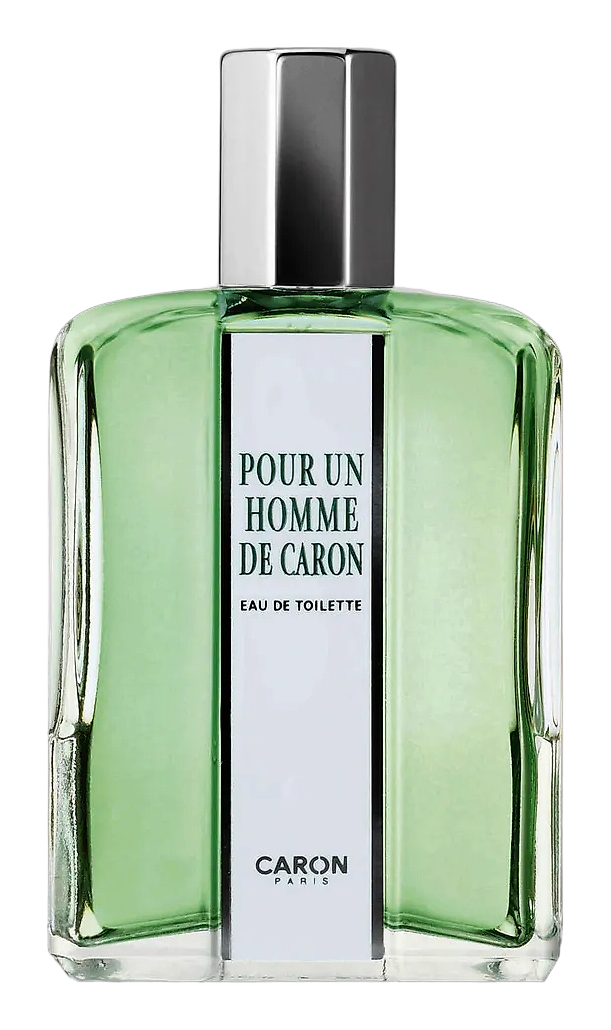

The Story
Why it exists.
The beginning
For Men arrived in 1981 as part of the Woods of Windsor range. The fragrance offers a woody-spicy structure with citrus brightness, built around five spice and citrus top notes, a sparse herbal heart, and two base materials that have anchored men's fragrance for centuries. The top notes open with an immediate brightness, the citrus cutting through while the spice elements add depth and warmth underneath. There's a clean, aromatic quality to the opening that feels both invigorating and grounded. As the citrus begins to settle, the spice becomes more apparent, weaving through the composition rather than announcing itself. The herbal heart that follows is restrained, never overwhelming, offering a green, slightly earthy quality that balances the brightness that came before.
The note structure is unusually disciplined. Clove carries the warmth, its aromatic spice softening into the composition rather than dominating it. Oakmoss provides the signature, that distinctive mossy, forest-floor quality that has defined classic men's fragrance for generations. The result is a composition that sits close to the skin, evolving slowly, revealing itself in layers rather than announcing them all at once. The interplay between the spice and the moss creates something that feels both familiar and refined, drawing on traditions that have stood the test of time.
The evolution
The opening hits bright and sharp simultaneously. Bergamot and orange lift the lemon, while clove and nutmeg add warmth from the first moment. There's a slight medicinal quality, the clove doing what clove does, that reads as clean rather than harsh. Within twenty minutes, the citrus recedes and the herbs take over, a green inflection that transforms the character from aromatic to earthy. The drydown belongs to oakmoss. Not the heavy, vintage-style moss that defined 1970s masculinity, but something leaner, the mossy, forest-floor quality that patchouli smooths into something wearable. This is where For Men earns its reputation, a composition that remains present without announcing itself, offering a quiet presence that endures throughout the day.
Cultural impact
For Men sits outside the loud-masculine trend that dominated 1981. This fragrance offered something quieter, a woody-spicy composition with restraint. The approach was different from what was fashionable at the time, favoring subtlety over projection, depth over volume. Those who encounter it often find themselves drawn to its understated character, a fragrance that speaks softly but says something worth hearing. The composition avoids the heavy-handedness of its era, choosing instead to build something that endures through quality rather than quantity of presence.