
The Story
Why it exists.
The beginning
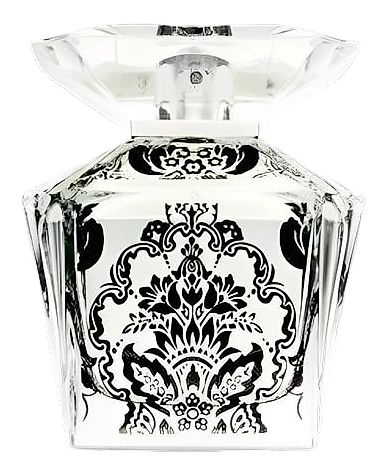
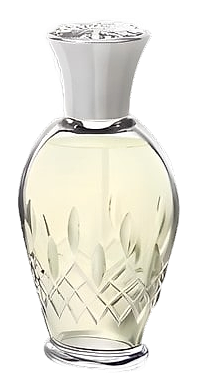
Waterford, the Irish crystal house founded in 1783, extended its heritage into fragrance in 2008. The Lismore scent was developed in partnership with perfumer Harry Frémont, drawing its name and visual identity from Waterford's signature Lismore crystal pattern, known for its intricate diamond and wedge cuts. The brief was to translate that visual clarity into something wearable: a fragrance that felt as refined and faceted as the crystal it lived beside.
What makes Lismore interesting is how it treats floral notes as cool rather than warm. The lotus keeps everything watery and calm. The freesia adds a green lift that reads more like morning than garden. And the rose is specifically a white rose, waxy, quiet, not the jammy red-rose shorthand you find in so many florals. The violet does something unusual: it shifts. Crisp in the opening, powdery in the drydown. Vanilla and patchouli ground the florals without ever going heavy, the composition stays feminine and light, but not lightweight.
The evolution
The opening is the clearest moment. Lotus and freesia arrive cool and dewy, with the rose barely asserting itself, a whisper rather than a statement. Within the first hour, jasmine sambac begins its slow creaminess, the violet shifts from crisp to powdery, and the composition settles into something quietly feminine. The drydown holds for another five or six hours, with patchouli and vanilla keeping things warm and close to the skin. It never fully disappears. You catch it again in the evening, that same soft floral presence, gentler now, like the memory of flowers.
Cultural impact
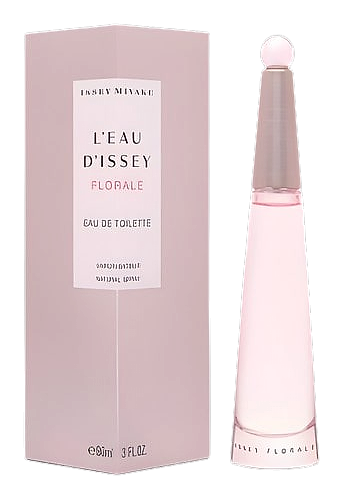
Lismore occupies a specific corner of the floral market: women who want softness without sweetness, and elegance without effort. Community reviews describe it as a fragrance that suits the Waterford brand, a bouquet of flowers in a crystal vase, literally and figuratively. It draws comparisons to Issey Miyake Florale, though Lismore reads as cooler and more powdery in its drydown. The reception has been consistently positive for its clean, feminine character, though some find it too gentle for those who prefer more presence.