The Story
Why it exists.
The beginning
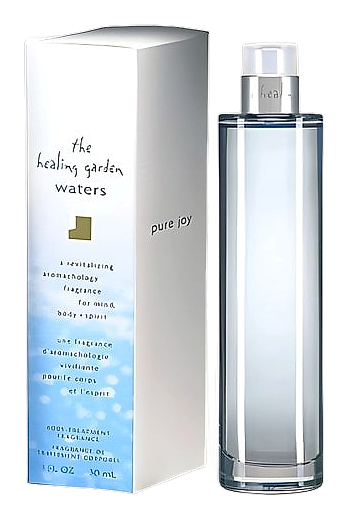
Pure Joy arrived in 2001 from The Healing Garden, a house built on the idea that fragrance can shift how you feel. The name is the concept, no abstract inspiration, no place or person to research. What the perfumer wanted was straightforward: a scent that felt like its name. Mandarin blossom for brightness, hyacinth for that green aliveness, ginger for the warmth that keeps everything grounded. Three materials doing exactly what they say. The challenge wasn't complexity. It was restraint, building something that lifted the mood without becoming a performance.
What makes the composition work is the hyacinth. White florals can tip into sweetness, into heaviness, into too much of a good thing. But hyacinth brings a green snap that keeps mandarin blossom from going soft and prevents the ginger from settling into simple warmth. It's the structural element, the thing that stops the florals from floating away. The rose accord in the main accords reads as background texture rather than a named note, it adds depth without announcing itself. This is a fragrance for someone who wants to feel good without making a statement about it.
The evolution
The mandarin blossom opens clean and direct. No buildup, no slow reveal, it's simply there, bright and citrus-forward. Within minutes the hyacinth joins, and that's when the scent shifts from citrus to something more botanical, more alive. The green quality cuts through the sweetness before it can accumulate. The ginger arrives quietly, settling into the base like a warm hand on a shoulder. By hour two, the florals have softened into something skin-close and familiar. The drydown is where Pure Joy proves its case: a clean, intimate warmth that doesn't project far but lingers longer than expected. Four to six hours on most skin, fading from noticeable to personal rather than disappearing entirely.
Cultural impact
Pure Joy occupies a specific space in the wellness fragrance landscape of the early 2000s, accessible, non-aggressive, designed for daily wear rather than special occasions. Wearers describe it as the kind of scent that becomes part of a routine, something reached for without deliberation. It's not trying to compete with statement florals or niche compositions. It occupies its territory quietly and consistently, appealing to those who approach fragrance as part of a larger self-care practice rather than a signature or an accessory.