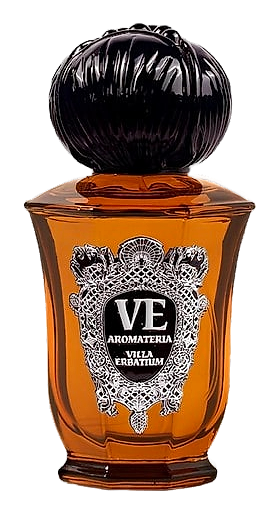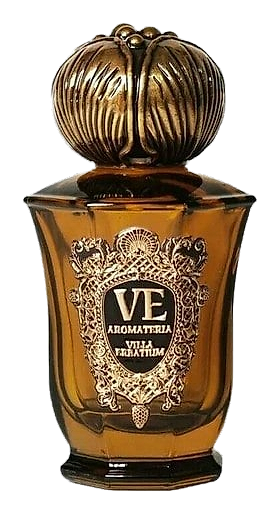
The Story
Why it exists.
The beginning
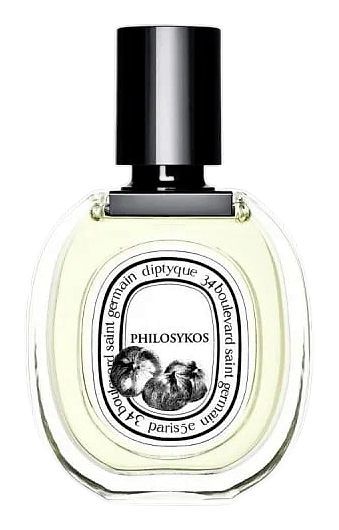
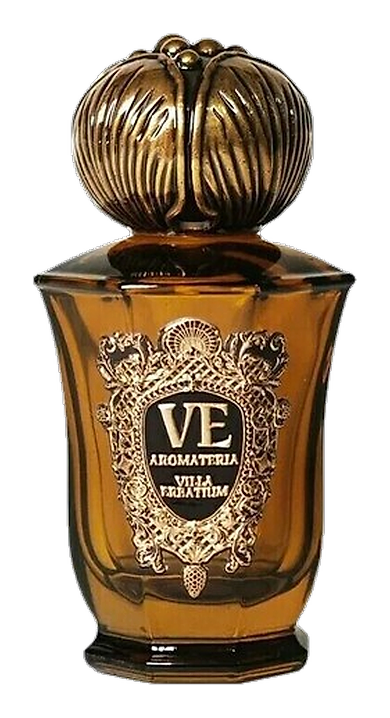
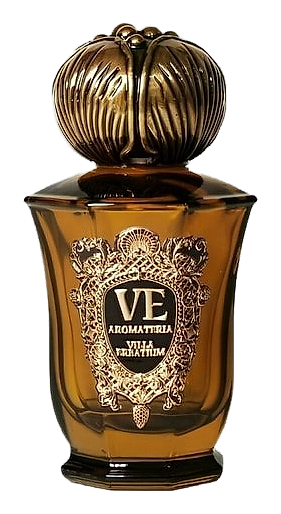
The question that started it: was the tree of knowledge in the Garden of Eden an apple, or a fig? Villa Erbatium chose the fig, the one with the prettier leaves, the more aromatic fruit. Eden Garden was built around that idea, the moment before the first bite, the citrus bright and untouched, the greenery dense and almost loud. The composition leans into the green-leaf side of fig interpretation, building the scent around the vegetation rather than the milky fruit flesh. Galbanum cuts through the leafy sweetness with that sharp, almost bitter green snap, while the fig leaf itself brings a creamy, vegetal softness, the smell of shade rather than sunlight. The intent is not a literal garden, but the weight of standing in one, the air thick and alive, before anything changes.
The fig leaf does something most green fragrances won't. It carries a lactonic, almost creamy warmth alongside its greenness, so the composition never tips into sharp or bitter. Pair that with galbanum, the note that smells like a stem snapped in half, and petitgrain, which adds that twiggy, slightly floral bitterness, and the heart becomes a study in green done with texture instead of just brightness. The base is where it shifts: amber and oud ground the top, and a blanket of resins holds everything together. Most fig fragrances lean either milky-sweet or purely green. This one splits the difference, then pulls in resinous warmth so the whole thing has a pulse.
The evolution
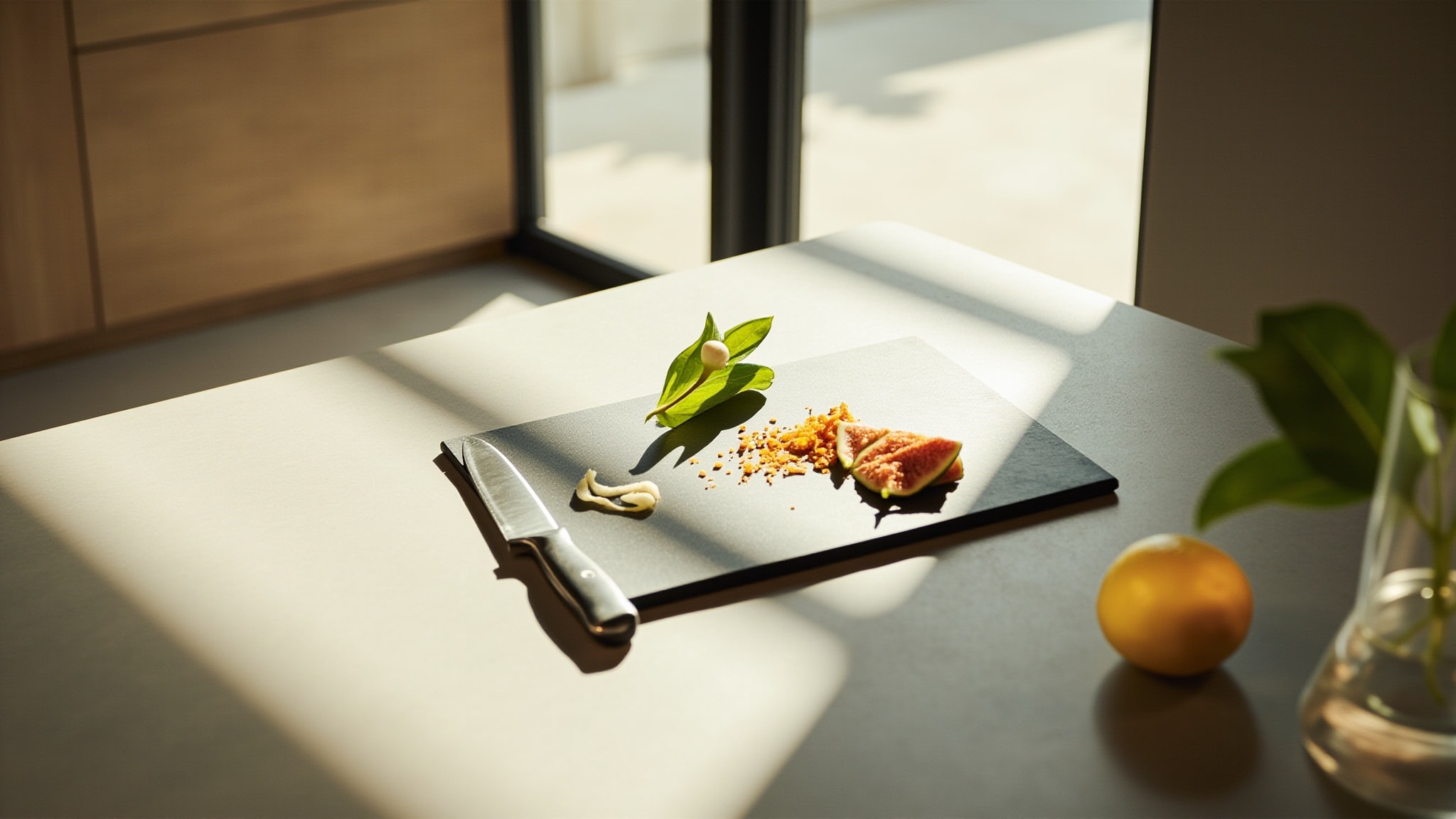
The opening belongs entirely to the citruses. Bitter orange, citron, Sicilian lemon, all hitting at once, bright, slightly bitter, almost like the smell of peeling zest over a cutting board. The sharpness has a quick arc, and once it settles, the green notes arrive in full, fig leaf taking the lead with that creamy, vegetal quality, galbanum cutting in with its sharp green bite, petitgrain adding a floral bitterness underneath. The composition breathes here, cool and alive, like the first few minutes in a garden after watering. As the wear progresses, the base takes over. Amber softens everything, oud adds depth without going animalic, and the resins warm up, giving the whole composition a low, sticky heat. The green doesn't disappear entirely; it just recedes, becoming a hum underneath the warmth.
Cultural impact
Eden Garden leans into the fig leaf interpretation with conviction, and the composition reads as a study in green rather than fruit. The bitter orange and citron opening carries that sharp, optimistic quality, bright enough to feel like actual sunlight rather than the candied citrus of mainstream flankers. The heart builds around fig leaf and galbanum, and the vegetal character dominates, giving the scent a garden-after-rain feeling that bypasses the usual milky-sweet fig route.