
The Story
Why it exists.
The beginning
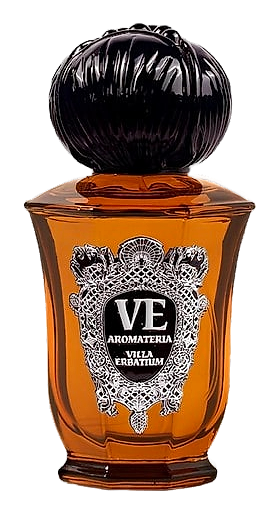
Villa Erbatium created Dracula in collaboration with South Korea's long-running musical of the same name, a gothic romance about immortal love and the seduction of the night. The brief was clear: translate the stage's emotional weight into something wearable. Not costume. Not metaphor. An actual scent that could carry the story off the stage and into the world.
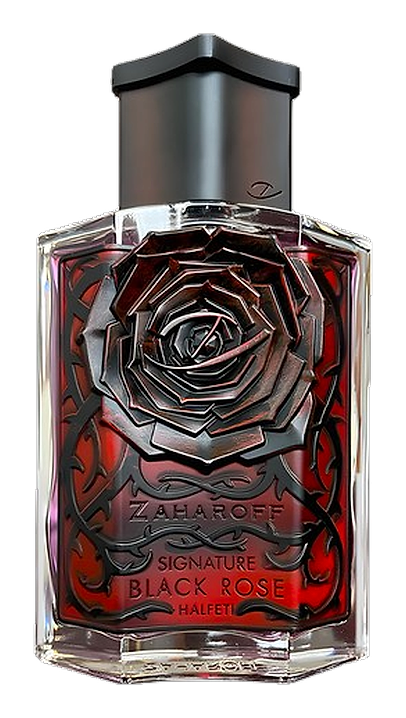
The black rose at Dracula's heart is what makes the composition distinctive. Unlike a fresh damask rose that reads feminine or airy, black rose carries a darker, more medicinal quality, the kind of rose that belongs in a gothic novel, not a garden. Villa Erbatium paired it with pink rock orchid, an unusual material that brings an exotic, slightly tropical character to the center of the fragrance. The coconut and vanilla in the base don't soften the rose, they reinterpret it, making darkness feel warm rather than cold.
The evolution
The opening hits with coconut cream and fig leaf, green, slightly lactonic, unexpectedly fresh for a fragrance named after a vampire. Within twenty minutes the black rose arrives and takes over, displacing the coconut with something darker and more deliberate. The leather starts to surface around the one-hour mark, grounding the sweetness that came before. By the second hour, the drydown belongs to tobacco and vanilla, sweet, warm, slightly smoky without ever leaning into ash. The rose doesn't disappear. It fades into the background like a memory of itself. Lasts into the evening, close to the skin, intimate rather than announced.
Cultural impact
Dracula exists at the intersection of gothic literature and Korean indie fragrance culture, a niche within a niche. The collaboration with the musical anchors it in a specific cultural moment: the South Korean stage scene, which has developed a devoted following for dark romantic narratives. The fragrance speaks to a collector who wants to wear their taste rather than announce it. It's not trying to compete with mainstream niche, it's designed for someone who found Villa Erbatium through shared discovery rather than algorithmic recommendation. The Mystery Noir collection frames it as an artistic exploration, not a commercial product.