The Story
Why it exists.
The beginning
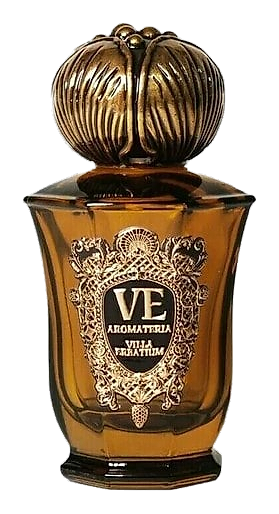
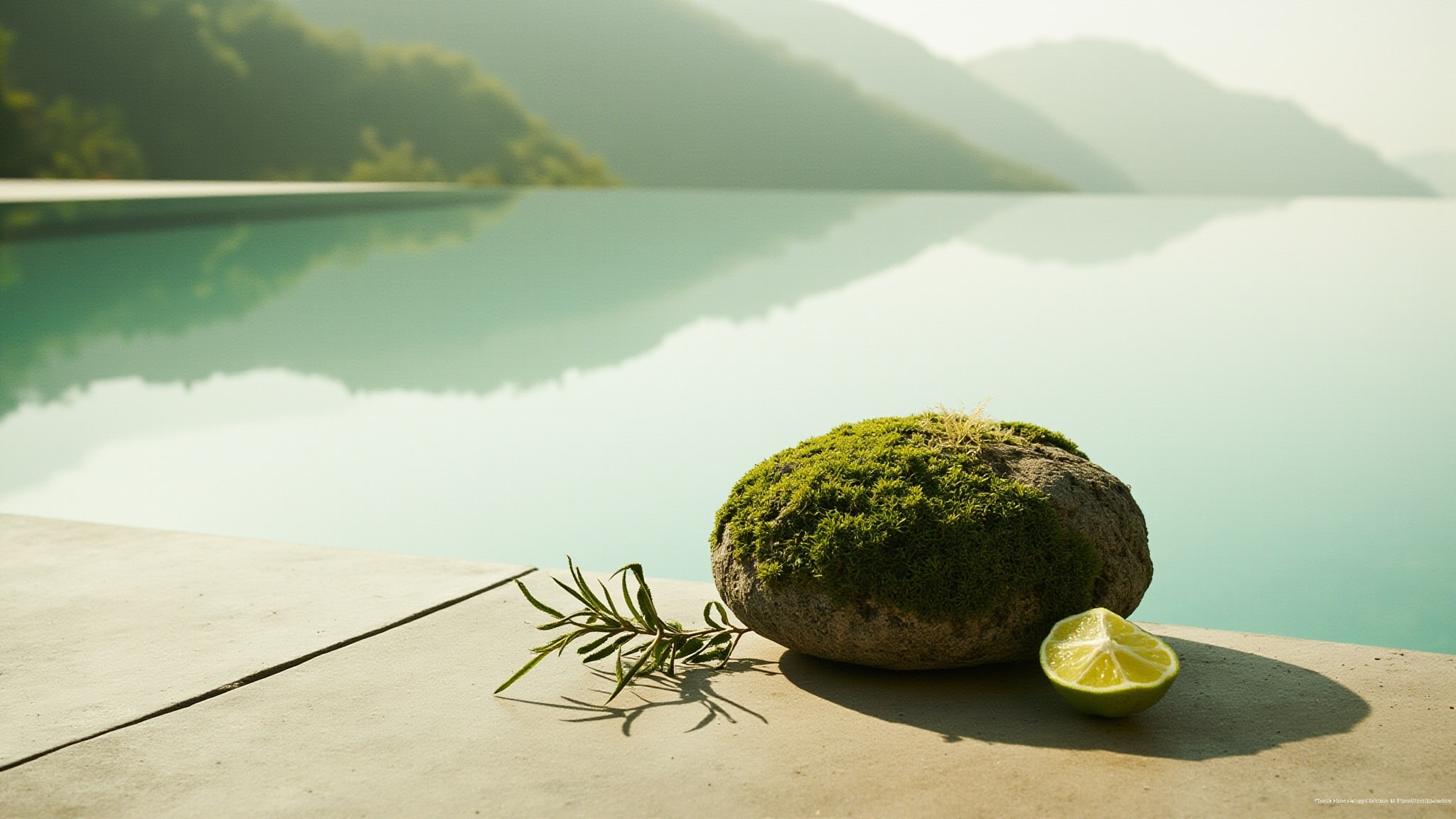
The brief was deceptively simple: capture the memory of private moments spent at an infinity outdoor pool, surrounded by a lush forest, and the scent that lingers in that time. Villa Erbatium's Korean laboratory approached it not as a brief but as a sensory problem, what does still water smell like when it's been sitting in forest air? Not aquatic, exactly. Not green in the usual way. Something more specific. The answer arrived in a combination that reads almost like a cocktail: Mojito accord for the bright, almost effervescent top, mugwort for the bitter herbal depth of actual plants growing beside water, and moss to ground the whole thing into something that actually lingers on skin long after you've left the poolside.
What makes this work is the restraint. The mint-and-lime accord carries actual sharpness, almost the smell of cutting board residue rather than a syrup. Mugwort brings a bitter, aromatic quality that reads as clean without smelling like soap, its medicinal edge giving it an unexpected depth. Paired with petitgrain and sage, the heart becomes an herbal workshop rather than a singular note, each element informing the others in a quiet conversation. The base does what the best bases do: it waits.
The evolution
The first moments belong to the citrus. Crushed lime and mint arrive with an almost alcoholic crispness that reads as cold rather than harsh, the kind of sharpness that evokes wet stone or cold metal. This is the poolside moment, the smell of a drink someone just set down on a warm surface. As the citrus begins to recede, the herbal heart takes over. The mugwort arrives first, green and bitter and oddly comforting, like walking into a greenhouse rather than a forest. There is something medicinal about it, but also something nurturing, the scent of actual plants rather than green-scented marketing. Sage follows, softer, rounding the edges and adding a muted earthiness that prevents the composition from becoming too austere. Petitgrain threads through, adding a subtle complexity that keeps the herbal notes from feeling too austere.
Cultural impact
Rain Forest occupies an interesting space in the Korean indie fragrance landscape. It captures a specific emotional state: stillness, privacy, the moment between activity and rest rather than catering to a particular demographic or occasion. The fragrance seems designed for someone who wants scent to serve as background rather than foreground, present but not demanding. The choice of mugwort suggests a willingness to work with materials that might challenge conventional expectations, reaching for complexity over easy appeal.