The Story
Why it exists.
The beginning
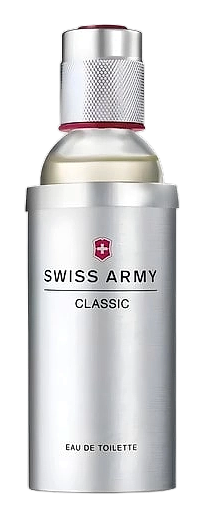
Harry Fremont designed Swiss Army Altitude in 2001, and Victorinox had spent decades building precision tools for the Swiss Army before extending into fragrance. The composition draws on Alpine imagery, cedar, pine, galbanum, without falling into tired mountain tropes. Fremont approached the brief with the same clarity the brand applies to knife-making: if a note doesn't serve a purpose, it's not in the formula. The fragrance embodies a philosophy of purposeful restraint, creating scents that work without demanding attention. It's about the feeling of high altitude, not a postcard of it.
What makes Swiss Army Altitude interesting isn't a single standout material, it's the structural integrity of the whole. Cedar leaf and galbanum form an aromatic green accord. Clary sage adds an herbal dimension that deepens the green without softening it. Marigold in the heart provides a muted floral quality that most aromatic masculine fragrances skip entirely. At the base, Swiss pine and musk create a drydown that feels both grounded and personal. The pine keeps things sharp and resinous; the musk adds warmth without sweetness.
The evolution
Swiss Army Altitude opens bright. The lemon hits immediately, sharp, clean, citrus-forward. Within fifteen minutes, cedar leaf arrives and the lemon begins to recede, replaced by the green aromatic heart. Galbanum and clary sage carry the next hour, with marigold adding a subtle floral undertone that prevents the whole thing from feeling too masculine. By hour two, the fragrance has settled. Pine and musk take over, but they don't compete, they cohabitate. The pine stays slightly sharp, the musk stays close to the skin, and the overall effect is quiet rather than projected. On fabric, the cedar and pine linger faintly into the next morning, a ghost of the original, not an announcement.
Cultural impact
Swiss Army Altitude represents a functional aromatic interpretation by Victorinox. The fragrance features a green aromatic backbone where cedar leaf and galbanum form a foundation that reads as clean and purposeful rather than generic. The Swiss pine note provides enough distinctiveness to separate it from comparable mass-market aromatics, while the musk in the drydown keeps it from feeling harsh. It's a fragrance that rewards consistent wear rather than making an impression on first spray.
The House
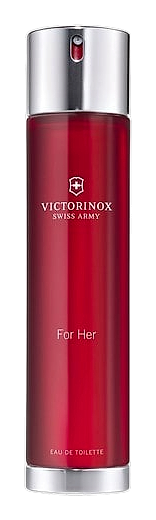
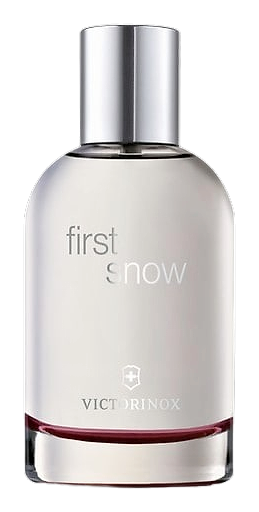
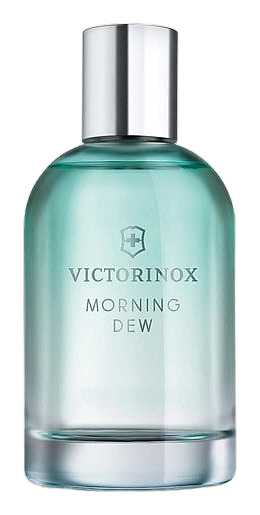
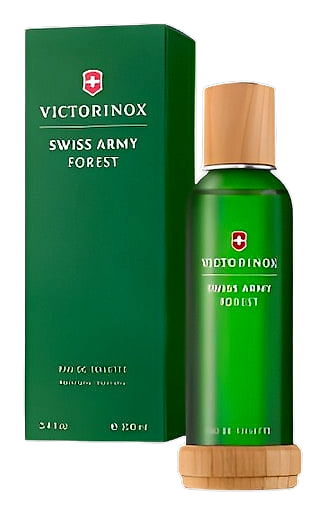
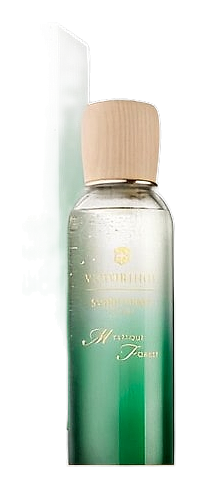
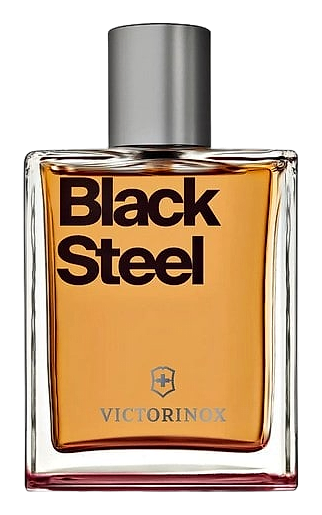
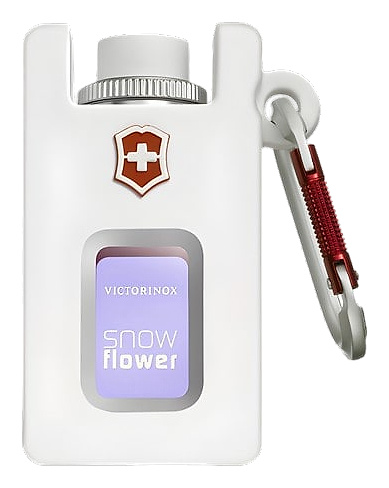
Victorinox Swiss ArmyVictorinox Swiss Army extends the legacy of the renowned Swiss knife maker into the world of fragrance. Based in Ibach, Switzerland, the company creates scents inspired by Alpine landscapes, clean mountain air, and the functional clarity that defines the Victorinox brand. The fragrance line launched in 1997, building on over a century of craftsmanship expertise from the company that originally invented the Swiss Army Knife. Fragrances like Swiss Army for Men, Black Steel, First Snow, and Morning Dew reflect the brand's approach to perfumery: straightforward, honest compositions that evoke crisp mountain mornings and open-air clarity. The company collaborated with perfumers including Daphné Bugey and Coralie Spicher, creating scents that range from fresh and aquatic to warm and woody, all carrying the practical elegance associated with the Victorinox name.
The Creator
Harry FremontFrémont's style resists easy categorization. He works fluently across woody, floral, amber, and leather territories, with an especially strong command of vetiver and musks that has become something of a signature.