The Story
Why it exists.
The beginning
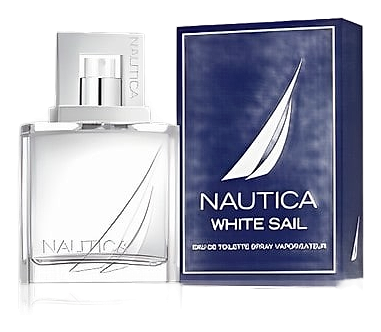
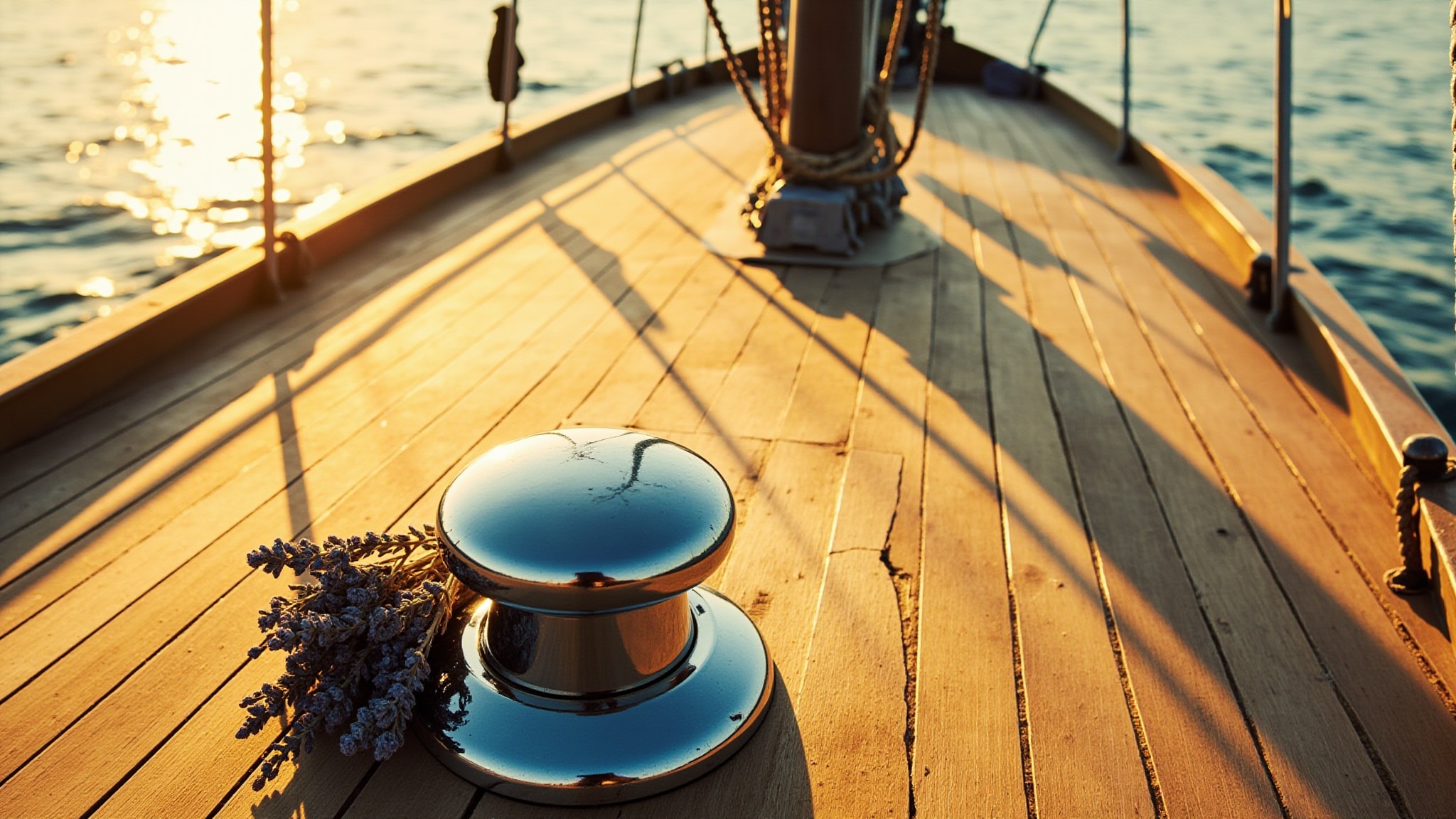
White Sail arrived in 1997 as Nautica's answer to a specific moment in fragrance culture, when the aquatic trend was cresting and every brand wanted a slice of it. Nautica had been in the scent game since 1992, and by the mid-nineties they understood something their competitors were still figuring out: freshness doesn't have to be disposable. The brief was simple on paper, capture the feeling of being on the water without drowning in synthetic marine notes. What emerged was a woody aromatic with enough structure to outlast the decade it launched in. The white sail isn't a metaphor for purity or innocence. It's a sail that catches morning wind and goes somewhere. That energy, purposeful, unhurried, free, is exactly what the composition needed.
What makes White Sail stand apart from the 1997 aquatic herd is the bamboo and teakwood pairing in the heart and base. Bamboo gives a green, slightly metallic quality that reads as wet wood rather than dry paper, closer to a freshly hosed deck than a cedar closet. Teakwood reinforces that maritime material memory while vetiver adds an earthy, mineral undertone that keeps everything honest. The African orange flower in the heart is the softener, a white floral that prevents the composition from going too sharp or masculine. It adds breath to the structure, the way a sail billows without tearing. Together these materials create a freshness that's textured rather than flat, woody rather than soapy.
The evolution
The opening hits sharp, pink pepper and petitgrain arrive together with juniper's evergreen bite. It's aromatic in the classic sense: herbal, slightly prickly, no apology. Lavender sits underneath, tempering the sharpness with something familiar. That opening lasts clean for the first twenty minutes, no harsh alcohol spike, just brightness. Then the bamboo introduces itself. That's the tell. It's green and slightly sweet, like crushed stems, and it signals the hand-off from top to heart. The African orange flower blooms briefly, a whisper of something floral that most people miss entirely because the green is louder. By hour two, the composition has settled into its base. Teakwood dominates. Vetiver keeps it honest, earthy, mineral. Amber softens the landing. The drydown on skin is intimate, close, lasting another four to six hours depending on the surface. On fabric, it ghosts until the next wash. That's the trade: quiet longevity for loud projection. Moderate sillage means it stays yours, which is the point.
Cultural impact
White Sail exists in an interesting pocket of fragrance history, launched in 1997, just before the aquatic boom peaked and the backlash began. It predates Voyage by five years and carries a different energy: less synthetic splash, more natural material ambition. The teakwood-and-bamboo combination was unusual for its era, and the composition holds up against fragrances released a decade later. Wearers describe it as the scent of someone who doesn't need to try, present but not performative, fresh without screaming about it. It's been discontinued, which means the people who found it tend to hold onto it.