The Story
Why it exists.
The beginning
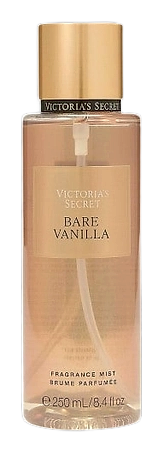
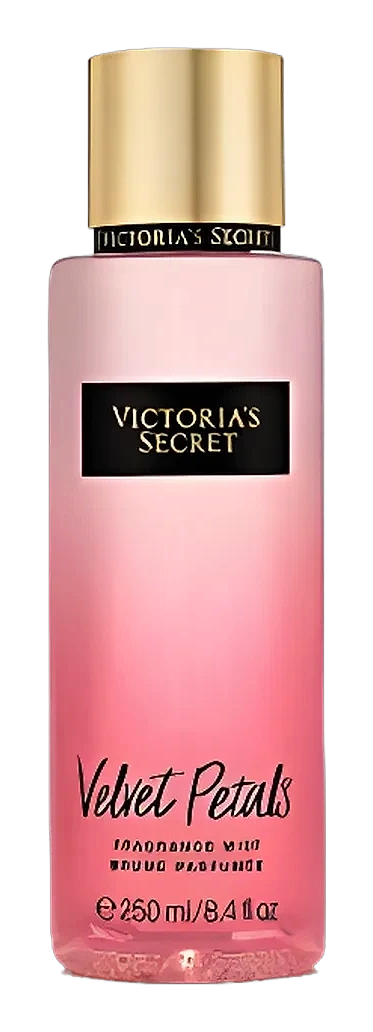
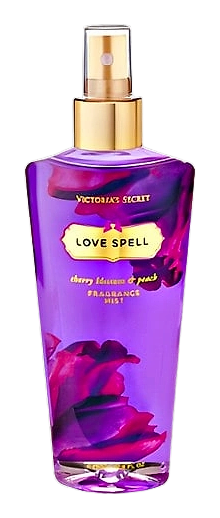
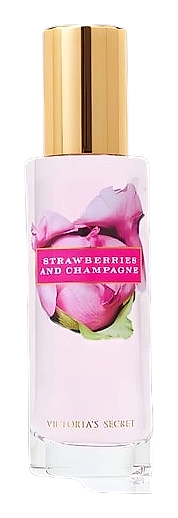
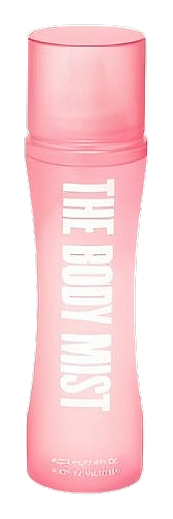
Launched in 2002, The Body Mist arrived as a softer companion to Victoria's Secret's expanding fragrance lineup. The format itself was a deliberate pivot: this one was made for the body, a fine-mist spray meant to be applied generously across skin and clothing rather than dabbed at the pulse points like a traditional eau de parfum. The bottle is tall, slender, and built for casual handling on a vanity or bathroom shelf, the kind of object that invites a few sprays before leaving the house and a few more after. The composition reads as a floral-green blend that traded density for diffusion, something light enough to reapply without overdoing it, pretty enough to feel like a small daily treat, and accessible enough to collect several at once. Not a signature scent. A wardrobe.
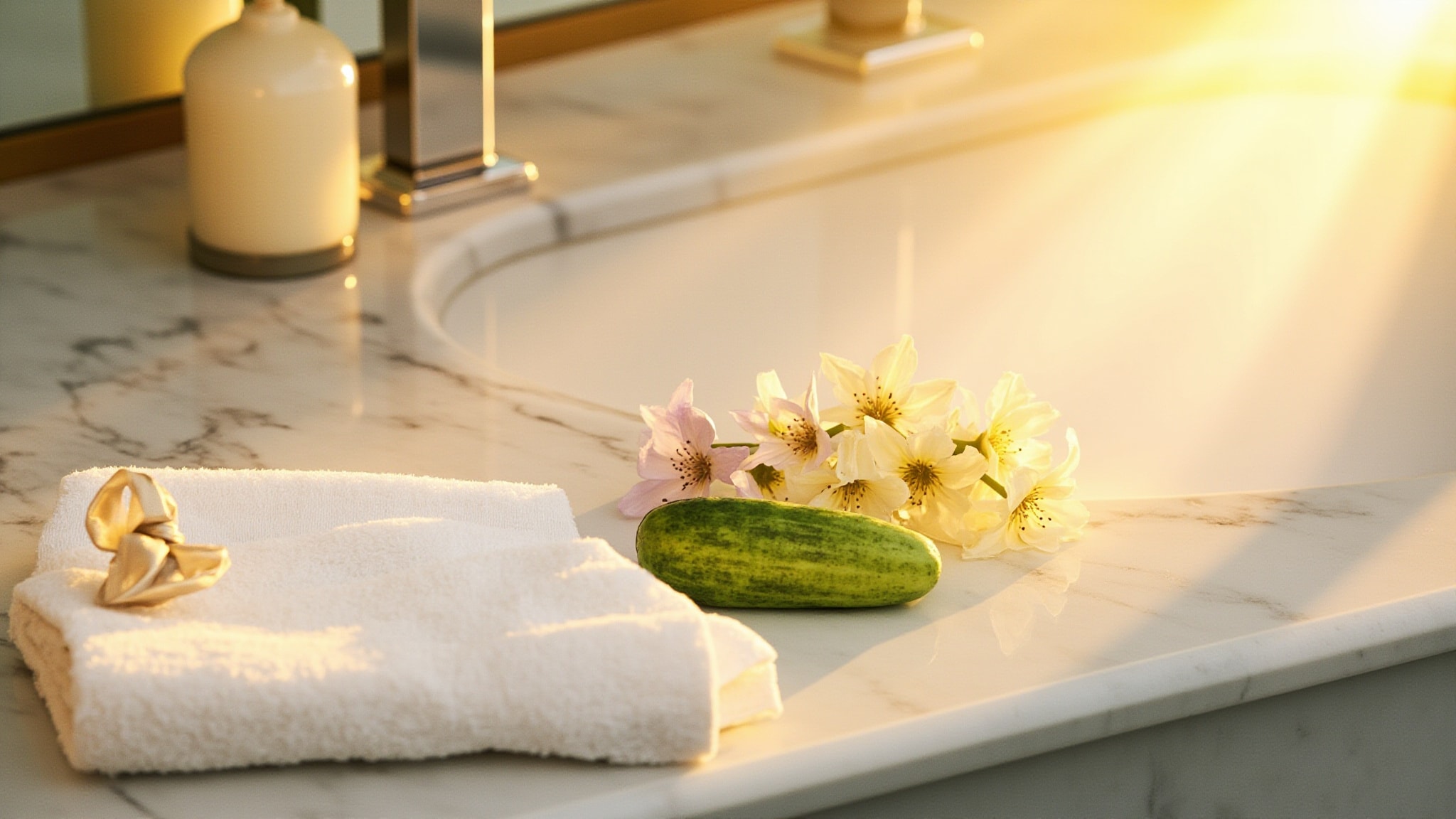
The interesting choice here is the cucumber alongside the freesia and mimosa up top, then the cucumber again anchored with hyacinth and lily in the heart. That's unusual. Most florals of this register go rose or peony-forward, then white-musk clean. This one, put green at the center and never quite left it. The cucumber does what cucumber does in fine fragrance: adds a mineral cool that reads as skin, as water, as just-showered. Vasnier leaned into that. Sandalwood and white musk underneath don't compete. They let the green stay green until the last hour.
The evolution
The opening is bright and immediate. Mandarin and freesia hit before the mist even settles into fabric, and there's a sweetness from mimosa that reads almost like powdered sugar dissolving in cold water. Light, quick, and easy to miss if you don't pay attention. The first stretch of wear is the green phase, where the scent becomes something quieter and more interesting. The cucumber and hyacinth take over, and the lily opens up alongside peony in a way that makes the whole thing feel like damp petals on a windowsill. Not soapy. Not aquatic. Just cool. As the composition settles, the sandalwood surfaces gradually. It doesn't announce itself. It rounds everything out, warms the edges, and lets the white musk do its soft, close-to-skin work. The drydown is the longest part of this ride. Late into wear, what clings to a scarf is a clean, slightly woody whisper.
Cultural impact
When The Body Mist arrived in 2002, it became part of a broader shift in how American consumers approached fragrance. The body mist format itself, lighter, more affordable, and designed for frequent reapplication, gained significant traction in the early 2000s beauty market. Victoria's Secret, already a dominant presence in mall-based beauty retail, helped popularize the category alongside other major retailers and brands that recognized the appeal of casual, scent-as-accessory products.
The House
Victoria's SecretVictoria's Secret began as a San Francisco lingerie company founded in 1977 by Stanford graduate student Roy Raymond and his wife Gaye. The brand entered fragrance in 1989, launching its first perfume Victoria as part of a national magazine campaign. By the early 1990s, the company had grown to 350 stores nationwide with estimated sales of $1 billion. The beauty division grew substantially enough to generate nearly $1 billion in sales by 2006. Victoria's Secret fragrances are developed through Givaudan's Paris laboratory, the same fragrance house behind perfumes for Tom Ford, Prada, and Louis Vuitton. The brand works with a rotating roster of over 30 perfumers rather than a single in-house nose, creating scents for its Dream Angels, Very Sexy, Body, and Pink collections. Popular fragrances include Bombshell, Love Spell, Tease, and Heavenly, which ranked as the top-selling fragrance in the United States by both revenue and volume from 2005 to 2010. Victoria's Secret has won 20 Fragrance Foundation awards since 2001. The company offers fragrances alongside perfumed body care products including body mists, body lotions, and eau de parfum in various formats.
The Creator
Yann VasnierVasnier demonstrates notable versatility across gender and genre, yet his men's work carries particular distinction—often layering richness with unexpected precision. He favors compositions where restraint serves impact, as demonstrated in the twelve-ingredient structure he fo…