
The Story
Why it exists.
The beginning
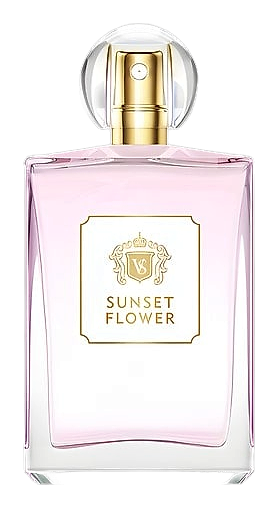
Sunset Flower landed in Victoria's Secret's Spring 2013 lineup. The fragrance takes a stripped-down approach to floral composition, built around a central green floral and a warm amber. Rather than layering the lily of the valley beneath a supporting bouquet of jasmine, rose, and traditional greenery, the composition lets the single floral note carry on its own. The result reads cleaner and more mineral than nature usually allows, a quiet argument for what restraint can do. The amber underneath acts as a soft structural foundation, holding the composition together without competing for attention. Two notes, almost no supporting cast, and a confidence in simplicity that feels deliberate rather than accidental.
Lily of the valley is one of perfumery's trickier materials. Because the real flower resists extraction, what reaches your skin is a reconstructed accord, a careful approximation built from aroma chemicals. In Sunset Flower, that reconstruction is given room to breathe on its own, which means the floral reads cooler and greener than the living plant typically smells. Pairing that with white amber, a softer, more lactonic interpretation of the resin family, gives the whole composition a floating quality. The amber is structural without being loud.
The evolution
The first ten minutes belong to the green. Lily of the valley opens with that cool, almost cucumber-edged sharpness, like stems snapped in a garden before anyone else is awake. It's clean, dewy, and slightly sharp, the kind of floral that earns a second sniff before you've decided how you feel about it. By the thirty-minute mark, the white amber surfaces. It doesn't announce itself. It just warms the edges of the green, round where the lily was linear. The sharp sweetness softens. Somewhere around the two-hour mark, the two notes stop competing and start agreeing. The green goes warm. The amber goes soft. What you get is a drydown that smells like skin that's been sitting in late-afternoon sun, close and warm but not heavy. The composition holds that easy plateau for four to six hours before the amber thins to almost nothing, leaving a ghost of lily that lingers on fabric into the next morning.
Cultural impact
Sunset Flower stands apart within Victoria's Secret's Spring 2013 releases for its restraint. At a time when many fragrances leaned into sweetness, fruit, or layered gourmand elements, this one kept to a two-note composition and trusted the floral to do the talking. The lily of the valley reads cool and green, almost mineral, while the amber underneath adds just enough warmth to keep the whole thing from feeling austere. It's a fragrance that does less than its peers and earns a second look for it.
The House
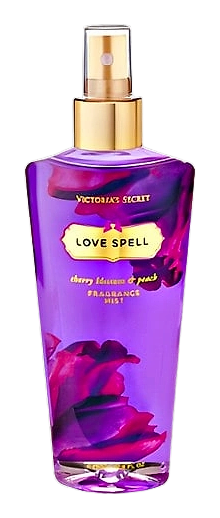
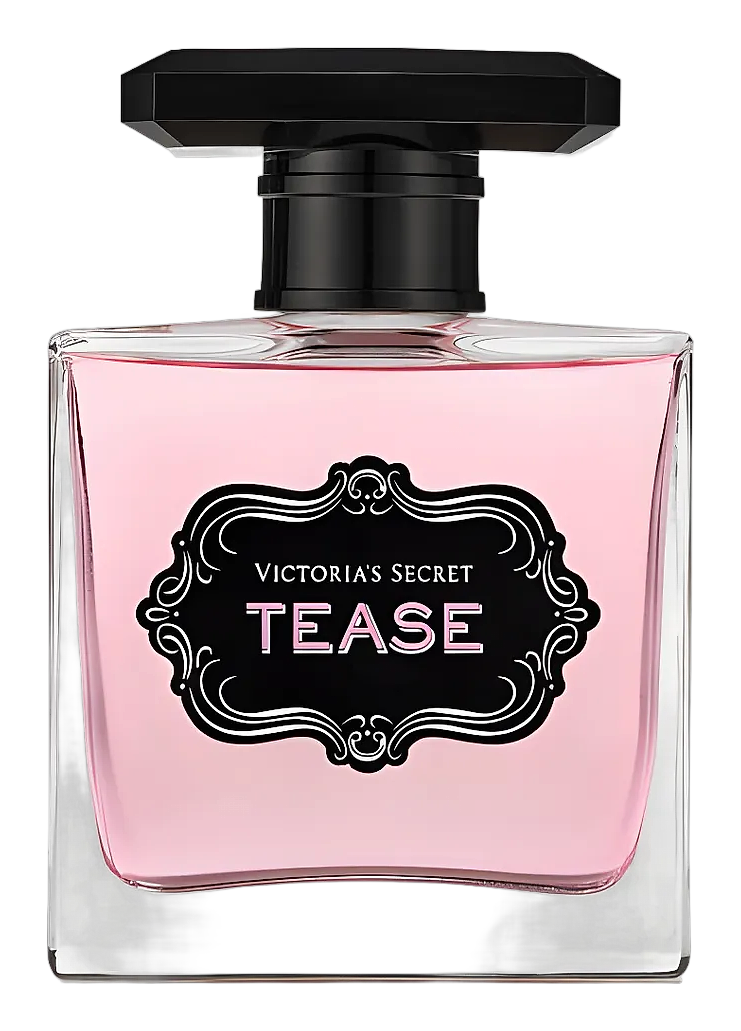
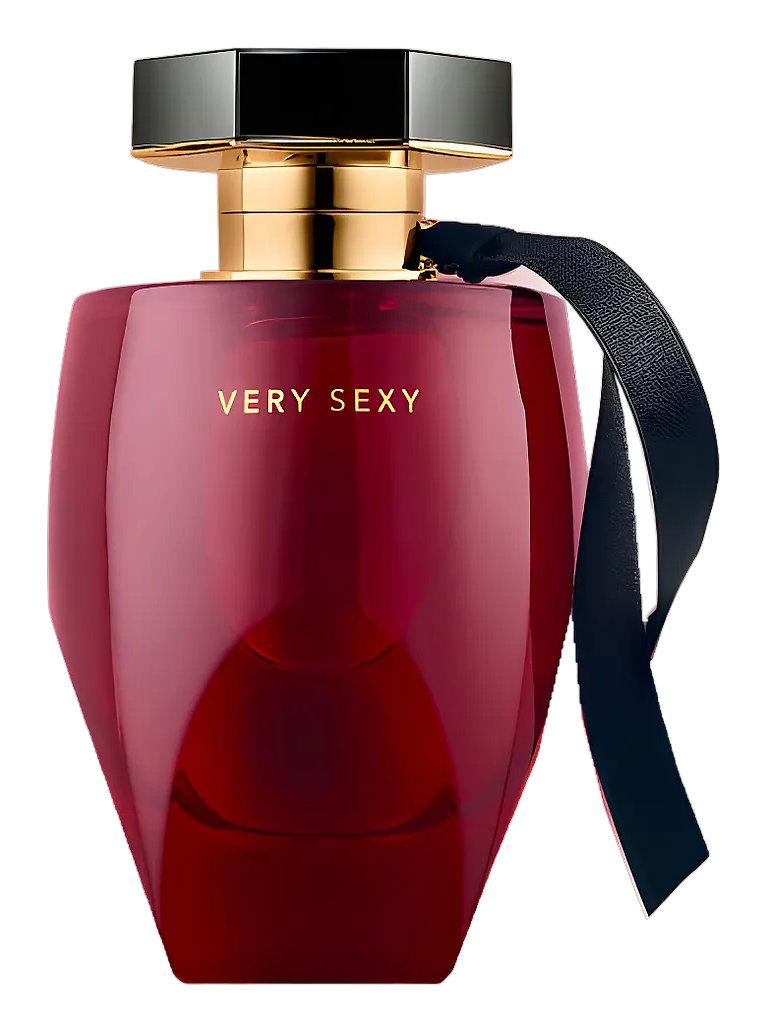
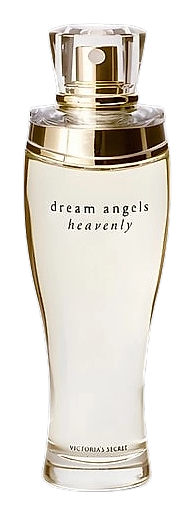
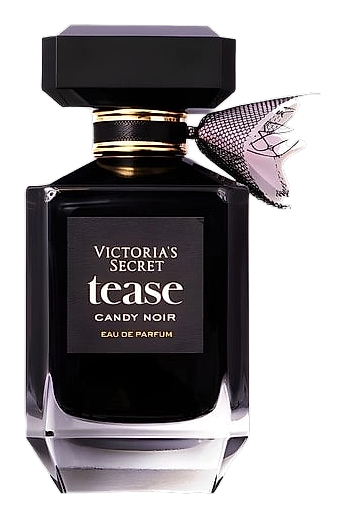
Victoria's SecretVictoria's Secret began as a San Francisco lingerie company founded in 1977 by Stanford graduate student Roy Raymond and his wife Gaye. The brand entered fragrance in 1989, launching its first perfume Victoria as part of a national magazine campaign. By the early 1990s, the company had grown to 350 stores nationwide with estimated sales of $1 billion. The beauty division grew substantially enough to generate nearly $1 billion in sales by 2006. Victoria's Secret fragrances are developed through Givaudan's Paris laboratory, the same fragrance house behind perfumes for Tom Ford, Prada, and Louis Vuitton. The brand works with a rotating roster of over 30 perfumers rather than a single in-house nose, creating scents for its Dream Angels, Very Sexy, Body, and Pink collections. Popular fragrances include Bombshell, Love Spell, Tease, and Heavenly, which ranked as the top-selling fragrance in the United States by both revenue and volume from 2005 to 2010. Victoria's Secret has won 20 Fragrance Foundation awards since 2001. The company offers fragrances alongside perfumed body care products including body mists, body lotions, and eau de parfum in various formats.
The Creator
Christine NagelNagel occupies a distinctive space in contemporary perfumery, favoring sensual, textured compositions over the clean minimalism that dominated for decades. Her fragrances often feature unexpected contrasts: mineral and floral, salty and sweet, cool and warm.