
The Story
Why it exists.
The beginning
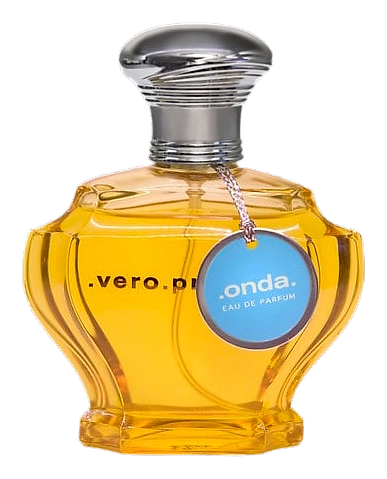
In 2007, Vero Kern launched her Zurich house with three extrait de parfums. By 2010, she introduced the Onda Eau de Parfum, not a diluted version of the original, but a reimagining. The structure shifted. Cedar replaced sandalwood in the base. And in a decision that still sparks conversation, Kern pulled the animalic notes entirely. Replaced them with passionfruit. The choice was deliberate: she wanted eroticism without weight, sensuality without shadow. The Italian word for wave felt right. Onda arrives the way a wave does, sudden, impossible to ignore, already moving before you can step away.
Passionfruit is an unusual bridge material. It carries sweetness, yes, but also something fermented, almost floral-rot. In perfumery, it's the kind of note people either lean into or recoil from. Kern saw what others missed: that same quality is sensuality itself, sweet and slightly unsettling, the thing you want even when you can't explain why. By pairing it with vetiver's mineral depth and honey's animal warmth, she created a fragrance that holds its contradictions without resolving them. That's the trick. Most perfumes choose a side. Onda refuses.
The evolution
The opening hits fast, citrus brightness, passionfruit's tart tropical edge, ginger's clean heat. For the first thirty minutes, it's almost shocking in its clarity. Then the honey arrives. Not the edible, gourmand honey of a comfort scent, but something deeper, waxy, slightly animal. Ylang-ylang rounds it into something floral without becoming pretty. This is where Onda earns its reputation: that transition from bright to warm feels like a switch being flipped. By hour three, vetiver takes over completely. The base notes, vetiver, patchouli, cedar, musk, merge into a single signature that reads as salt on warm skin. On dry skin, this phase lasts. Ten-plus hours, verified by the community. The next morning, there's still something there. Faint. Animal. The kind of trace that makes you wonder who was wearing it.
Cultural impact
Onda became a reference point for passionfruit in perfumery, proof that tropical sweetness could carry erotic weight without leaning on animalic notes. It found its people: wearers who recognized what it was doing and kept coming back. The house was eventually discontinued, which only sharpened the fragrance's cult status.