The Story
Why it exists.
The beginning
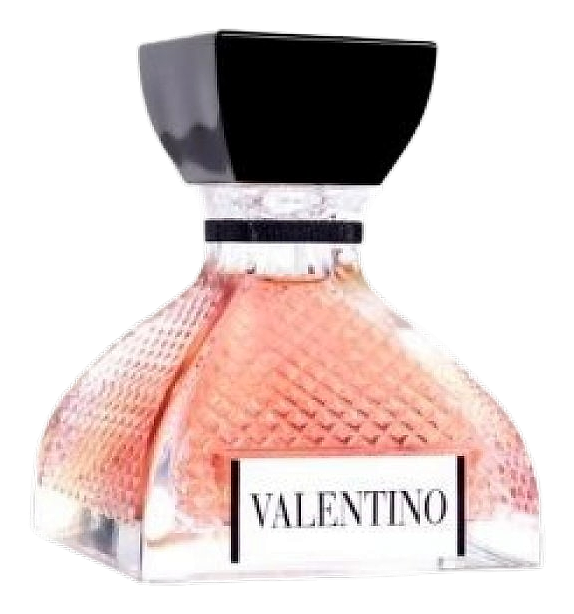
Valentino Eau de Parfum arrived in 2009, and it sits at a particular intersection within the house's fragrance portfolio. The composition is a floral-fruity statement, one that trades on a softer register than the heavier, more dramatic flank of the Valentino line. Where some scents in this category push toward dense, smoky territory or lean into the resinous weight of classic orientals, this one opens brighter, more lifted, a composition that reads as breath-of-fresh-air rather than statement-making. There's a gentleness to the way it composes itself on skin, a quality that makes it feel like a deliberate counterweight within a larger wardrobe of fragrances.
What separates this from a dozen other bright florals of its era is the pairing of orange blossom with mimosa and violet leaf, a trio that reads almost edible in its softness. Mimosa brings a yellow, honeyed sweetness that feels distinctly its own, while violet leaf contributes a green, watery coolness that keeps the whole accord from drifting into pure confection. Orange blossom sits at the center, lifting the composition with its sun-warmed, slightly indolic glow, and the three notes braid together in a way that feels both lush and airy.
The evolution
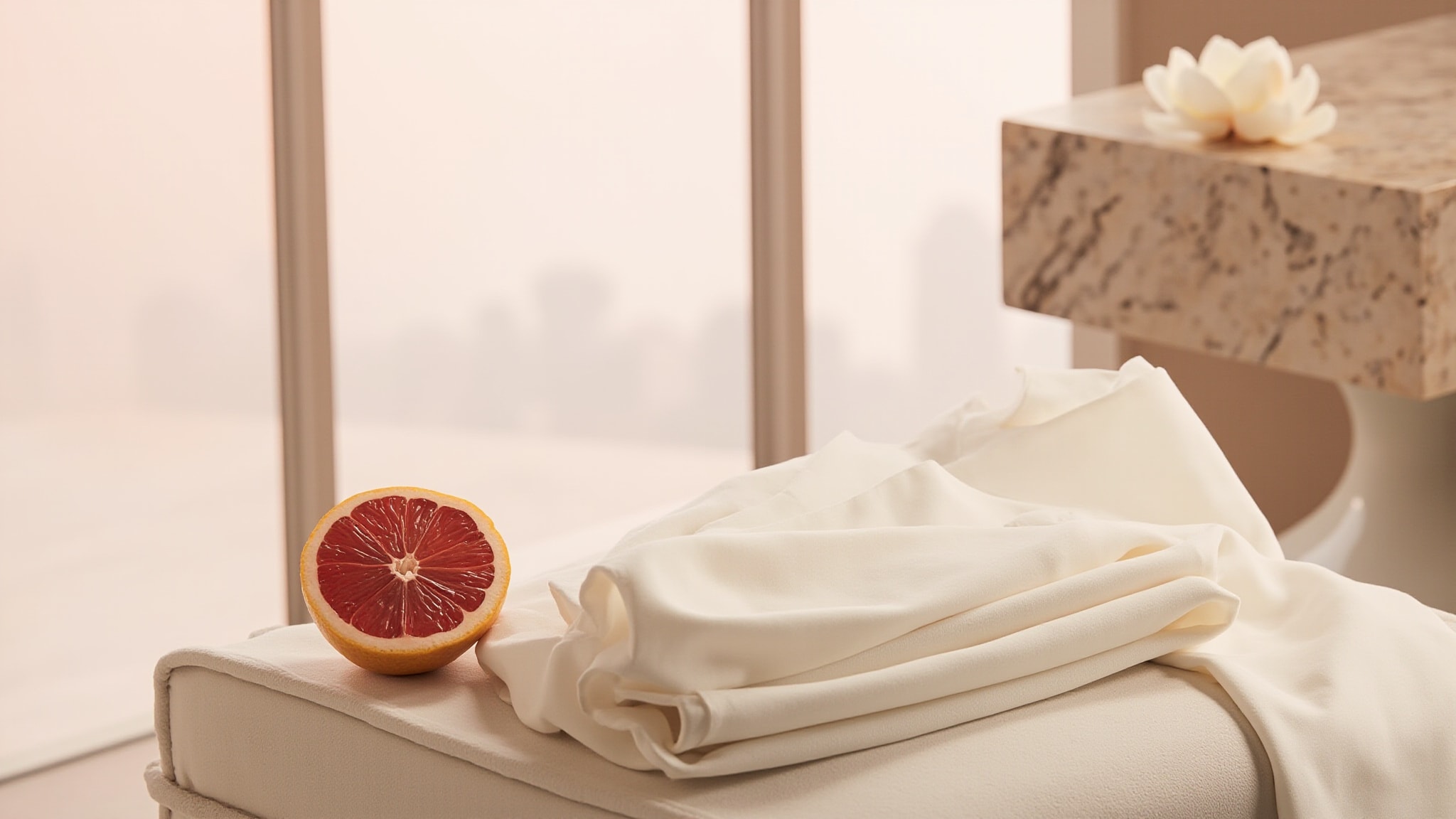
The opening belongs to grapefruit, cold and sharp, with magnolia's creamy sweetness already pressing in from underneath. The citrus announces itself quickly, bright and almost bracing, before it begins to soften into something gentler, more like the memory of biting into a ripe grapefruit than the act itself. Orange blossom takes the lead as the composition settles, indolic and warm, mixing with mimosa's honey-yellow fuzz to create a heart that feels both sunny and slightly narcotic. Violet leaf arrives in the background, a green thread that keeps everything from getting too sweet, adding a coolness that anchors the florals. As the scent wears on, the powder notes begin their slow takeover. Heliotrope, which carries an almond-like, sun-warmed quality, settles into the heart, and the orchid lends a waxy, almost creamy depth that smooths the transitions between layers.
Cultural impact
This scent appeals to wearers who understand that presence doesn't always mean projection, a quality that sets it apart in a fragrance landscape often dominated by louder compositions. Worn close rather than wide, it offers something quieter, more textured, an accord that rewards attention without demanding it. The unusual rice-anchored powder drydown gives the fragrance a distinctive finish, one that lingers on the skin rather than filling a room, and that intimacy has earned it a place among those who value restraint as a form of style. It's a composition that knows exactly what it wants to be, and it never tries to be anything else.