
The Story
Why it exists.
The beginning
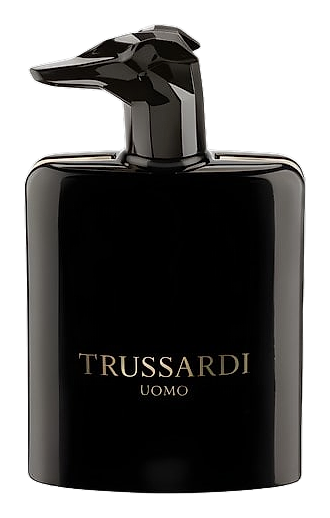
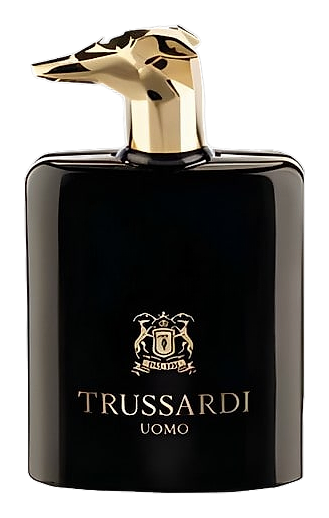
By 1995, the men's fragrance market was crowded with declarations. Trussardi wanted something different. The Milanese house had spent decades building a reputation for restraint, leather goods made without excess, crafted for the person who understood quality over volume. Aurélien Guichard, early in his career, was tasked with translating that philosophy into scent. No easy brief. The result was L'Uomo: a fragrance that asked for patience. Clean at the opening, structured through the heart, warm at the close. Not a statement. A signature.
The unexpected note is tomato leaf. It arrives early, green and slightly metallic, before the more familiar aromatic herbs take over. It's the kind of detail that separates a forgettable fragrance from one people talk about decades later. Beneath it, cedar and geranium create a heart that reads as refined rather than soft, masculine in the way good tailoring is masculine, not in the way shouting is. The base layers tobacco over sandalwood, with Okoumal providing a smooth, slightly mineral lift that extends the wear without adding weight. This is what Italian masculine scent can do when it isn't trying to dominate a room.
The evolution
The scent opens clean. Bergamot and mandarin arrive bright and crisp, citrus oils that could be from a Sicilian grove or a Milanese morning, both readings work. Ten minutes in, the herbal character emerges: lavender and that peculiar tomato leaf note creating a green, slightly bitter edge that most compositions of the era simply didn't have. Twenty minutes in, the heart arrives, geranium and cedar taking over, adding structure and a faint floral warmth that keeps the composition from going austere. By the third hour, the drydown is in full effect. Tobacco and sandalwood blend into something soft and warm, the vanilla and Okoumal providing a creamy smoothness that extends the wear without heaviness. The sillage moderates. This is when it becomes intimate, present on skin and fabric, but not announced. The next day, a faint warmth remains.
Cultural impact
L'Uomo arrived at a moment when Italian masculine scent was defining a certain idea of elegance. The 1995 market was crowded with louder options, fresh, aquatic, unapologetically synthetic. This one asked for patience. The opening was accessible, the drydown was distinctive. It found its audience among men who wanted to be remembered after they'd left the room.