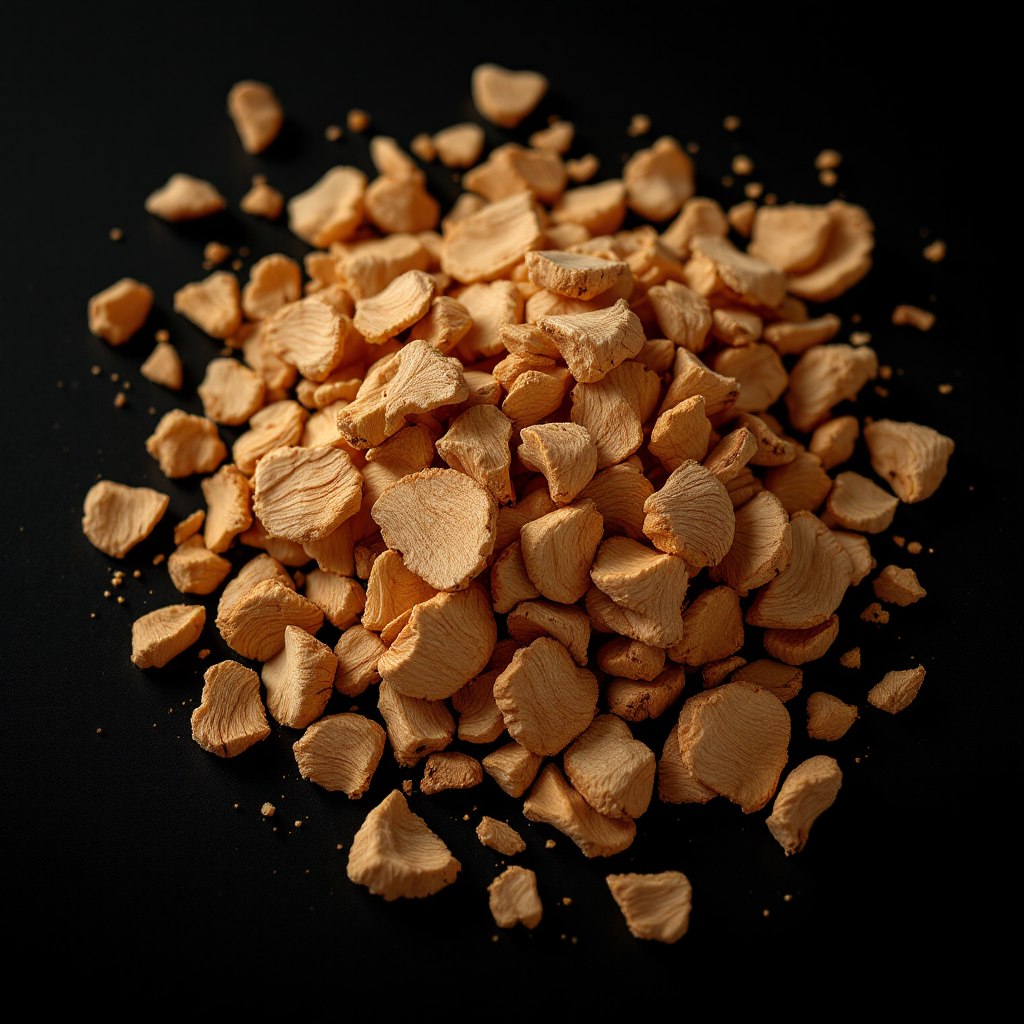
Okoumal
Okoumal is a synthetic woody ingredient that brings deep warmth and volume to fragrance compositions. Developed by Givaudan, it captures the rich, enveloping character of rare woods without relying on endangered botanicals.

Character
How it smells
Modern woody warmth without compromise.
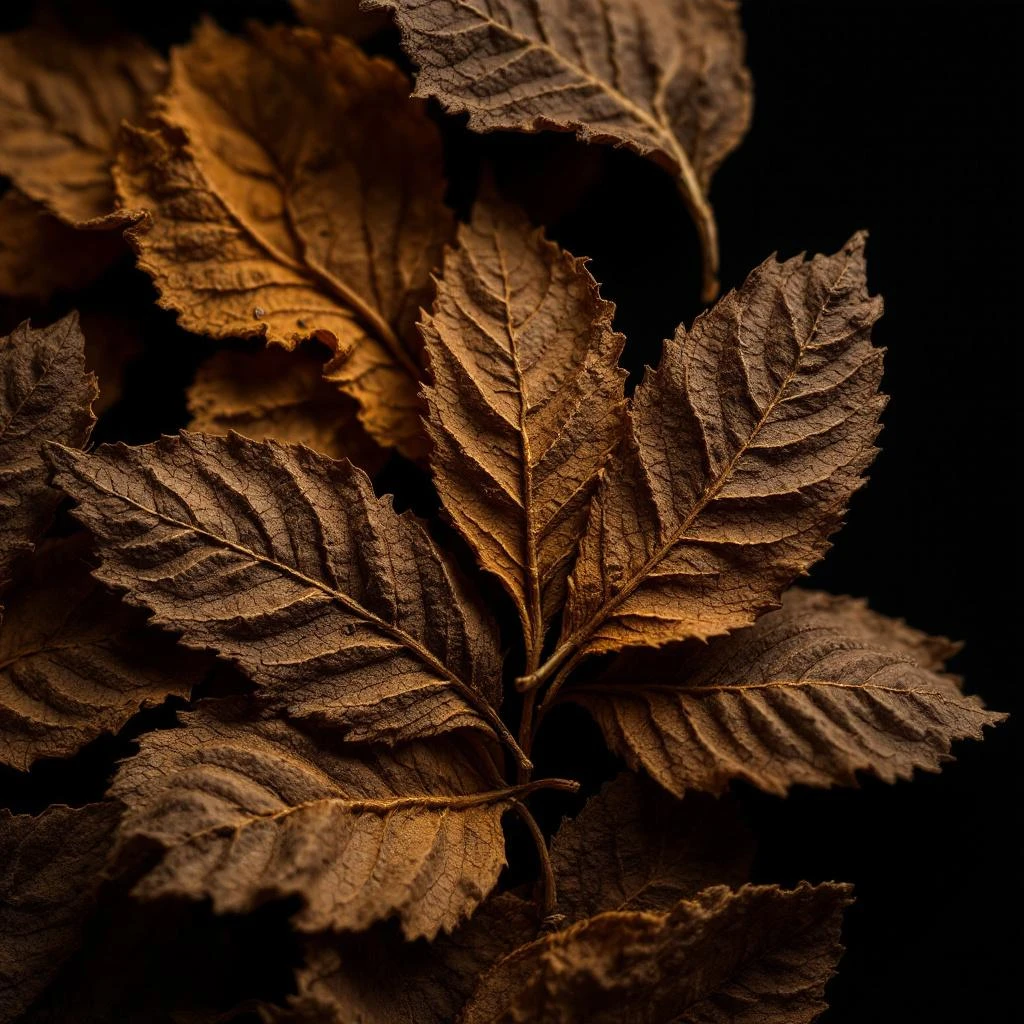
The name Okoumal references okoume wood from Central Africa, yet the ingredient itself is entirely synthetic, proving that responsible perfumery can still deliver extraordinary scent.





Origin
Switzerland
The name Okoumal draws inspiration from okoume (Aucoumea klaineana), a tree native to Gabon and surrounding Central African nations. Okoume wood has long been valued in plywood production, but its use in perfumery presented sustainability challenges.
Givaudan's chemists addressed this by creating a synthetic counterpart that captures the essence of warm, resinous wood without harvesting the actual tree. The ingredient emerged from the same wave of aroma chemical innovation that transformed perfumery in the late 20th century, when synthetics began replacing scarce natural materials.
Today, Okoumal stands as an example of how modern chemistry enables fragrance creation that honors both creative ambition and ecological responsibility. It appears primarily in masculine and unisex fragrances, valued by perfumers who seek sustainable alternatives to natural sandalwood and oud.
Wears it best
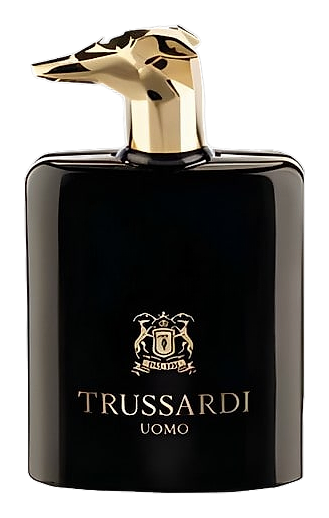
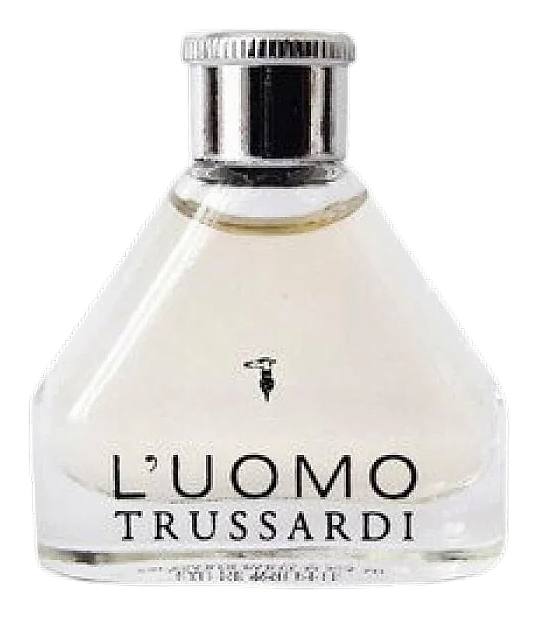
Fragrances featuring Okoumal
Brands
Brands known for Okoumal
Good to know
Questions, answered
The essentials on Okoumal in perfumery: how it smells, where it comes from, and how it behaves on skin.
What does Okoumal smell like?
Okoumal delivers warm, woody, and slightly ambery characteristics. It adds depth, volume, and a creamy warmth that complements other wood notes. The scent is clean yet rich, lacking the harshness sometimes associated with synthetic materials.
Is Okoumal natural or synthetic?
Okoumal is entirely synthetic. Developed by Givaudan, it replicates the warm woody character of certain natural woods without requiring botanical extraction. This makes it a sustainable choice for modern fragrance formulation.
What fragrances commonly use Okoumal?
Okoumal appears frequently in masculine and unisex fragrances from major houses. Its versatility allows perfumers to use it as a base note booster, woody accord builder, or patchouli enhancer across various fragrance families.
Is Okoumal safe for skin use?
Okoumal has been evaluated by IFRA and is considered safe for cosmetic and fragrance use when used within recommended concentration limits. It carries no known allergen designations at typical usage levels.
What fragrance families pair well with Okoumal?
Okoumal combines exceptionally well with cedar derivatives, patchouli, and sandalwood materials. It also works in chypre compositions and modern fougere structures where woody warmth provides the foundation.
How does Okoumal differ from natural wood oils?
Unlike natural wood oils, Okoumal offers consistent aroma profile across batches, longer shelf stability, and no seasonal or geographic variation. It also avoids the sustainability concerns associated with overharvested wood species.
When was Okoumal introduced to perfumery?
Givaudan introduced Okoumal during the late 1980s, a period of significant innovation in synthetic aroma chemistry. This timing placed it among a generation of ingredients that reshaped how perfumers approached woody fragrance construction.
Does Okoumal perform well in skin longevity?
Okoumal exhibits excellent substantivity, meaning it adheres well to skin and maintains its presence over many hours. This makes it particularly valuable in eau de parfum and extrait formulations where longevity is prioritized.