The Story
Why it exists.
The beginning
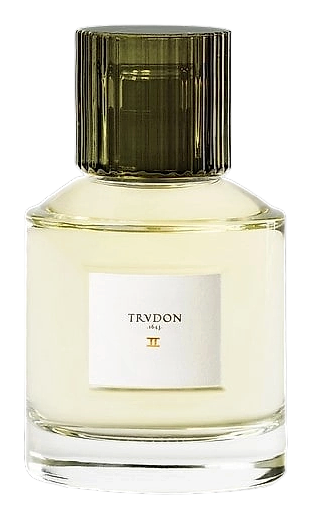
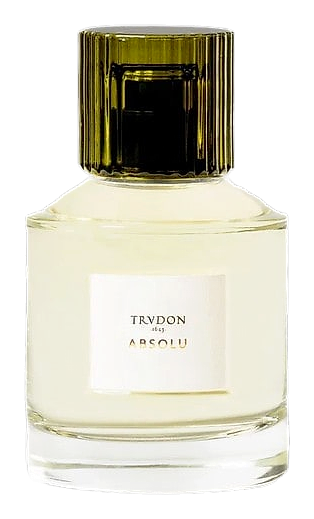
Antoine Lie built Absolu as a direct tribute to Louis XIV, the Sun King, whose documented passion for orange blossom shaped haute parfumerie's trajectory. Trudon, founded in 1643, supplied candles to the king's court, a relationship that anchored the house's identity for centuries. Absolu closes that circle: the same flower, the same house, the same reverence for craft, translated into a 2024 composition that speaks the language of now.
The iris-orange blossom pairing is a cornerstone of French perfumery, but Lie's execution surprises. The guaiac wood and cedar arrive earlier than expected, pushing the cool pastel iris forward while the orange blossom absolute weaves through with hints of indole. The saffron doesn't merely warm, it introduces a warmth that borders on heat, uncommon in iris-forward compositions. That's the departure. That's what elevates this beyond a powdery exercise in nostalgia.
The evolution
Cardamom, saffron, and mandarin orange arrive together, a bright citrus-spice burst that reads sharp for the first thirty minutes. The frankincense then settles in, warm and smoky, as the orange blossom absolute begins its slow reveal. By hour two, the iris takes command, cool, powdery, violet-tinged, while the frankincense retreats to a supporting warmth. The base is where Absolu earns its name. Cedar brings citrus-accented dryness, guaiac wood adds a smoky resinous quality, and tonka bean softens everything into a sweet, warm drydown that lingers intimate and close for six to eight hours on most skin types.
Cultural impact
Absolu draws its cultural weight from a specific royal document: Louis XIV's documented passion for orange blossom, which the Sun King cultivated at Versailles and considered central to his personal atmosphere. Trudon, as the historic candle-maker to French royalty, leverages this connection directly, positioning Absolu not as a generic luxury good but as a restoration of olfactory heritage. The 2024 launch deliberately echoes this lineage, connecting contemporary demand for meaningful niche fragrance to a pre-revolutionary French tradition of botanical sophistication.