
The Story
Why it exists.
The beginning
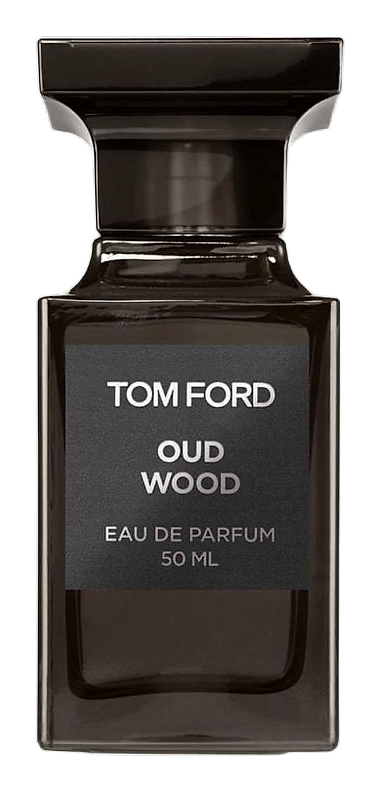
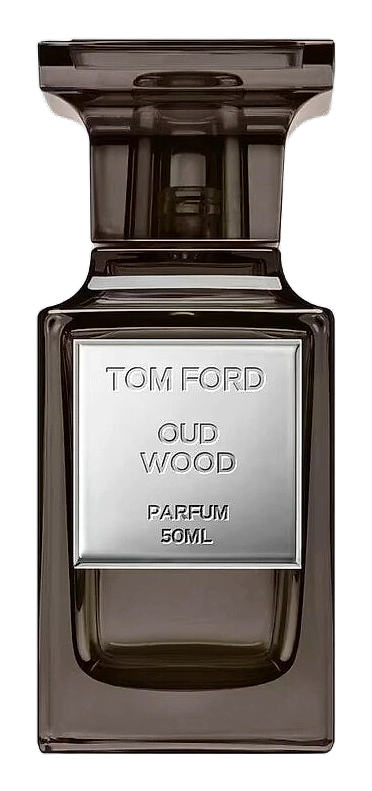
Oud Wood arrived in 2007 as part of Tom Ford's Private Blend collection, and it was different from the start. Rosewood, cardamom, rare oud, materials that announced themselves with intention and authority. For nearly two decades, it stayed that way, a signature in the Private Blend lineup that attracted those who appreciated its restraint and complexity. The Parfum concentration brings additional depth to the composition, with an increased richness that allows each element to resonate more fully against the skin. Cardamom and pink pepper still open with precision, but there is more weight behind them now. The rosewood has room to speak louder without overwhelming, and the oud sits deeper in the drydown, its smoky richness lingering with quiet confidence.
Cardamom is the opening move here, and it matters. The spice arrives clean and warm, not sharp or aggressive, more invitation than announcement. Pink pepper threads through it, keeping the top from settling into something predictable. Rosemary underneath adds a green undertone that most cardamom-heavy fragrances skip entirely. It's the difference between smelling expensive and smelling like you're trying to.
The evolution
The first fifteen minutes unfold with careful calculation. Cardamom and pink pepper create an opening that feels precise rather than impulsive, the kind of start that says the perfumer knew exactly what they were doing. Rosemary keeps the edges from getting too warm, adding a herbal lift that fades gently into what follows. By the thirty-minute mark, the woods begin their slow arrival. Sandalwood comes first, smooth and substantial, lending a creamy quality that weaves through the heart of the fragrance. Then the darker woods arrive: patchouli with its earthy sweetness, oud that smells expensive and never shouts, vetiver adding that dry, smoky quality that keeps the heart from becoming something soft. The heart holds as each wood layers into the next, with vetiver eventually stepping back to let the base settle in.
Cultural impact
Oud has deep roots in Middle Eastern and South Asian traditions, used in incense and religious contexts for centuries. The ingredient carries a weight and history that few perfume materials can claim. Tom Ford brought it into high-end Western fashion in 2007 when the original Oud Wood launched in the Private Blend collection, introducing it to an audience that might never have encountered it outside its traditional contexts. By weaving oud into a Western luxury framework, Ford gave the ingredient a new audience and a new relevance.