The Story
Why it exists.
The beginning
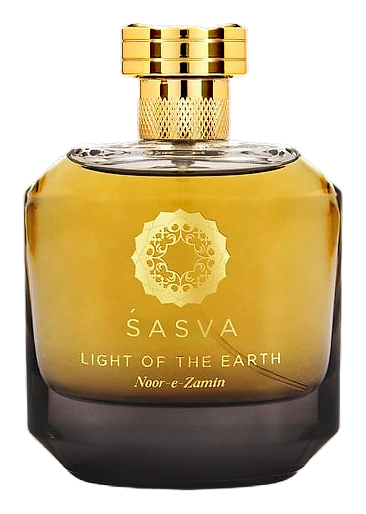
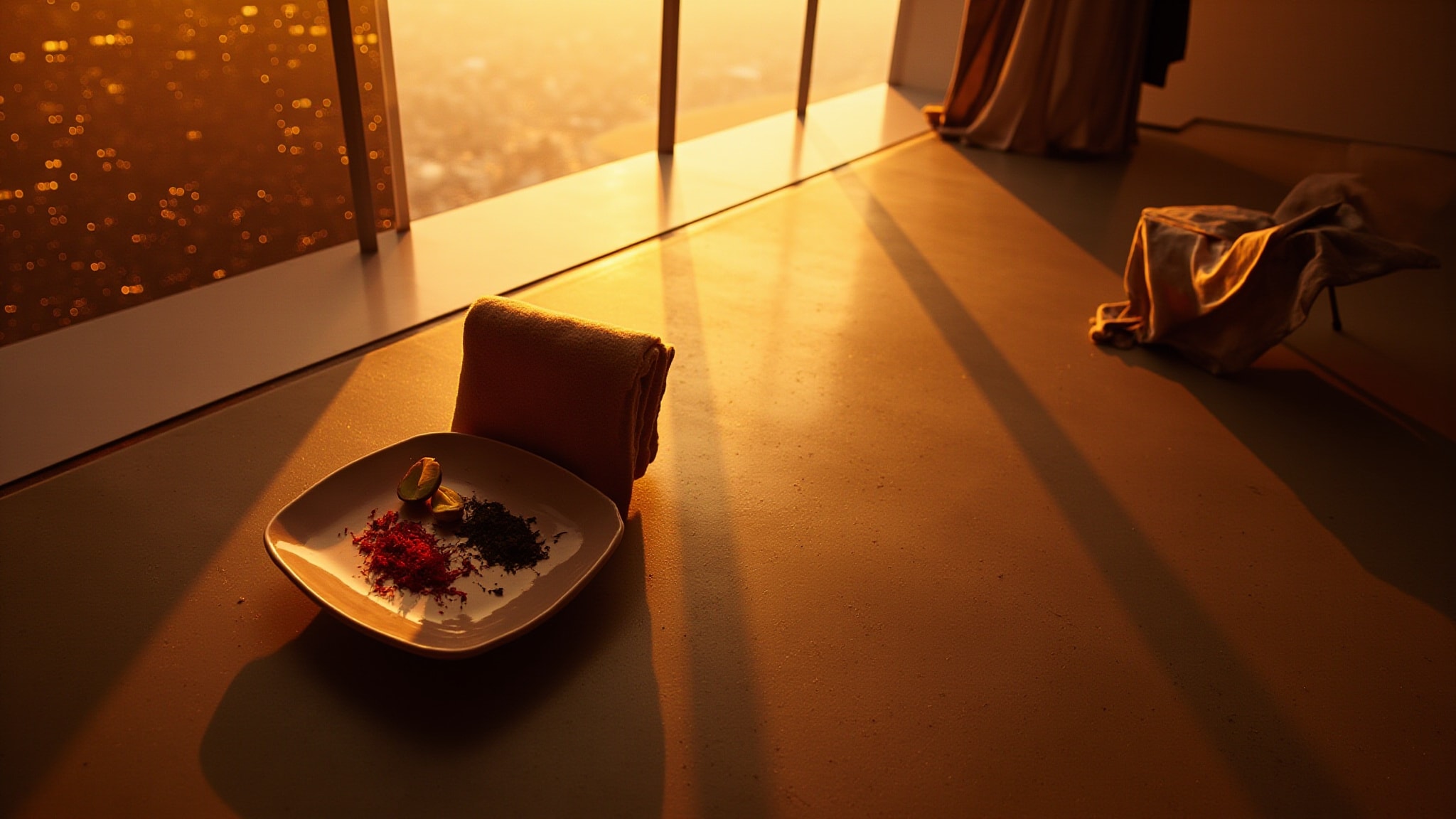
Noor-e-Zamin. Light of the Earth. A name drawn from Urdu poetry, where light means revelation, and earth means everything grounded and real. Sasva built this fragrance around a tension: the fleeting brightness of saffron against the permanence of soil. Perfumer Jordi Fernández structured the composition to open with spice and air, then slowly descend into warmth and wood. Not a linear story. A cycle. Light rises, then sets, then rises again in different form.
The cardamom-saffron-ginger trifecta is deliberate. These three spices appear across subcontinental cooking, medicine, and perfumery traditions, Fenicula, the Persian influence, the Mughal courts where saffron wasn't a luxury but a language. Fernández didn't reach for them as nostalgia. He used them as architecture. The bitter orange adds astringency, keeping the opening from ever feeling sweet. That restraint is what makes Light of the Earth distinct from other warm-spicy compositions: it smells knowing, not eager.
The evolution
The opening announces itself confidently. Cardamom leads, green, sharp, unmistakable, backed by saffron's dusty warmth and ginger's clean heat. The bitter orange adds a brief citrus brightness that fades fast, but the other elements don't wait. By the thirty-minute mark, patchouli begins its takeover. But the transition isn't abrupt. Cardamom stays, mixing with the patchouli in a middle phase that reads as both fresh and earthy simultaneously. This overlap holds for at least an hour. Then the drydown. Cedarwood and vetiver converge into something dry and powdery-woody. Leather appears, but never dominates, it threads through the base rather than announcing itself. Musk anchors everything, warm and close to skin. The final hours smell like woodsmoke at a distance: present but restrained. On fabric, the cedar and vetiver linger into the next day. On skin, the musk holds for eight to ten hours total, never projecting far from the wearer.
Cultural impact
Light of the Earth sits at the spicier end of Sasva's catalog, distinct from their gourmand constructions and floral studies. For niche collectors seeking South Asian references without Orientalist pastiche, this release offered something specific: cardamom and saffron used architecturally, not decoratively. The moderate sillage suits the composition's restraint, intimate rather than announcing. Within the house, it demonstrates range. Within the broader niche market, it carves a modest but distinct space.