The Story
Why it exists.
The beginning
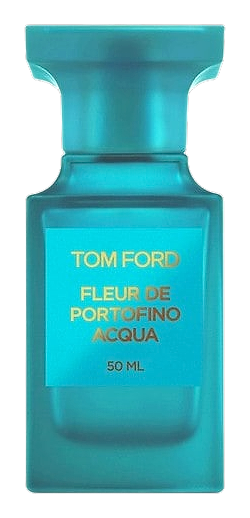
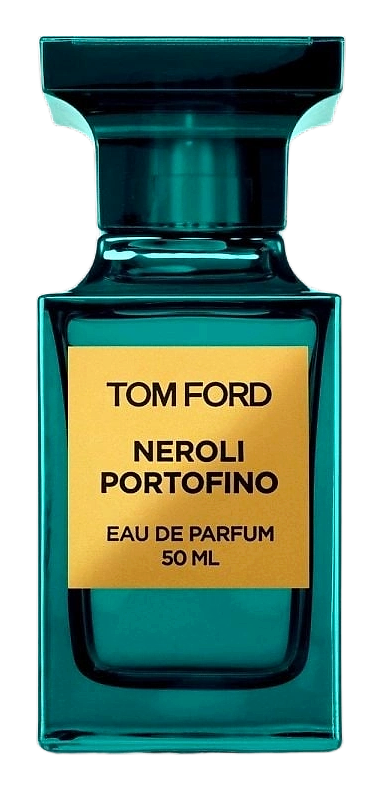
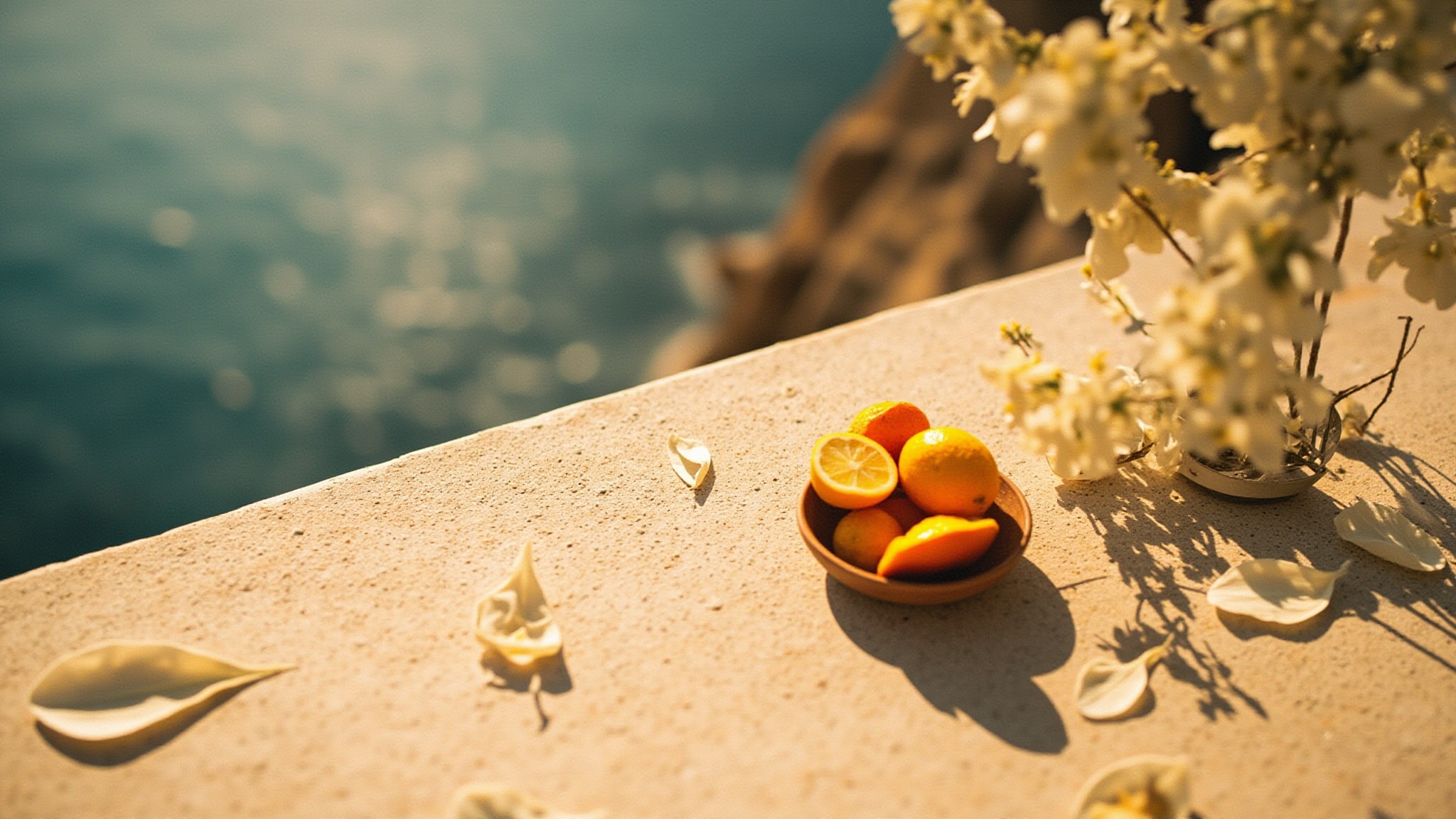
The Neroli Portofino collection began in 2011 as Tom Ford's love letter to the Italian Riviera, each fragrance capturing a different hour of a Mediterranean summer. Fleur de Portofino arrived in 2015 as the fourth chapter, designed by Rodrigo Flores-Roux. The concept: white acacia trees lining the coast, their blossoms releasing a honeyed fragrance into the sea breeze. Rather than chasing the obvious orange blossom route, Ford and Flores-Roux focused on the quieter, more intimate scent of acacia in bloom, grounding it in the collection's neroli and citrus heritage.
The choice of acacia as the focal point reflects a philosophy of restraint. Acacia absolute is expensive and subtle, traits that align with the Private Blend's rejection of market-driven fragrance design. Mimosa and osmanthus were selected to support acacia without overwhelming it, creating a heart that feels both luxurious and understated. The opening citrus was borrowed from the collection's Neroli Portofino DNA, ensuring Fleur de Portofino belongs to the family while standing apart. The drydown's acacia honey is the final statement: sweetness without saccharine, warmth without heaviness.
The evolution
The fragrance moves through three distinct phases that mirror the arc of a Mediterranean afternoon. It begins with the sharp, clear light of morning citrus, orange and lemon cutting through like sun on water. By midday, the heart emerges, the florals asserting themselves with quiet confidence rather than volume. Acacia and mimosa create a creamy, almost powdery floral cloud, while osmanthus adds a fleeting apricot note that catches the light. As evening approaches, the drydown arrives, acacia honey settling into the skin like the last warmth of the day. The evolution is slow, deliberate, rewarding patience.
Cultural impact
The Neroli Portofino line spans the full range of Mediterranean summer, from sharp citrus to deep aquatics to white florals. Fleur de Portofino arrived in 2015 as the collection's most delicate expression, and it has sparked genuine disagreement among enthusiasts. Some find it the line's finest work, a white floral with the elegance to pull off restraint. Others find it underwhelming, especially next to the bolder Private Blends. It occupies a strange position: too gentle for those who want impact, too distinctive for those who want safe. The honey accord has become the central point of contention, either it grounds the florals into something warm and wearable, or it tips the composition into sweetness that overwhelms the delicate white floral character.