The Story
Why it exists.
The beginning
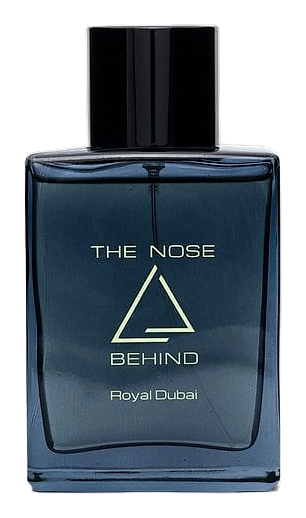
Royal Dubai arrived in 2024 from Christian Carbonnel, also known as Chris Maurice. The name points to Dubai, but the available facts don't describe a literal city portrait or a specific story behind the commission. What they do reveal is the fragrance's own brief: a sweet, warm, woody scent for anyone who wants spice without losing the velvet. The composition brings together cinnamon, ylang-ylang, black pepper, plum, cedarwood, patchouli, violet, musk, sugar, and woody notes. It's a deliberate collision of heat and softness, built to feel polished, expressive, and easy to wear.
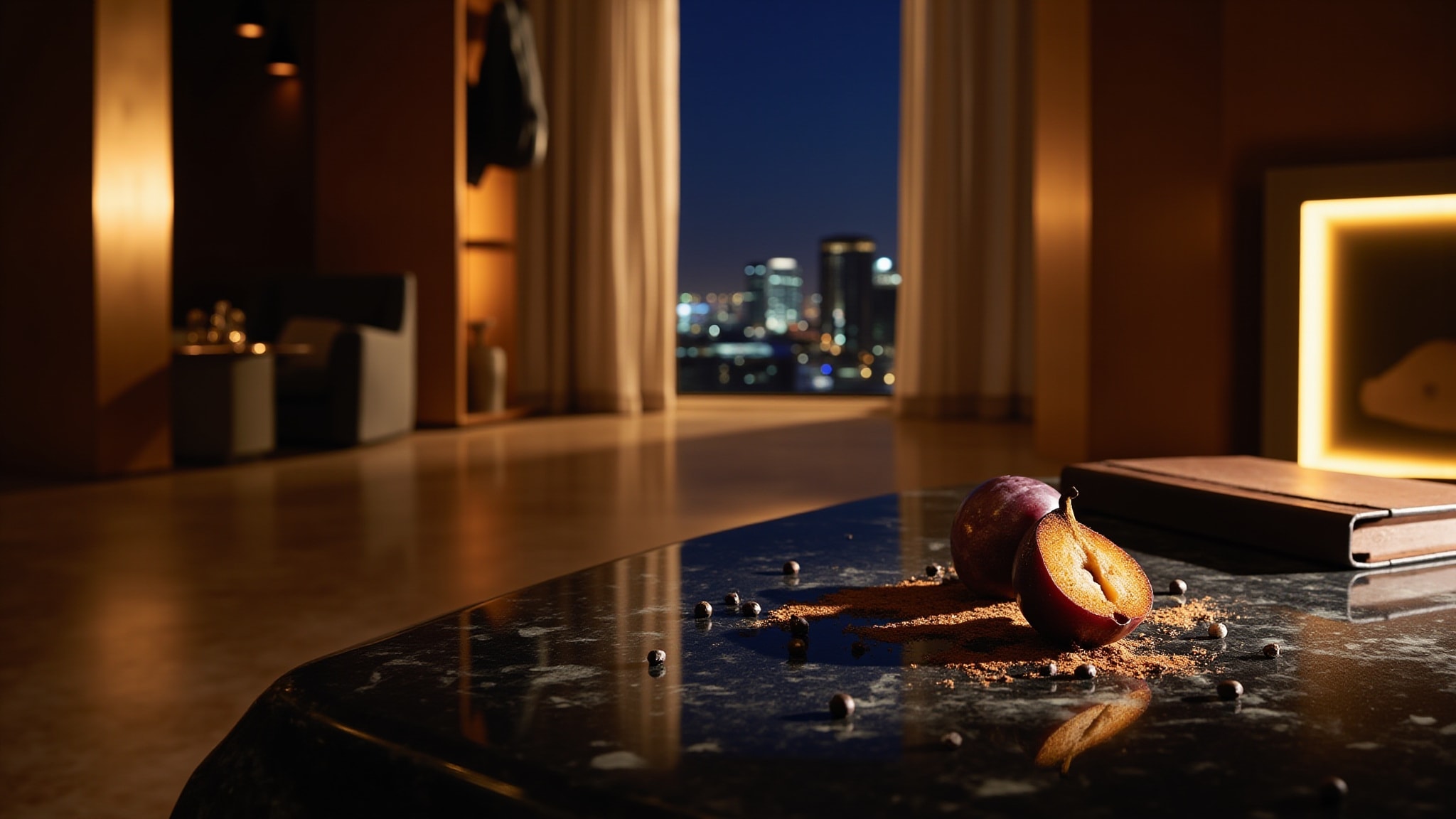
The interesting part is the tension between the first impression and the finish. Cinnamon and black pepper create a lively, almost sparkling heat, while ylang-ylang keeps the opening from becoming purely fiery. Plum then pulls the composition toward something rounder and more tactile, like fruit warmed against skin. Cedarwood and patchouli bring a dry, earthy counterweight, and violet lends a soft floral shadow. The result isn't a simple sweet fragrance. It's a sweet one with structure, spice, and a little darkness underneath.
The evolution
Royal Dubai starts with a bright collision of cinnamon, ylang-ylang, and black pepper. The first impression is warm and lively, with the floral note keeping the spice from becoming blunt. As it settles, plum becomes the main event: juicy, dark, and gently sweet, framed by violet's powdery softness and patchouli's earthy depth. Cedarwood keeps the fruit from becoming syrupy. Over the next stretch, the sharper opening gives way to a warmer, rounder center. Musk and woody notes then take over the drydown, leaving a soft, woody sweetness that stays close after the spice has faded. The result is less about a dramatic transformation and more about a slow change in temperature, from lively heat to polished dusk.
Cultural impact
Royal Dubai sits within The Nose Behind's wider appetite for place-led, direct, personal fragrance names. Its Dubai reference joins a familiar luxury-city cue with a composition that is less about glossy opulence and more about the pleasure of choosing a scent on your own terms. The sweet-spicy, Oriental woody profile also places it among modern fragrance fans who enjoy recognizable structure with a little drama.
The House
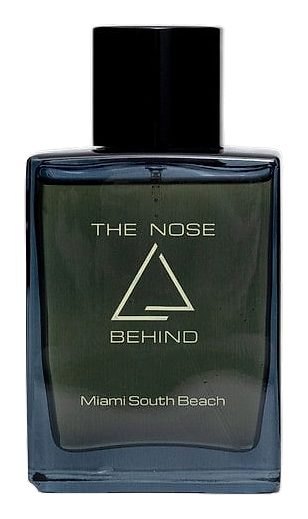
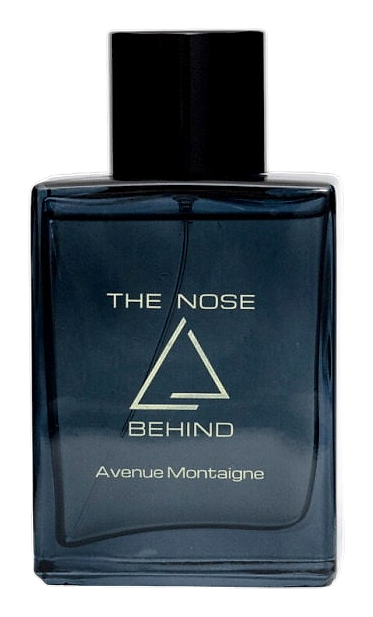
The Nose BehindThe Nose Behind is a fragrance label built around the personal creative vision of Herbert Stricker, who also founded Classic Parfums. The brand positions itself as an intimate expression of its creator's olfactory preferences, essentially functioning as what one source describes as a personal fragrance diary. Rather than operating within traditional fragrance house conventions, The Nose Behind releases scents that reflect individual moments, memories, and sensory inclinations. The collection spans geographic inspirations, with recent offerings including Marrakech, Miami South Beach, Bangkok Shock, and Royal Dubai, alongside more conceptual compositions such as Suits and Avenue Montaigne. The brand operates under the Classic Parfums umbrella, which was acquired by German fragrance company Mäurer & Wirtz, expanding its distribution reach beyond its original markets.
The Creator
Christian Carbonnel a.k.a. Chris MauriceCarbonnel is at his most distinctive when building rich, layered oriental compositions that unfold over hours on the skin. He favors high-quality natural materials and constructs fragrances with real depth—top notes that sparkle, heart notes that develop, and base notes that a…