The Story
Why it exists.
The beginning
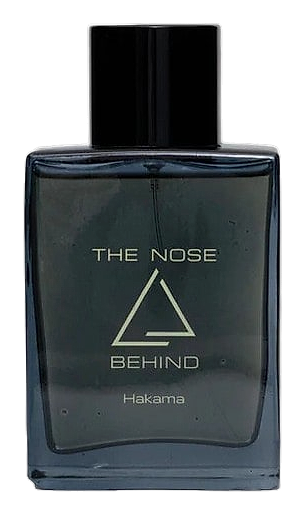
Hakama is attributed to perfumers Cristian Calabrò and Maurizio Cerizza. Its material vocabulary is compact but deliberate: Sichuan Pepper and Bergamot establish contrast, Nutmeg and Clove bring the heat, and Incense, Labdanum, and Musk hold the composition close. Nothing about the name is explained in the available record, so the composition speaks for itself. Bergamot introduces a clean, lightly bitter citrus quality, while Sichuan Pepper adds a dry, tingling brightness that keeps it from reading as simple freshness. Nutmeg and Clove deepen the opening with warm spice, sharpening its aromatic edges and lending a slightly dry, pastry-like impression without turning overtly sweet.
The striking part is how the notes divide the work. Bergamot supplies a clean, citrusy flash, while Sichuan Pepper keeps that brightness from becoming sweet. Nutmeg and Clove then add a dry, almost pastry-like warmth without becoming overtly gourmand. Their aromatic heat gives the opening definition, working against the smoother citrus rather than simply covering it. Incense introduces a smoky, resinous depth, pulling the composition away from sharp brightness and toward a darker, more tactile register.
The evolution
The opening begins with a brisk collision of citrus and pepper. Bergamot lifts the first impression with a clean, lightly bitter brightness, but Sichuan Pepper puts a subtle electrical friction underneath it. Their contrast gives Hakama an alert quality, balancing freshness with aromatic tension rather than allowing the citrus to dominate. As the scent settles, Clove and Nutmeg take over, turning that brightness into something warmer and more textured. The middle has the character of spice stirred through cool air, with only a suggestion of winter pastry sweetness. Incense then deepens the composition, introducing smoke and resin without overwhelming the brighter notes. Labdanum adds further warmth and earthy density, while Musk softens the edges and draws the remaining elements closer together.
Cultural impact
Hakama draws attention through a concise palette and a strong sense of contrast. Bergamot and Sichuan Pepper establish a fresh, sparkling opening before Clove and Nutmeg introduce warmer, drier spice. Incense, Labdanum, and Musk deepen the composition with smoky, resinous, and polished qualities, allowing the fragrance to move between brightness and warmth without relying on a single dominant mood. The name isn't explained in the available record, but the note structure offers a clear point of entry for discovery.
The House
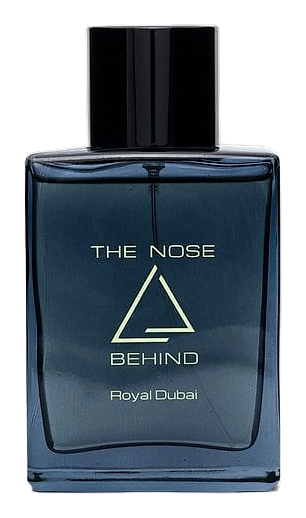
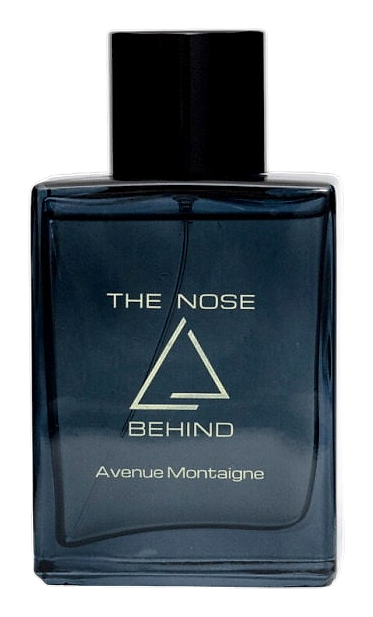
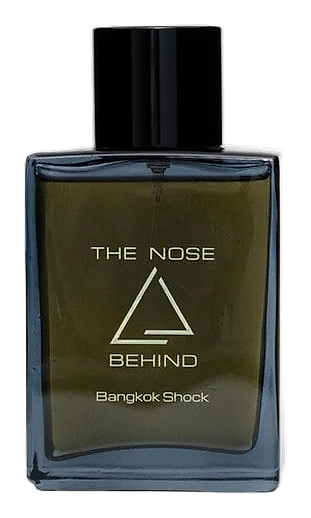
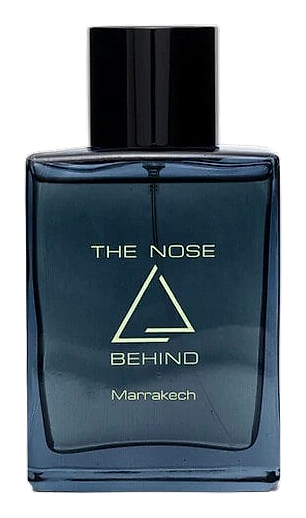
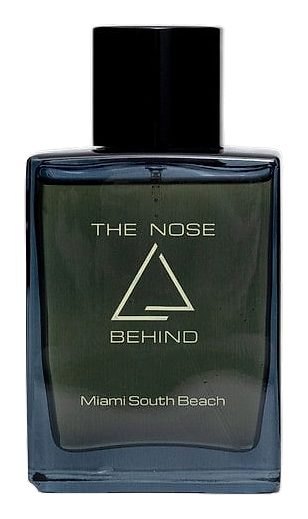
The Nose BehindThe Nose Behind is a fragrance label built around the personal creative vision of Herbert Stricker, who also founded Classic Parfums. The brand positions itself as an intimate expression of its creator's olfactory preferences, essentially functioning as what one source describes as a personal fragrance diary. Rather than operating within traditional fragrance house conventions, The Nose Behind releases scents that reflect individual moments, memories, and sensory inclinations. The collection spans geographic inspirations, with recent offerings including Marrakech, Miami South Beach, Bangkok Shock, and Royal Dubai, alongside more conceptual compositions such as Suits and Avenue Montaigne. The brand operates under the Classic Parfums umbrella, which was acquired by German fragrance company Mäurer & Wirtz, expanding its distribution reach beyond its original markets.
The Creator
Cristian Calabrò & Maurizio CerizzaCalabrò demonstrates particular skill in rendering gourmand compositions with sophistication, as evidenced by Caramelo Vanilla and Almond Harmony. His work with The House of Oud reveals an ability to handle oriental structures with nuance, balancing richness with restraint.