The Story
Why it exists.
The beginning
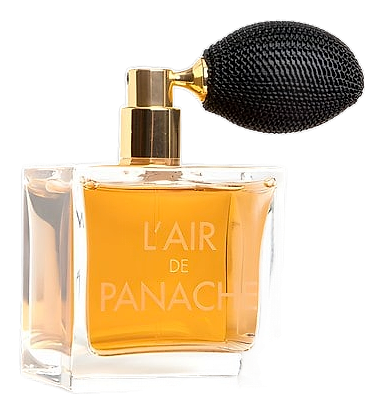
L'Air de Panache began as a prop in Wes Anderson's 2014 film The Grand Budapest Hotel, a fictional detail worn by Monsieur Gustave H., the legendary concierge played by Ralph Fiennes. Anderson conceived it as part of his obsessive world-building, the kind of thing that makes a character feel real rather than performed. What nobody expected was that fans would ask for it. At the Paris premiere, Nicolas Cloutier worked with perfumer Mark Buxton to translate the film's fictional world into an actual fragrance. One thousand pieces were made. Whether it was ever officially sold remains unclear, but the scent exists, and it's everything Gustave's character promised.
The brief was unusual: create a fragrance for a man who maintains impeccable standards as his world collapses around him. Buxton's answer is a scent that performs two roles simultaneously. The top is citrus-clean, almost aggressively polite, bergamot, mandarin, basil, green apple, petitgrain in an arrangement that announces itself without apology. The heart introduces jasmine sambac and rose, florals that ground the brightness in something warmer and more intimate. But the real story is castoreum in the base. That material, animalic, leathery, tar-dark, gives L'Air de Panache its specific character. It's the note that elevates this from pleasant cologne to something with genuine edge.
The evolution
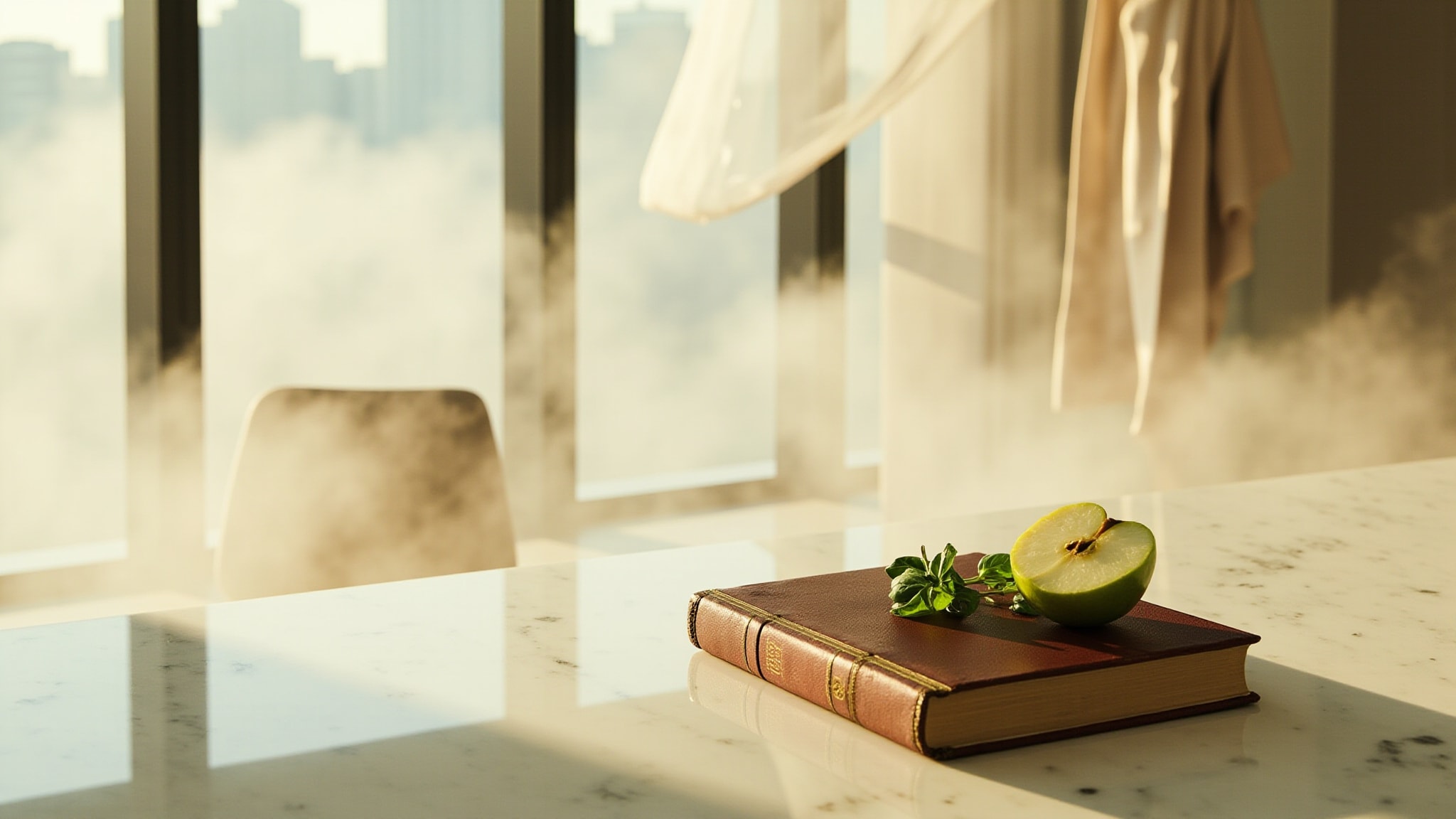
The opening is immediate. Bergamot, mandarin, and green apple arrive bright and crisp, with basil adding an herbal lift that feels both manicured and alive. For the first twenty minutes, this is all about freshness, the kind of citrus that makes you stand a little straighter. Then the jasmine sambac enters. Warm, tropical, slightly indolic in a way that contrasts with the cool green opening. The rose arrives alongside it, but this isn't a floral fragrance, it's a floral undertone, powdery and elegant, adding dimension without sweetness. The castoreum begins to surface as a quiet whisper beneath the florals. By the two-hour mark, the castoreum is no longer quiet. It's the story the top notes were setting up, that animalic, leathery, almost tar-like depth that transforms the composition from polite to something with genuine character. Cedar, oakmoss, and patchouli provide the structure, holding the castoreum in a framework of dry wood and earthy depth. Amber and musk settle into the skin, warm and close. The drydown is intimate.
Cultural impact
L'Air de Panache occupies an unusual position: a fragrance with almost no commercial existence that still has a devoted following. Production appears to have stopped, which has made it harder to find but also more interesting to fragrance collectors and Anderson completists. For those who own it, the appeal is specific, a citrus-green opening that sets up a castoreum drydown, a structure that rewards attention. The jasmine sambac and rose heart gives it a warmth that balances the animalic base. It's the kind of fragrance that works best as a character study: someone who notices details, who cares about the small things, who wears a scent because it means something to them.