The Story
Why it exists.
The beginning
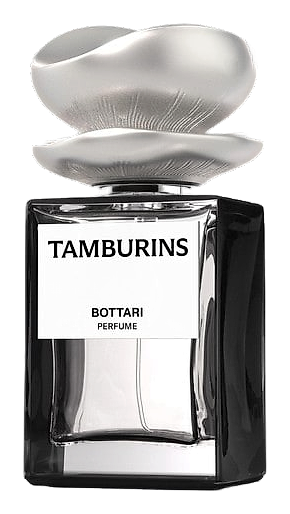
Bottari launched in 2025 from Tamburins, a fragrance house that built its reputation on treating scent as something closer to concept art than commodity. The name itself arrives without explanation, carrying a strangeness that invites you to sit with it rather than decode it. The brand treated that ambiguity as a starting point: a scent that condenses something vast into something you can hold in one hand. The mushroom spore concept came from that same logic, life forms that release themselves into the air in a single explosive moment and then drift, settling wherever the wind takes them. The intention was that burst-and-settle rhythm built into the structure itself.
What makes the structure unusual is the restraint. Akigalawood sits alone at the top, a patchouli-adjacent wood note with a subtle spiciness threaded through it. What you get is the dry, slightly spicy woodiness, the part of patchouli that reads as mineral and clean. Pairing it with ambroxan in the heart pushes the composition toward a modern molecular palette. Both are synthetic materials designed to evoke natural textures (wood, ambergris, skin) without depending on the natural sources themselves. The result is a composition that feels modern in its materials.
The evolution
The first fifteen minutes feel almost geological. Akigalawood lands cold and dry, a slab of mineralized wood with no sweetness to soften it. If anything, there's a faint peppery edge, the patchouli DNA asserting itself before the molecule smooths out. Then the ambroxan and ambrette arrive in the heart, and something shifts. The cold warms. The wood softens. Ambrette brings a skin-like warmth, not sweet, more like the smell of clean linen warmed by body heat. Ambroxan adds a saline, almost ozonic sheen that makes the whole composition feel aerated, as if someone opened a window in a wood-paneled room. The moss here is dry and green, not damp forest floor. It reads as texture, like running fingers across lichen on stone. The ambergris adds a faint marine saltiness that never announces itself but keeps the drydown from going purely terrestrial.
Cultural impact
The mushroom-spore concept fits the brand's positioning, unusual enough to generate conversation but grounded enough to actually wear. The composition behaves like weather: a front passes through, and you're standing in the aftermath, smelling the petrichor and the ozone mixing with whatever was already there. For collectors who treat bottles as objects, the visual identity of each release matters as much as the scent itself. The akigalawood and ambroxan pairing reads as a deliberate move toward a contemporary molecular palette, both synthetic materials designed to evoke natural textures without depending on the natural sources themselves.