The Story
Why it exists.
The beginning
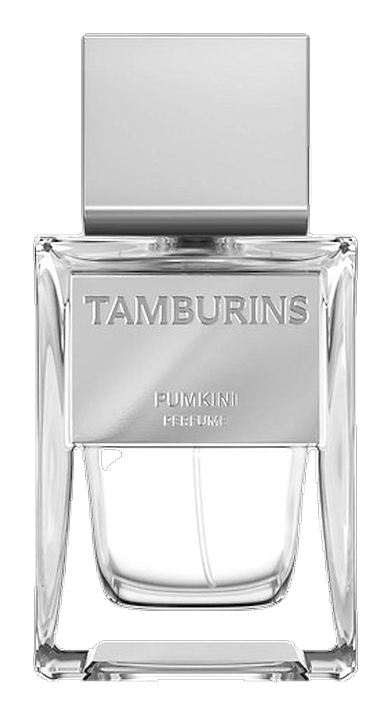
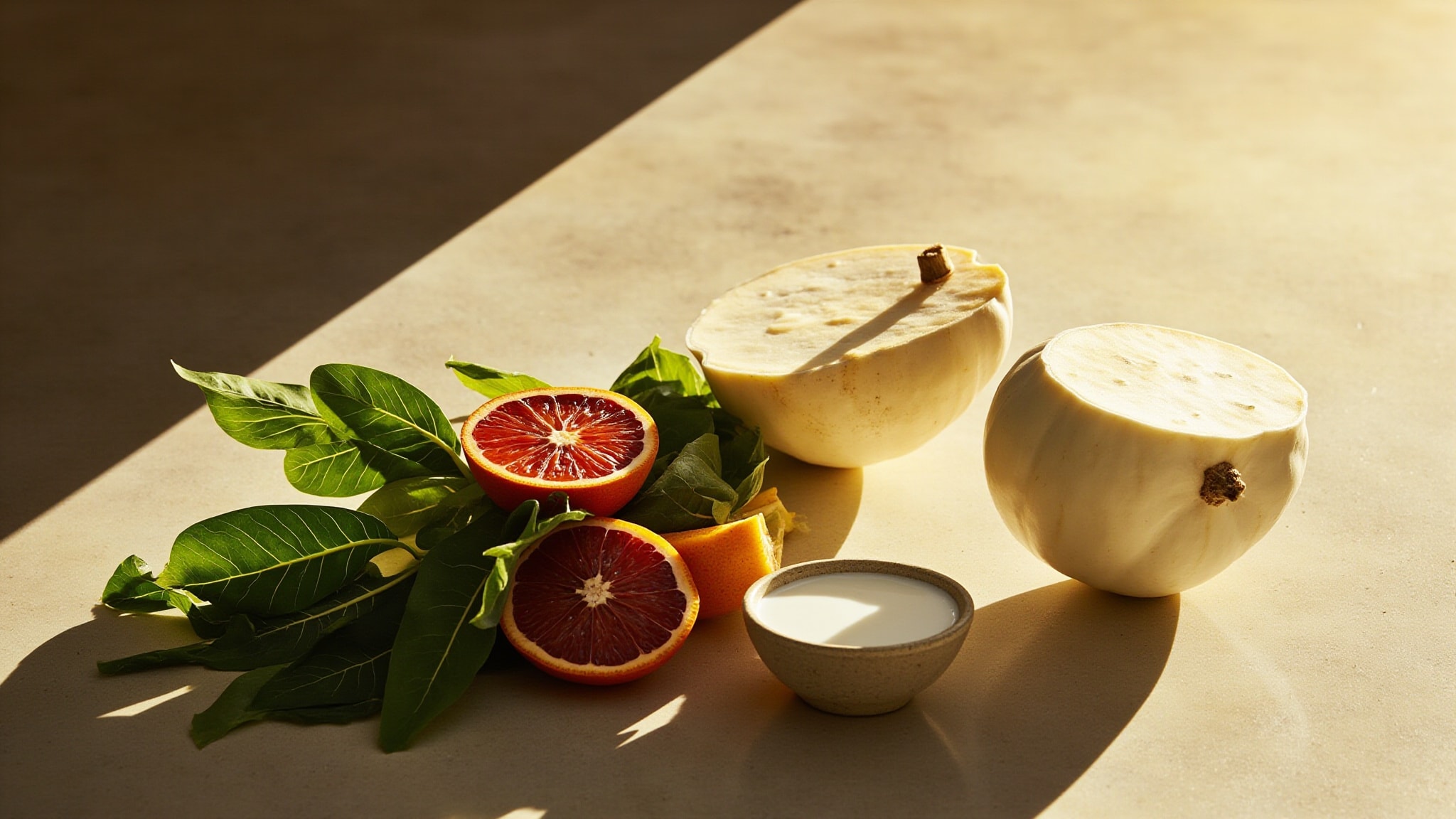
Pumkini arrives as part of Tamburins' seasonal series, joining a line that treats each release as a discrete moment rather than a permanent fixture. The name itself is a play on 'pumpkin', a deliberate lightness that signals the fragrance isn't trying to be heavy or complex. Instead, the brief was simple: take something unexpectedly gentle and make it compelling. White pumpkin carries that weight, literally and figuratively, a note that reads more like cream than gourd, softer than the orange squash it comes from. Shiso leaf, the same perilla herb used in Korean cuisine, brings a green freshness that feels native to the brand's Seoul roots rather than borrowed from Western aromatics. Blood orange rounds the opening with a brightness that doesn't apologize for being cheerful. The result is a fragrance that knows exactly what it is: a quiet pleasure, not a statement.
What makes Pumkini interesting isn't any single note but the way the composition handles texture across its three acts. The opening citrus doesn't announce itself with the usual sharp aggression, blood orange and bergamot arrive already softened, their edges worn smooth by the shiso that accompanies them from the first moment. Shiso is an acquired note, more herb than mint, with a slightly metallic greenness that most Western noses read as unusual before they read it as pleasant. In the heart, white pumpkin acts less like a pumpkin and more like a creamy carrier, it adds body without sweetness, density without weight.
The evolution
The opening hits fast. Blood orange and bergamot arrive within seconds, with the shiso asserting itself almost immediately, a green, slightly medicinal freshness that some wearers find surprising on first spray. Within fifteen minutes, the citrus softens and the white pumpkin emerges, transforming the composition from something bright and unexpected into something rounder and more approachable. The coconut milk in the base doesn't arrive all at once; it builds slowly, blending with the sandalwood into a creamy warmth that replaces the initial greenness by the second hour. By the third hour, most wearers describe the scent as a quiet skin scent, present only when you're close, intimate rather than projecting. The drydown lasts another two to three hours on most skin types, settling into a soft sandalwood and musk that becomes almost imperceptible unless you're specifically looking for it. Performance is moderate: expect four to six hours total, leaning toward the shorter end on dry skin.
Cultural impact
Pumkini landed in 2025 as Tamburins' answer to the growing appetite for playful, non-binary fragrance marketing in Korea and beyond. The brand has built its identity on subverting expectations, gendered absence, unconventional naming, and seasonal availability, and Pumkini leans into that with a name that sounds like a costume, not a perfume. The shiso leaf usage reflects a broader cultural moment in Korean perfumery where local botanicals are repositioned as luxury materials rather than folk aromatics. Tamburins' gallery-like retail spaces and editorial collaborations position these scents as art objects, and Pumkini's limited seasonal run feeds into the scarcity-driven desire that drives niche fragrance culture. Its warm-weather positioning also marks a deliberate departure from the heavy ambers and woods that dominate winter releases, broadening the brand's seasonal range.