White Pumpkin
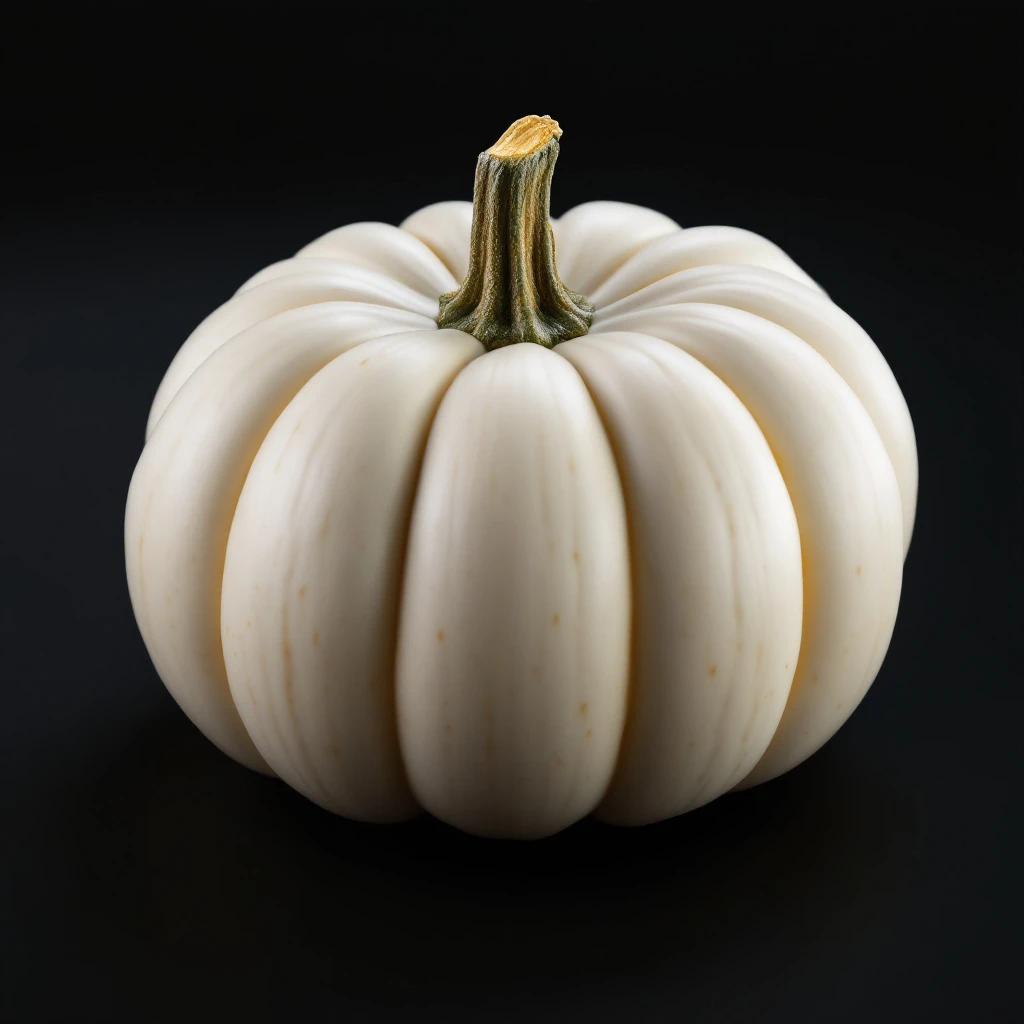
White pumpkin captures the crisp, slightly sweet vegetable freshness of freshly cut Cucurbita pepo. In perfumery, this note is a lab-crafted reconstruction—synthetic molecules mirror the gourd's green, watery character. It brings unexpected depth to gourmand and seasonal compositions.
Character
How it smells
Fresh-cut squash with a clean, sweet edge
White pumpkin absolute cannot be extracted via standard distillation—the aromatic compounds degrade under heat, making synthetic reconstruction the only viable route.



Origin
United States
Pumpkin originates from the Americas, where indigenous peoples cultivated Cucurbita species for thousands of years before European contact. The white-skinned varieties emerged through centuries of selective breeding, prized for their mild flavor and dense flesh. In perfumery, however, pumpkin remained an overlooked note until the late 20th century.
Flavor chemists studying cucurbit crops in the 1960s and 1970s identified the specific volatile molecules responsible for the gourd's characteristic scent—compounds like cucurbitacin and various aldehydes. The challenge was concentration: pumpkin releases these aromatics only in trace amounts, making traditional extraction impractical. The breakthrough came from aroma chemistry rather than botanical extraction.
By the 1990s, fragrance houses began offering white pumpkin as a synthetic accord, and its clean vegetable character quickly found favor in seasonal autumn compositions and modern gourmand fragrances that balanced sweet and fresh elements.
Wears it best
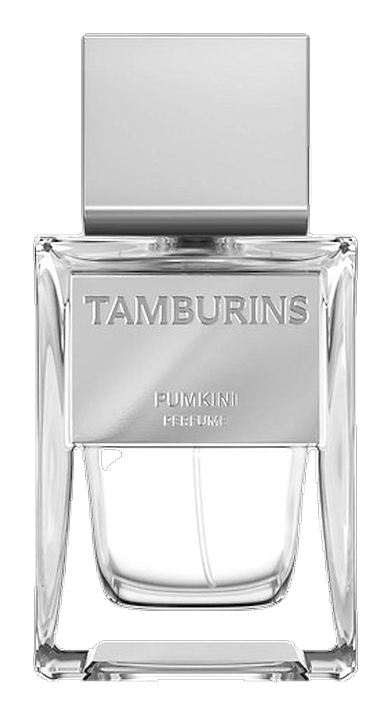
Fragrances featuring White Pumpkin
Brands
Brands known for White Pumpkin
Good to know
Questions, answered
The essentials on White Pumpkin in perfumery: how it smells, where it comes from, and how it behaves on skin.
Is white pumpkin a natural or synthetic ingredient?
White pumpkin is a synthetic reconstruction. The aromatic compounds in actual pumpkin degrade during standard extraction, so perfumers build the note from individual synthetic molecules that mimic its fresh, vegetable character.
What does white pumpkin smell like?
White pumpkin smells like freshly cut squash—crisp, green, and subtly sweet with a watery quality. It reads as a clean vegetable note rather than a heavy or spicy one.
When did white pumpkin first appear in perfume?
White pumpkin accords became available through fragrance houses in the 1990s, though the vegetable note gained broader recognition in the 2000s as gourmand perfumery expanded.
Which fragrance families use white pumpkin?
White pumpkin typically appears in gourmand, fresh, and seasonal fragrance families. It pairs well with vanilla, spices, and aquatic notes to add unexpected crispness.
Can white pumpkin be extracted from real pumpkins?
Not practically. The key aromatic compounds in pumpkin are present only in trace amounts and break down under heat, making steam distillation and solvent extraction ineffective.
What molecules make up the white pumpkin accord?
The accord typically combines green compounds like cis-3-hexen-1-ol, melon lactone for sweet-fruity depth, and synthetic musks for a clean watery finish.
Is white pumpkin used more in perfumery or in flavor?
White pumpkin compounds see significant use in both industries. Flavor houses originally developed the aromatic profile for food applications before fragrance chemists adapted it for perfume.
Does white pumpkin have any traditional fragrance history?
No. Unlike rose or sandalwood, white pumpkin has no historical role in perfumery. It emerged purely as a modern aromatic construction in the late 20th century.