
The Story
Why it exists.
The beginning
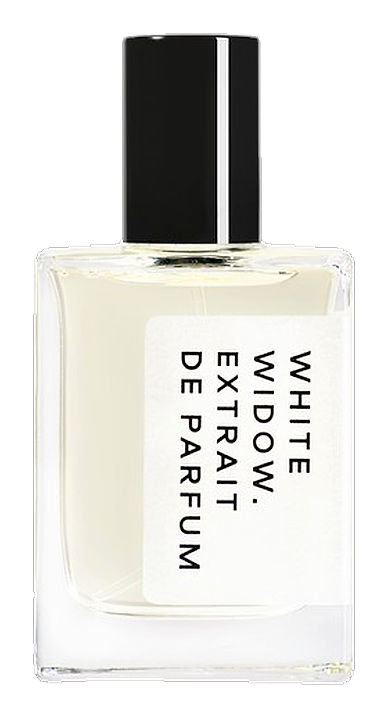
The name arrived first. White Widow, borrowed from a cannabis strain known for electric, euphoric potency, set the creative brief before a single note was chosen. The intent was translation: take the idea of a high and render it in olfactory form. Tobacco became the obvious anchor, but the path to resolution required an unexpected counterweight. Vanilla arrived not as a rescue mission but as a parallel track, sweet, slightly resinous, capable of holding the composition's more challenging elements without erasing them. Hemp sealed the concept. Not as a gimmick, but as the aromatic bridge between celebration and restraint, the green, slightly mineral note that makes the sweetness feel earned rather than obvious.
The heart of White Widow lives in its contrasts. Warm spices, cinnamon, nutmeg, carnation, meet cool florals: heliotrope's powdery iris and carnation's clove-like spice. The hemp note grounds everything in something herbal and slightly animal, preventing the composition from drifting into pure gourmand territory. Cedar and patchouli arrive in the drydown not to close the door but to extend the experience, woody, warm, with enough oakmoss to keep the sweetness honest. What makes this composition interesting is the balance between accessibility and complexity. The vanilla-tobacco pairing is familiar territory, but the hemp and carnation add a slightly surreal edge that rewards attention.
The evolution
The opening hits with tobacco as the lead, sharp, aromatic, with anise and black pepper in support. The ginger adds a clean heat that prevents the tobacco from becoming heavy too quickly. This phase lasts roughly 30 minutes before the warmth arrives and takes over. The heart phase introduces the warm spices, cinnamon and nutmeg, with carnation's spiced floral note cutting through the sweetness. The hemp note emerges here, grounding the composition and adding an herbal depth that distinguishes White Widow from simpler tobacco-vanilla constructions. This phase holds for several hours, the spice and herb in constant dialogue. The drydown arrives quietly. Vanilla and tonka bean hold the ground, warm, sweet, with amber deepening the resinous quality. Oakmoss adds a mineral edge that keeps the sweetness from becoming cloying. Cedar lingers. It's the kind of drydown that stays close to the skin, intimate rather than announced.
Cultural impact
White Widow occupies an interesting position in the post-2020 fragrance landscape, a time when the market has grown crowded with tobacco and vanilla interpretations. What distinguishes this composition is the hemp note: not as novelty, but as structural element. It adds an herbal, slightly mineral quality that prevents the sweetness from becoming overwhelming and gives the fragrance a point of view. Wearers who appreciate tobacco-forward compositions find it approachable enough for daily wear while complex enough to reward attention. The sweet-spicy balance has resonated with those who typically find either tobacco or vanilla too dominant in other fragrances.