
The Story
Why it exists.
The beginning
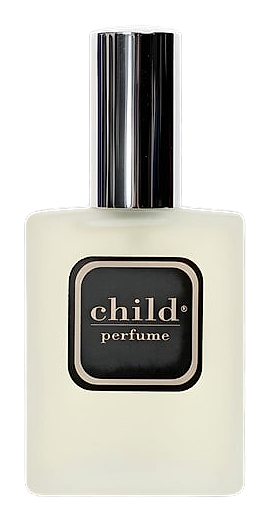
Susan D. Owens created Child Perfume for herself in 1989, mixing materials without any intention of selling it. What started as a personal response to wanting a scent that didn't exist yet eventually found its way beyond her. By 1990, the formula she made for her own skin became available to anyone who tracked her down. The fragrance opens with cool, green lilac and magnolia before white florals arrive to claim what they came for. Jasmine and tuberose form a heart that doesn't dilute itself for politeness. The vanilla bridges the cold opening to warm, waxy richness. The name, Child, seemed innocent enough. The fragrance itself had other ideas.
Lilac and magnolia open cool and green, a brief moment of restraint before the white florals arrive to claim what they came for. Jasmine and tuberose form the kind of heart that doesn't dilute itself for politeness. The vanilla in the top accord isn't sweetness for its own sake, it bridges the cold opening to the warm, almost waxy richness that follows. The composition carries a density that reveals itself over time, white floral intensity layered thick enough to feel almost tangible on the skin.
The evolution
The opening arrives fast, lilac and magnolia giving way to warm vanilla and citrus that eases the transition. Then jasmine takes over, and tuberose doesn't wait for permission. You're deep in white floral territory, the kind of richness that feels almost indolic, others might simply call it full. The heart holds, its density refusing to thin out. The drydown arrives quietly: musk and mimosa, a powdery warmth that settles close to the skin and stays. The name fades. The flowers don't. On fabric, something softer lingers long after the initial application, maintaining that intimate presence even as the hours accumulate.
Cultural impact
For over two decades, Child Perfume has circulated through word-of-mouth and specialty retailers like Beautyhabit. Its following has grown through passionate discussions and those who seek it out. The name creates an immediate tension: you expect one thing, you encounter something else entirely. That gap is where the fragrance lives. It's not for everyone, but the people who connect with it tend to connect deeply. Owens herself has described the fragrance as addictive, a word that surfaces repeatedly in community discussions.