
The Story
Why it exists.
The beginning
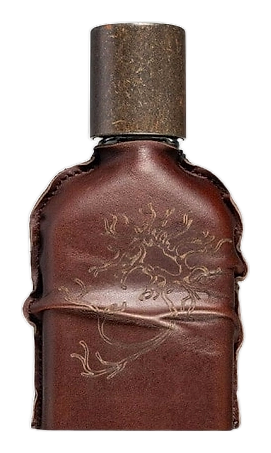
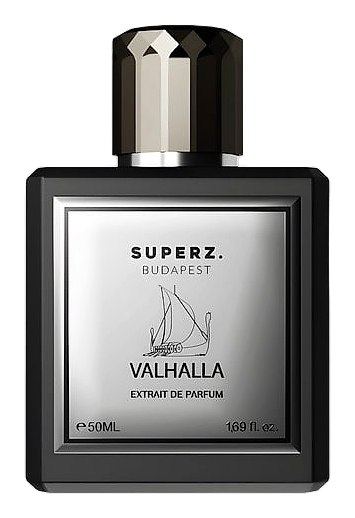
Valhalla wasn't named for subtlety. The Norse afterlife, where the slain warriors earned their place through conviction, not accident, became the brief. Superz wanted a fragrance that felt like arriving somewhere you'd fought to reach. Dark leather, smoky oud, and the cold clarity of rosemary at the opening: this was the composition that followed. Originally positioned for men, the brief allowed for anyone who wanted to wear conviction as a second skin.
What makes Valhalla interesting isn't the individual materials, leather and oud appear in dozens of niche fragrances, but the ratio. The leather doesn't sit at the edges as a supporting note. It dominates from the drydown onward, thick and animalic, almost confrontational. The oud adds smoke without sweetness, and the patchouli keeps everything pressed into the same dark earth. The violet and iris are the only concession to softness, and they're barely visible once the base takes over.
The evolution
Rosemary hits first, green, almost medicinal, a shock of cold air before the door closes. Bergamot flickers underneath for the first twenty minutes, citrus bright against the growing dark. Then the heart arrives: iris powder, amber warmth, vanilla that sweetens without softening. The transition is where most fragrances earn their keep. Valhalla earns it quietly. The powdery iris doesn't fight the leather, it just holds the door open. By the second hour, the leather has taken over. Oud, patchouli, cedarwood, sandalwood, all dark, all warm, all pressing close to skin. The drydown is long and layered, revealing new facets as hours pass, each note settling deeper into the skin's warmth.
Cultural impact
Valhalla sits in a crowded corner of the niche market, dark, smoky, leather-forward compositions, but it earns attention through conviction. The leather dominance is the statement: not a supporting note, but the foundation. Wearers who connect with it tend to connect hard. The release found an audience among collectors who wanted something that didn't negotiate.