The Story
Why it exists.
The beginning
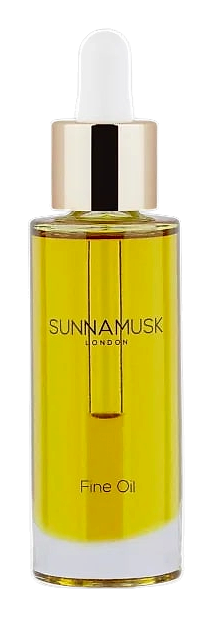
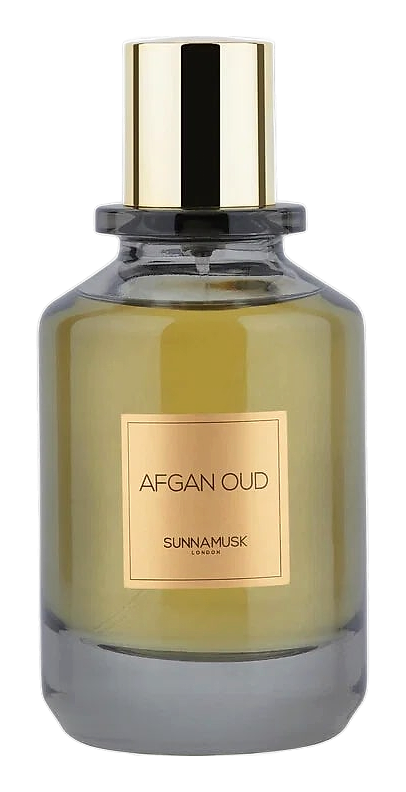
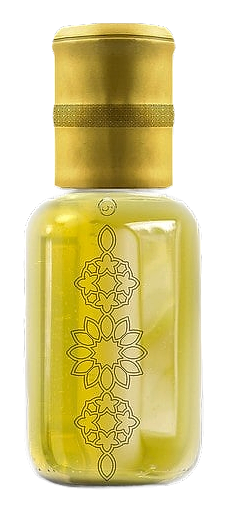
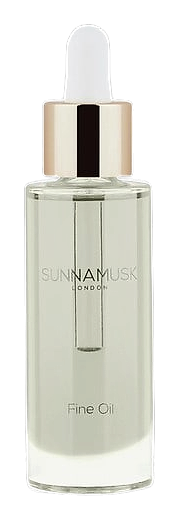
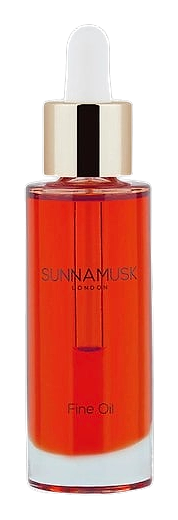
Oud Al Haramain is a perfume oil from Sunnamusk, a house that works within Arabian perfumery traditions shaped for a British context. The house sits at the meeting point of Eastern olfactive heritage and Western presentation, favouring accessibility over ceremony. Oud Al Haramain sits firmly in that lineage. It is built around oud as the gravitational centre, with a saffron-rose heart pulling toward modern floral territory and a leather-vetiver base anchoring everything in something darker and more rooted. What comes through in the composition is restraint: the oud carries genuine density without tipping into the medicinal or barnyard territory that puts some wearers off the note, and the supporting materials are arranged so that each one has room to register.
What makes this composition work is the way the saffron and lemon play against the rose and jasmine up top. Saffron has a dry, almost metallic warmth, the kind that carries a faint bitter edge and reads as savoury rather than sweet. Lemon cuts through it cleanly, pulling brightness into what could otherwise read as a dense floral. The interplay matters: the citrus opens the door, the florals fill the room, and the saffron acts as a kind of hinge between them, warm enough to connect to the rose but dry enough to keep the jasmine from turning syrupy.
The evolution
The first fifteen minutes are deceptive in their lightness. Saffron and lemon arrive first, bright and almost cheerful, giving no warning of what's coming. Then the jasmine and rose step forward, and the temperature shifts. The florals aren't shy; they fill the mid-phase with a dense, almost candied presence that lasts well into the afternoon. Around the four-hour mark the leather begins to assert itself, bringing a smoky, slightly sweet gravity that pulls the florals downward. The oud doesn't announce itself; it simply materializes, deepening the base without overwhelming it. By hour six you're in full drydown territory: leather, vetiver, musk and oud woven together into something that reads more as warmth on skin than as an identifiable scent. On fabric the next morning, you'll catch the oud and musk, quieter but persistent.
Cultural impact
Oud Al Haramain's name points toward the spiritual and sensory weight carried by oud across Gulf perfumery, and the composition leans into that heritage directly. The perfume oil format places it firmly within the attar tradition rather than the standard spray-and-go EDP format, which shapes both how it's applied and how it's received. Wearers tend to treat oil formats differently: dabbed onto pulse points, warmed between fingertips, layered and reapplied through the day. That application ritual is part of what makes oils like this feel distinct from designer releases, where a single spray is often the entire routine.