
The Story
Why it exists.
The beginning
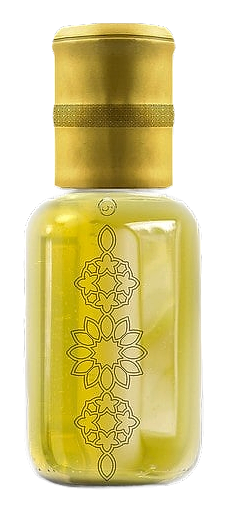
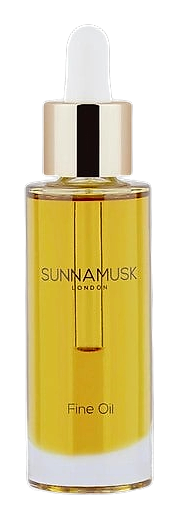
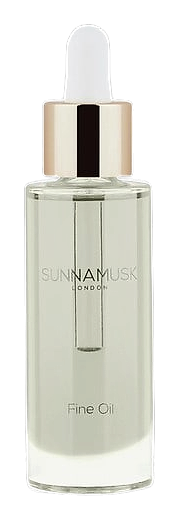
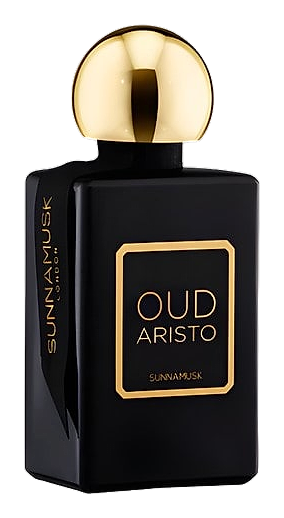
Oud Aristo arrives with a name that does most of the talking before the bottle is even opened. The word aristo lands first, a suggestion of formality, of tailoring, of intention. The oud grounds that impulse in something older and weightier. Together they describe a release that treats oud not as a relic but as a material suited to daily rotation. The composition reads cleanly, built around the idea that an oud fragrance can sit close to the skin without demanding attention or occasion. It opens with a confident trio of spice, sets its course quickly, and lets each phase of wear do exactly what it needs to do without overstaying. There's no costume here, no mythology to decode. The fragrance wears its pedigree in its construction rather than in its presentation.
What makes the composition work is the friction between its warm and cool halves. The top is pure spice, coriander, saffron, nutmeg, each of them carrying a different register of heat. Then the heart pulls sideways into clary sage, lavender, and rose, aromatics that behave like a counterweight rather than a continuation. The base anchors the whole thing in oud, frankincense, and moss, which gives the spice somewhere to go besides evaporating. The lavender and sage hold the center long enough for the oud to reveal itself gradually, less an event than an arrival.
The evolution
The first ten minutes are the loudest, and that's fine. Coriander hits first with a green, almost citrus-edged brightness, then saffron folds in underneath with that leathery, almost metallic warmth it always brings. Nutmeg arrives last in the opening act, a little sweetness that rounds the spice into something wearable. By the twenty-minute mark the top notes are already stepping aside. Clary sage takes over with a dry, slightly herbal clarity, the kind of green that smells more like stems than leaves. Lavender follows, cool and clean, pulling the composition away from the spice it came from. Rose sits underneath both, barely a presence, more like a suggestion of something soft between the herbs. An hour in, the heart has quieted and the base is doing the real work. Oud arrives without drama, woody and slightly animal, but the frankincense keeps it lifted, almost luminous.
Cultural impact
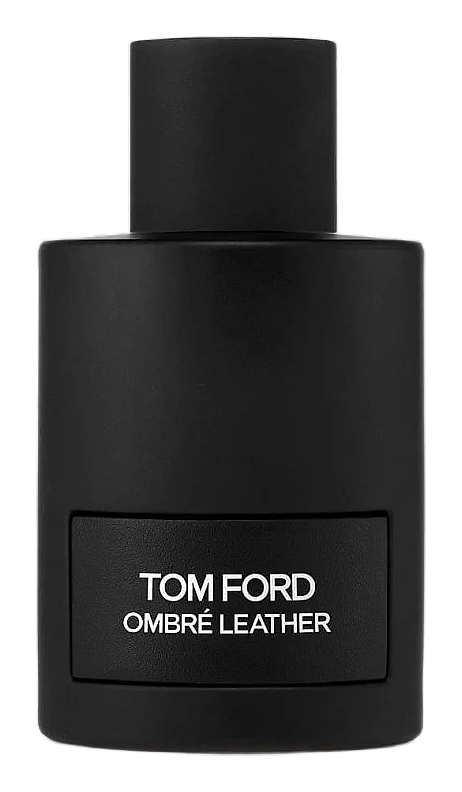
Oud Aristo sits in the everyday-wear oud category, the kind of release that treats oud as a material rather than a spectacle. One reviewer has drawn a parallel to Tom Ford's Oud Wood, noting the Sunnamusk version reads slightly more refined by comparison. It's a cold-weather composition, weighted toward fall and winter, with a wear pattern that suits evenings and longer days. The fragrance doesn't try to redefine oud. It just offers a version of it that doesn't require occasion. Wearers tend to reach for it when they want presence without performance, when the goal is to be noticed slowly rather than immediately.