The Story
Why it exists.
The beginning
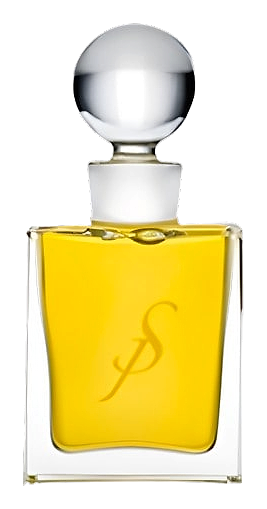
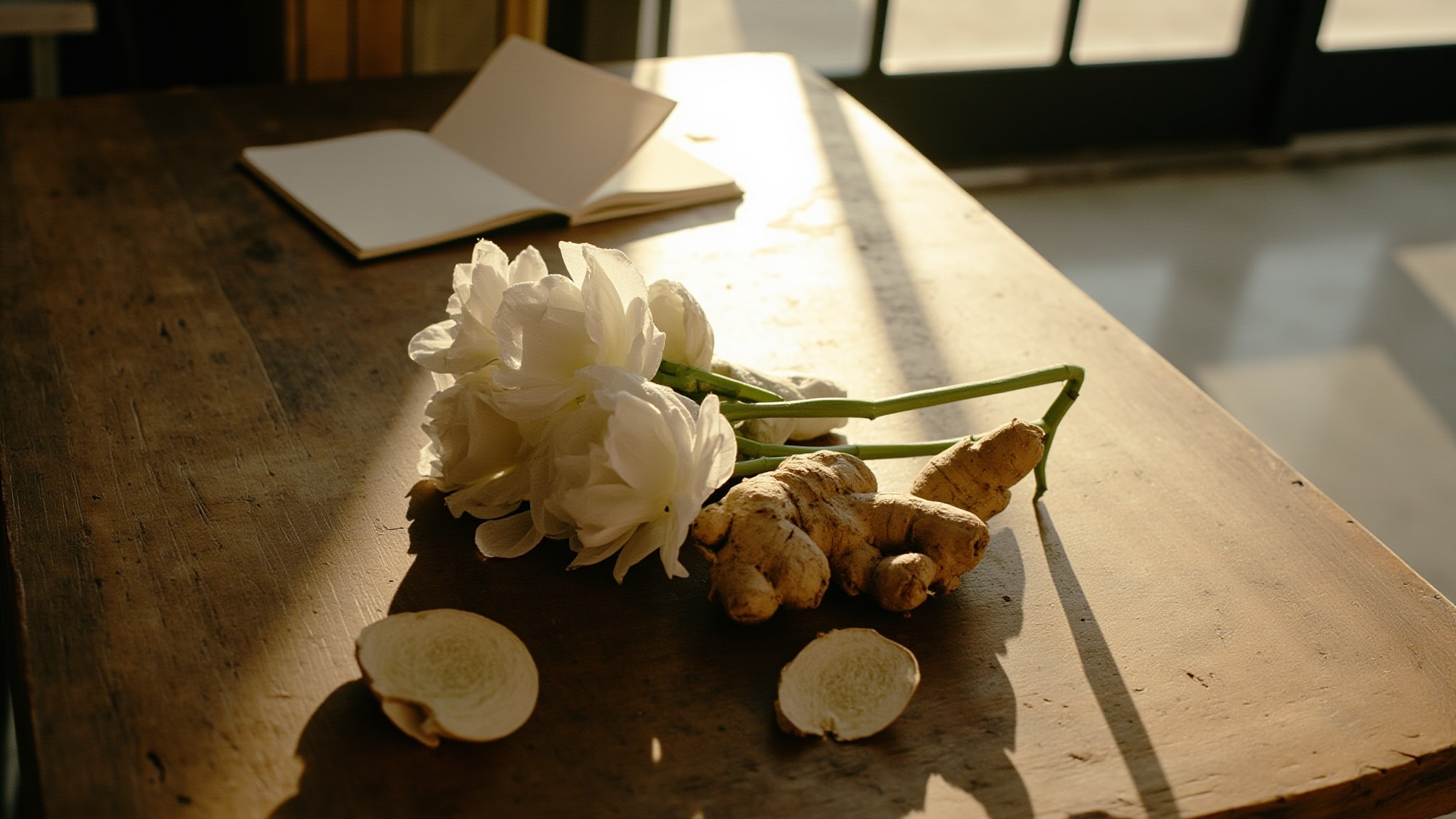
Heroine arrived in 2005, the same year Alexandra Balahoutis opened Strange Invisible Perfumes in Venice, California. The name comes from Shakespeare, a literary anchor that gives the fragrance a weight beyond its modest presence in the catalog. Where many florals settle into safe, pretty territory, Heroine steps into character instead: bold, floral-spicy, a little dangerous in the way a well-cut jacket feels dangerous on a quiet street. The composition reads like a contradiction on purpose: tuberose, one of the most classically feminine flowers in perfumery, framed by the warm bite of ginger and the dry authority of cedarwood. It's a feminine fragrance that doesn't soften itself for approval, and the bones of it show why.
What makes Heroine structurally interesting is the tension between opoponax and tuberose at the same altitude in the composition. Opoponax brings a dark, almost medicinal sweetness, the kind of deep resinous character that reads more like myrrh than anything airy or bright. Tuberose brings creamy, carnal white floral density that fills the space around it. The ginger adds clean heat without sweetness, a sharpness that keeps the tuberose from veering into tropical sweetness or cloying territory.
The evolution
The opening arrives fast and a little confrontational. Ginger slices through first, sharp and immediate, followed almost immediately by the creamy weight of tuberose pulling against opoponax's darker current. That opening phase feels like a conversation between two strong personalities, each pushing back against the other. As the composition settles, the ginger retreats, leaving tuberose fuller in the chest while cedarwood starts building underneath. The drydown shifts the balance considerably. What was floral-spicy at the start settles into warm, resinous wood, the kind of transformation that makes the fragrance feel like two different scents in one bottle. Cedar carries most of the weight through the later stages, its dry, slightly pencil-like character grounding the softer florals as they fade.
Cultural impact
Heroine occupies an interesting corner of botanical perfumery. It launched the same year the house did, and the tuberose-ginger-opoponax combination feels unlike most of what's come to define the genre. The blend leans architectural rather than decorative, building structure out of resin, spice, and white floral rather than relying on sweetness or clean musk to carry the composition. Wearers who find it tend to stay loyal, drawn to the way it refuses to soften its edges for broader appeal.