
The Story
Why it exists.
The beginning
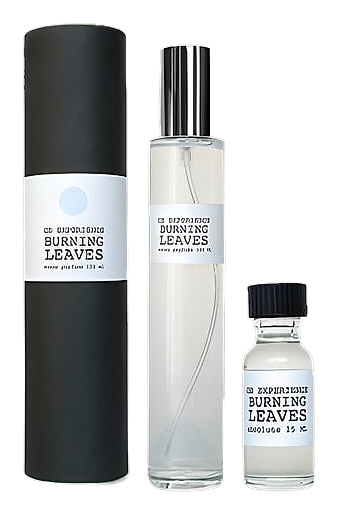
Christopher Brosius conceived Wild Hunt as a scent-map of an ancient forest caught in the heat of a summer afternoon. Brosius, the founder of CB I Hate Perfume, has long favored materials that smell like real life rather than its idealized version. Wild Hunt, launched in 2007, takes this philosophy to its logical extreme by placing Boletus edulis at the center of the composition. The choice of mushroom as a leading note was not ornamental. It was positional. Brosius wanted the wearer to experience the forest floor first, before the canopy, before the view. Oak moss, pine, and grass support that ambition by building a world that smells biologically accurate rather than merely scenic. The fragrance fits CB I Hate Perfume's handcrafted ethos: small batches, handwritten labels, and no interest in making fragrance comfortable for people who prefer their nature pre-landscaped.
The note philosophy behind Wild Hunt is one of ecological honesty. Brosius chose Boletus edulis because it is what lies beneath the trees, the hidden biology that makes a forest a living system rather than a decorative backdrop. Oak moss reinforces this commitment to the forest floor, bringing a specific, measurable mossiness that has been largely removed from modern perfumery due to IFRA restrictions. CB I Hate Perfume operates outside many of those constraints, allowing the material to appear at effective concentrations. The pairing of mushroom with pine and grass creates a vertical contrast: mushroom pulls downward, toward decay and soil, while pine and grass pull upward, toward air and light.
The evolution
Wild Hunt begins in the undergrowth. Boletus edulis emerges first, not as an accent but as a statement, its earthy, slightly animalic presence reading immediately on skin. Grass and green notes cut through with a fresh, crushed quality that prevents the mushroom from feeling heavy in the first minutes. As the fragrance moves into its middle phase, oak moss begins to spread, adding shadow and humidity. Pine and woody notes rise, introducing the aromatic dimension of the forest canopy above. The green notes that opened brightly begin to recede as the deeper woodland character consoli dates. By the time the fragrance settles, the Boletus has not disappeared but rather integrated, sitting beneath the remaining pine and oak moss like a root system you cannot see but can feel. There is no clean exit here. The forest does not let go easily.
Cultural impact
Since its 2007 debut, Wild Hunt has become a cult favorite among niche‑fragrance enthusiasts who prize authentic woodland vibes. Reviewers often compare its raw pine‑grass opening to the legendary Tauer Verdant, while its mushroom heart sets it apart as a true ‘forest‑bomb’. The scent’s unapologetic earthiness has sparked lively debates on forums, cementing its status as a reference point for green‑earth compositions in the indie perfume community.