
The Story
Why it exists.
The beginning
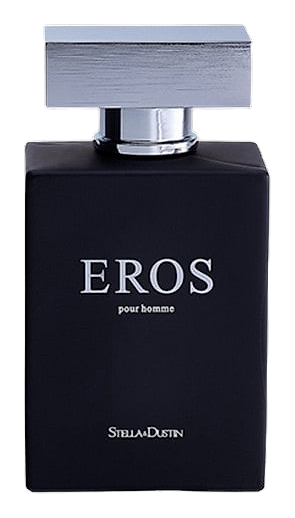
Eros arrived as a straightforward masculine aromatic that didn't apologize for being traditional. Built around a composition that knows exactly what it is and how long it plans to stick around, it leans into woody chypre territory without strutting through the door. The opening pulls from lemon, lime, marine notes, and sage, a combination that announces presence without shouting. There's no flashy top accord designed to sell bottles in the first five minutes. No trendy additions chasing the next wave. Just an honest construction that respects the wearer enough to stay readable. The name says it plainly. Eros isn't subtle about its intentions.
The pyramid runs through top, heart, and base notes, from the bright citrus-marine opening through jasmine, tonka bean, Virginia cedar, and a deeper base of woods, amber, Indonesian patchouli, musk, and sandalwood. That's a deliberately layered structure rather than a stripped-down skeleton. The woody chypre classification grounds the composition in a lineage that values texture and tension between green, floral, and resinous materials. What shapes the experience is the balance between those layers.
The evolution
The opening belongs to lemon, lime, marine notes, and sage, a sharp, clean combination that reads almost bracing, the kind of first impression that fills a room without raising its voice. The citrus brightness lifts the sage's herbal weight, and the marine accord threads a cool, slightly saline thread between them, giving the first minutes a crisp, almost architectural quality. As the opening softens, jasmine and tonka bean begin to surface in the heart, lending a warmer, slightly floral undertone that contrasts with the green sharpness above. Virginia cedar deepens the structure underneath, adding a dry, slightly pencil-shaving character that gives the scent its backbone. The sage lingers here longer than expected, weaving through the woodiness like a thread you keep noticing in the background.
Cultural impact
Eros occupies a specific space as a no-nonsense masculine woody chypre built for daily wear rather than special occasions. Its restrained approach sets it apart from compositions that chase louder, more decorated structures, choosing instead to work within a classical framework that values balance and wearability. Among men's options in its price bracket, it reads as one of the more straightforward aromatic choices, appealing to wearers who want a composition that moves from office hours through evening plans without needing to recalibrate.
The House
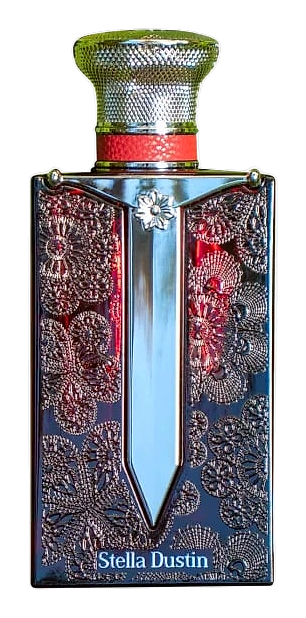
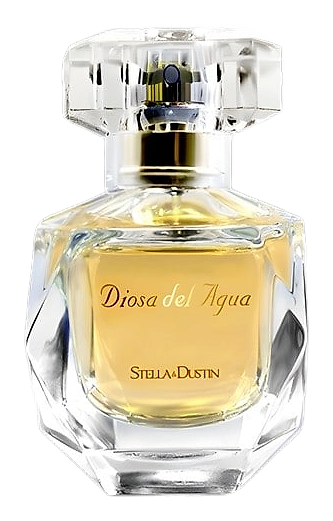
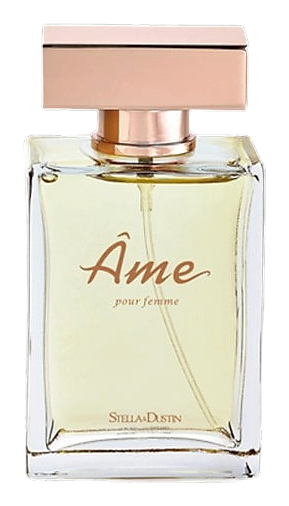
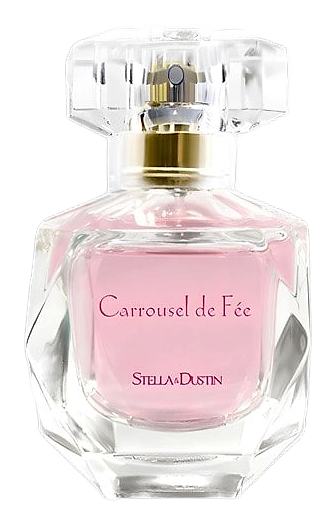
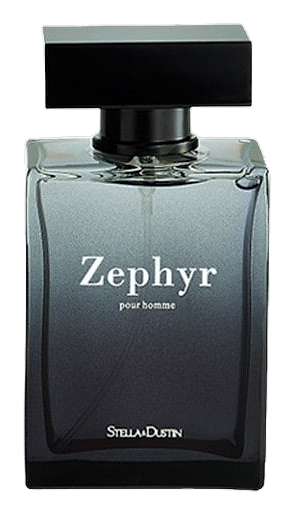
Stella DustinStella Dustin is a fragrance brand that emerged in 2022, offering a curated collection of perfumes spanning from 2012 through 2024. The brand operates at the intersection of original composition and inspired reinterpretation, creating scents that appeal to fragrance enthusiasts seeking both sophistication and accessibility. Its catalog includes notable releases such as San Marino, the 2023 Lumina White, Rosso, and Azzurro, alongside earlier works like Carrousel de Fée (2015) and La Priere (2012). The brand maintains a diverse portfolio covering multiple fragrance families, with releases targeted at both women and men. Stella Dustin has developed a presence in the Brazilian market and beyond, with its Terra Collection representing a significant creative direction. The perfumer behind the brand is reportedly Hugh, whose work spans the brand's entire catalog from its earliest editions to its most recent releases.
The Creator
Hernán FigoliFígoli draws from the lush botanical vocabulary of Brazil while remaining fluent in classical Western perfumery. His fruited florals and warm orientals suggest a man comfortable balancing accessibility with depth.