The Story
Why it exists.
The beginning
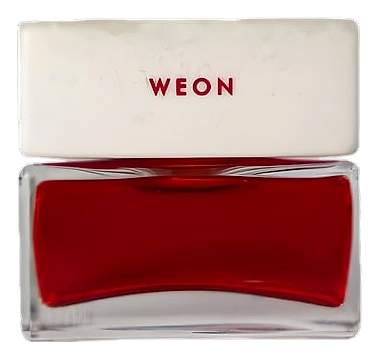
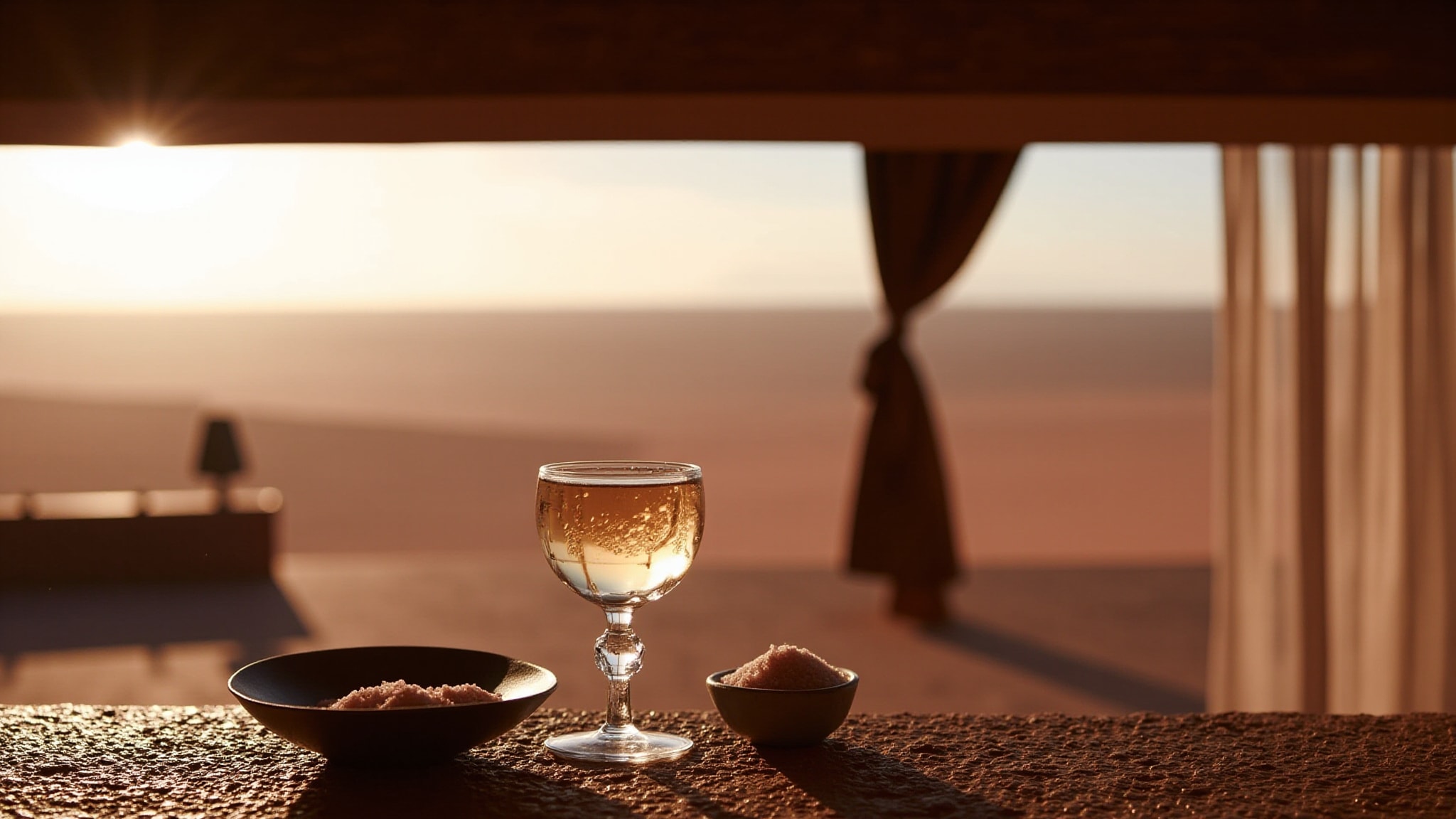
Weon is a hike into Chile's Valley of the Moon, translated through Daniele Muratori Caputo's singular lens. The name itself comes from a Chilean word meaning friendship, roughly the local equivalent of "compà" in southern Italian slang, and Muratori Caputo uses it as a doorway into a landscape most people only see from a distance. The Valley of the Moon sits in the Atacama, where red earth meets lithium-rich subsoil, where receptive phono dishes listen for the primordial sound of the bigbang, and where the altitude forces the indigenous populations to chew coca leaves for energy. It is a place built on spiritual and geological extremes.
What makes Weon structurally unusual is the collision between gourmand and mineral. Ice cream and milk sit in the heart, soft and lactonic, while the base pushes metallic, ozonic, and salty. Copahu balm adds a resinous warmth underneath. This isn't a fragrance that goes sweet-to-dry or fresh-to-warm. It holds multiple registers at once, a chord rather than a melody. Muratori Caputo seems to compose vertically here, layering contradictory textures so they vibrate against each other rather than resolving into a single mood.
The evolution
The first minutes are disorienting. Pisco sour and coca leaves hit sharp and slightly bitter, with a green, almost pharmaceutical edge that reads more cocktail glass than cocktail. Within the opening quarter-hour, the metallic and ozonic notes surface, pulling the temperature down. It feels cold for a moment, the way high altitude air feels cold even under sun. Around the half-hour mark, the ice cream and milk arrive properly, softening everything into a creamy, slightly synthetic sweetness. The mint adds a clean sharpness that keeps it from going sticky. As the hours pass, the vanilla deepens and the copahu balm warms the whole structure from underneath. The drydown settles into salted vanilla over something vaguely mineral, like limestone dust under sweet cream.
Cultural impact
Weon draws its identity from a specific and unusual place, the Valley of the Moon in northern Chile, and that specificity is what sets it apart. The fragrance doesn't lean on crowd-pleasing gourmand tropes or safe fresh compositions. It commits fully to a particular vision of landscape and altitude, and that commitment is what gives it presence. People who encounter Weon tend to engage with it as a transportive object, something that shifts their sense of place rather than simply sitting prettily on the wrist.