The Story
Why it exists.
The beginning
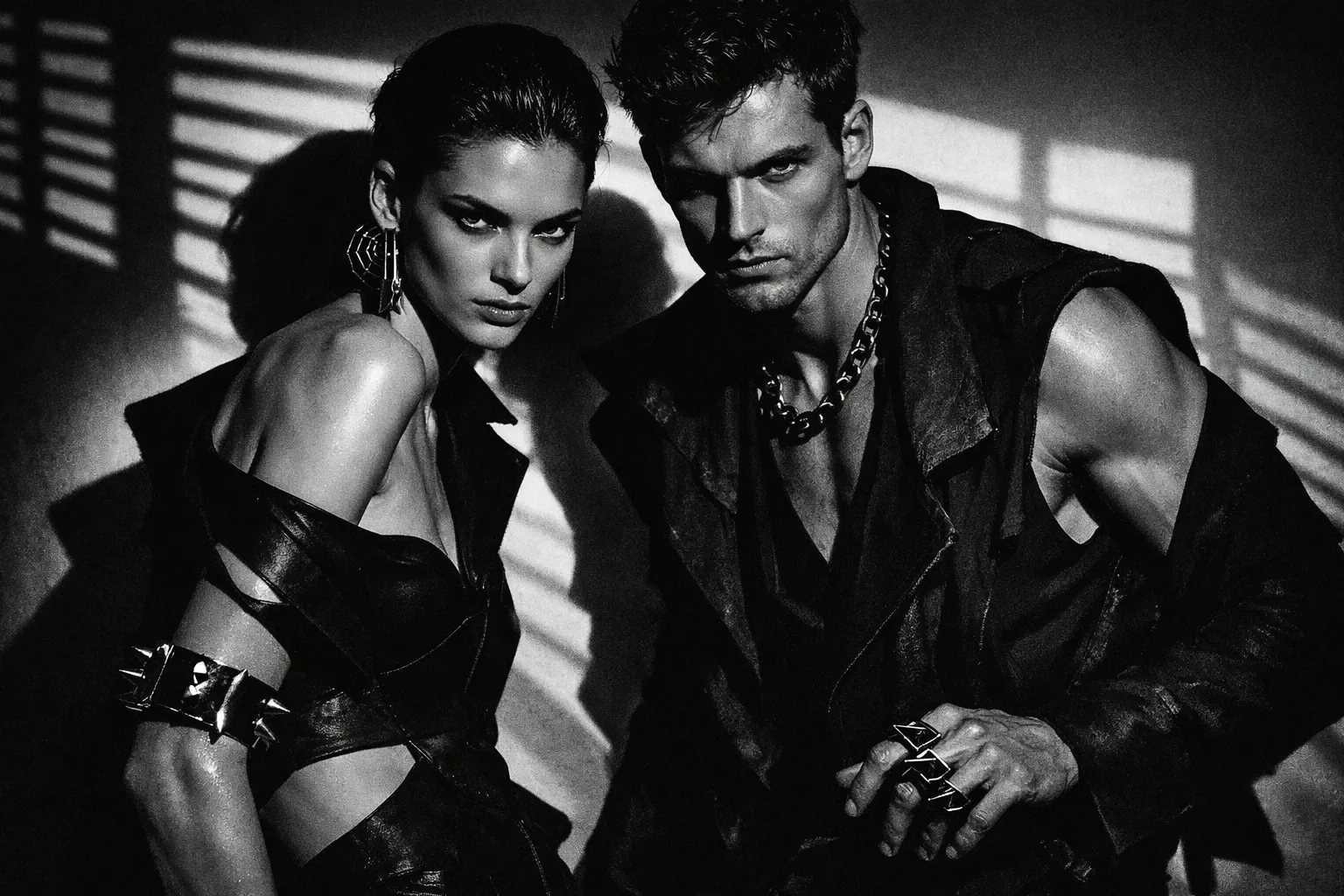
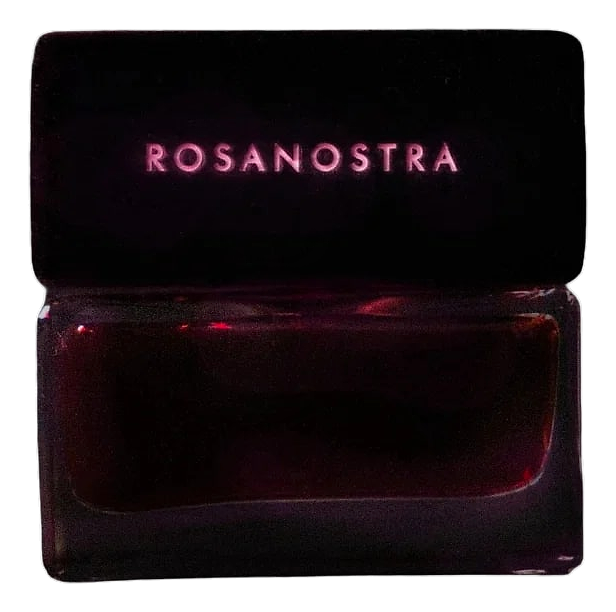
Rosanostra is the work of Miguel Matos, released in 2026 as part of Spiritica's Oscurata Collection. The name itself carries weight: rosa, the flower, twisted into something closer to a warning. The composition takes one of perfumery's most beloved materials, the rose, and surrounds it with the materials most people would never associate with flowers. Blood. Burnt paper. Frankincense. What grows in that gap is a rose that has seen something. There's nothing gentle about the gesture. No softened edges, no apologies for the materials that don't belong in a bouquet. The composition holds its nerve from the first spray to the last trace, refusing to round itself into something comfortable. It's a rose that knows it's been placed somewhere strange and wears that knowledge without flinching.
Damask, Taif, and Rosa centifolia layered together create depth that a single rose can't reach, but pairing them with burnt paper shifts the entire register. The paper note does something specific: it adds the smell of something finished, something already burned. It tells you this rose is not blooming. It's exhaling. The frankincense at the base consecrates the effect. Bitter orange at the top keeps the opening from sinking entirely into darkness. There's light here, but it arrives like a match struck in a cathedral.
The evolution
The first ten minutes are startling. Bitter orange arrives bright and sharp, almost cheerful, cutting through the air with a zest that feels deceptively clean. Then the composition shifts, and the rose begins its slow, deliberate takeover. By the twenty-minute mark, the roses are in command, and they're nothing like the roses in your grandmother's garden. Damask leads with its dense, wine-dark richness, Taif adds depth and complexity, and the centifolia rounds the edges with a powdery sweetness that sits just behind the smoke. The burnt paper weaves through the florals like smoke through stained glass. Two hours in, the roses begin to bow out, and the base opens up. Frankincense rises, resinous and ancient, joined by damp soil, earthy, cold, grounding. This is where the fragrance stops being a rose and becomes something closer to a tomb. Hours later, the scent is still there on the skin.
Cultural impact
Rosanostra operates in a register where rose is no longer a gesture of romance or beauty but a vehicle for something heavier. It reads less as perfume and more as an aesthetic position, one that treats the flower as capable of carrying weight far beyond its traditional associations. The composition takes rose out of the bouquet and places it somewhere stranger, somewhere closer to the gothic, the sacramental, the funereal. For wearers drawn to fragrance as statement rather than accessory, it offers permission to treat rose as something with teeth. The burnt paper and blood accords don't soften the flower. They sharpen it.