Burnt Paper
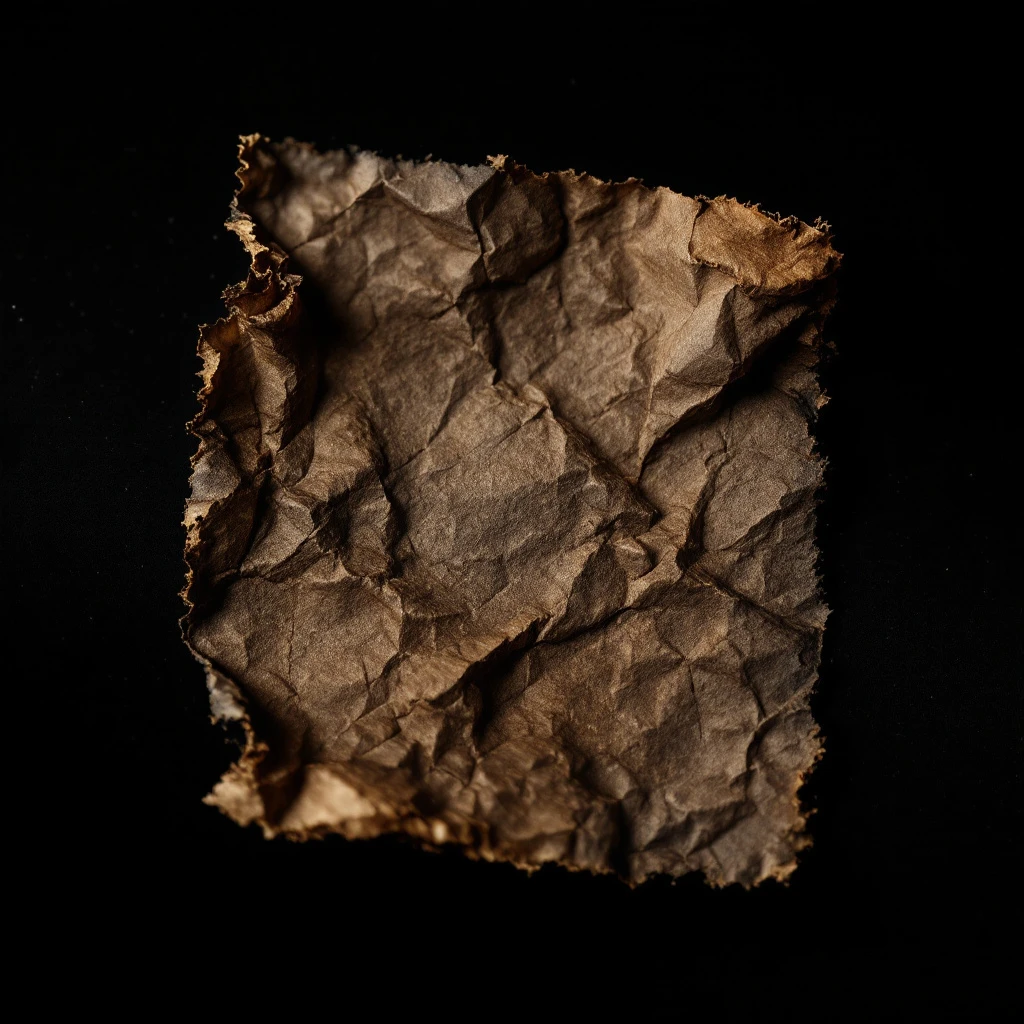
Burnt Paper captures the nostalgic warmth of smoldering edges, scorched fibers, and dry ash. This unconventional accord evokes old letters, libraries, and ritual fires, adding a smoky, mineral texture to fragrances.
Character
How it smells
Ashes, smoke, and forgotten words
Burnt paper notes are almost always reconstructed synthetically, since combusted cellulose yields little recoverable aromatic oil for perfumery.
Pairs beautifully with

Origin
France
The association between paper and ritual burning stretches back centuries. In ancient China, burned offerings of written prayers were believed to carry messages to ancestors, filling temples with fragrant smoke. Similar practices appeared across Buddhist and Taoist traditions, where incense was sometimes burned alongside joss paper.
In the perfumery world, smoky accords gained serious attention in the late 19th century when Auguste Ponsot documented Armenian households burning styrax resin for its sweet, balsamic smoke. This discovery later influenced French perfumers who began incorporating resinous smoke notes into oriental compositions. The modern burnt paper accord emerged as part of a broader late 20th century trend toward atmospheric and photorealistic fragrance storytelling, where perfumers sought to capture intangible experiences like reading rooms, firesides, and abandoned places.
Today, it appears in niche compositions that aim to evoke memory, nostalgia, and the quiet beauty of decay.
Wears it best
Fragrances featuring Burnt Paper
Brands
Brands known for Burnt Paper
Good to know
Questions, answered
The essentials on Burnt Paper in perfumery: how it smells, where it comes from, and how it behaves on skin.
Is burnt paper a natural fragrance ingredient?
No. Burnt paper is a reconstructed accord built from synthetic aroma chemicals and smoke isolates, since real combusted cellulose yields no usable essential oil. Perfumers blend pyrazines, birch tar, and dry woody molecules to approximate the scent.
What does burnt paper smell like in perfume?
It smells dry, smoky, and faintly sweet, with sharp acrid edges of scorched cellulose and a powdery, mineral undertone. The accord often carries hints of old ink, warm ash, and the quiet closeness of a library after a fire.
When was burnt paper first used in perfumery?
Burnt paper as a distinct accord appeared in niche perfumery in the early 2000s, though smoky resin burning for fragrance dates back to 19th century Armenian households documented by Auguste Ponsot in his travels through the region.
Which chemicals recreate the smell of burnt paper?
Perfumers typically combine pyrazines for sharp scorching notes, guaiacol for sweet smoke, birch tar for depth, and cashmeran for dry papery warmth. Iso-E-Super and orris concrete add woody and powdery facets that complete the illusion.
Is burnt paper safe to wear as a fragrance?
Yes. Commercially used burnt paper accords consist of skin-safe synthetic aroma chemicals at regulated concentrations. The reconstruction avoids actual combustion byproducts, which can contain irritating or carcinogenic compounds.
What types of fragrances feature burnt paper notes?
Burnt paper appears most often in niche and artistic perfumery, particularly in smoky, woody, and atmospheric compositions. It also surfaces in avant-garde orientals and dark gourmands seeking unusual, textural backdrops.
Does burnt paper relate to traditional incense burning?
Indirectly. The accord draws inspiration from ancient incense rituals, particularly the burning of resins like styrax and benzoin, which produce sweet, balsamic smoke. Burnt paper captures a drier, more austere interpretation of that same pyromaniacal tradition.
Can burnt paper notes be extracted from real paper?
No practical extraction exists. Burning paper produces inconsistent volatile compounds in tiny amounts, making it commercially unviable. Synthetic reconstruction remains the only reliable method for achieving a stable, reproducible burnt paper accord.