The Story
Why it exists.
The beginning
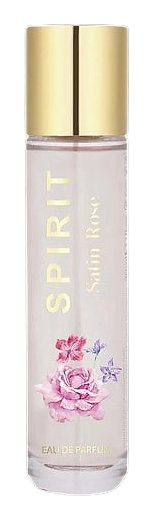
Satin Rose entered the Spirit catalogue in 2026, joining a house that works in the space between mood and scent. The name does double duty. Satin is a texture, a word that implies something draped, second-skin, close to the body. Rose is the vehicle, but the feeling is what matters. This is a composition built for the moment the evening tips from public to private, when softness becomes the whole point. Where many rose fragrances stay in the realm of formal floral, Satin Rose leans into a warmer, more intimate register. The pink pepper in the top adds a soft sparkle that prickles just enough to wake the skin before the sweetness arrives. Brown sugar gives the opening that edible edge, the kind of warmth you associate with kitchen air and late afternoon light.
What makes Satin Rose structurally interesting is the brown sugar note sitting in the top alongside bergamot and grapefruit. Sugar arrives first, and the rose inherits that sweetness rather than defining it. That inversion changes the entire arc. Tuberose adds a creamy, almost coconut-edged weight to the heart, so the rose never reads as sheer or old-fashioned. The florals feel generous and modern, grounded by the softness of vanilla and the dry hum of cedarwood underneath. Patchouli weaves through the base, adding depth without pulling the composition into anything dark or heavy.
The evolution
The opening is almost edible. Grapefruit and brown sugar hit the skin like the moment sugar hits a hot pan, citrus oils popping, caramel just starting to turn. There's a bright sweetness underneath, present from the start, holding everything aloft. The rose doesn't rush. It waits until the sugar settles, then opens creamy and full, tuberose softening the edges so the composition feels plush and generous. The heart lingers for hours, a slightly powdery sweetness that sits close to the skin and refuses to project aggressively. As the hours pass, the base takes over almost completely. Amber and vanilla do the heavy lifting, with cedarwood keeping things from going too warm, and vetiver adding a faint green shadow underneath. Musk wraps it all into something skin-like, an almost-sweaty warmth that makes someone lean in rather than step back.
Cultural impact
Satin Rose earns its place through the brown sugar note sitting openly in the top, a choice that pulls the fragrance toward edible, almost gourmand territory without losing its floral center. That structural choice, sugar before flower rather than flower dressed in sugar, gives the composition a distinct personality. The tuberose in the heart adds enough cream to keep the rose from reading as old-fashioned, while the cedarwood and vetiver in the base ground everything in something woody and dry. Musk softens the drydown into something that feels lived-in rather than performed.