    Brand Profile

    Spirit is a niche fragrance house that builds its catalogue around the "Spirit of …" series. Since the debut of Spirit of Man Mystic in 2011…More

    United States

    2

    Fragrances

    3.6

    Rating

    24
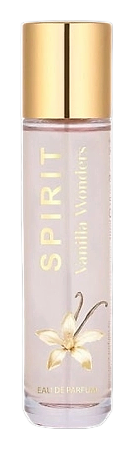
    Vanilla Wonders by Spirit – Eau de Parfum
    New
    3.9

    Vanilla Wonders

    Eau de Parfum

    Spirit of Sensual Desire by Spirit
    3.3

    Spirit of Sensual Desire

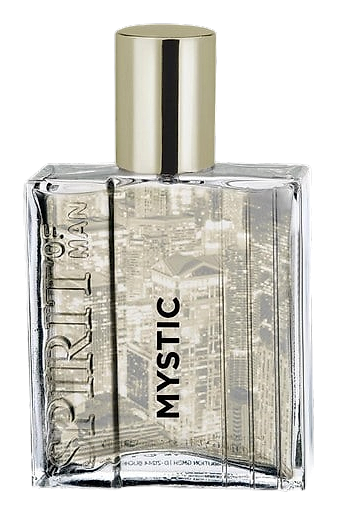
    Spirit of Man Mystic by Spirit
    Best Seller
    4.5

    Spirit of Man Mystic

    Spirit of Man Intense by Spirit
    Best Seller
    4.3

    Spirit of Man Intense

    Spirit of Violet Kiss by Spirit
    Best Seller
    4.3

    Spirit of Violet Kiss

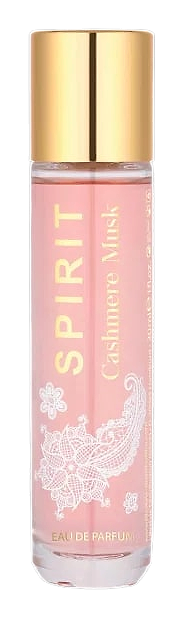
    Spirit of Cashmere Musk by Spirit
    4.1

    Spirit of Cashmere Musk

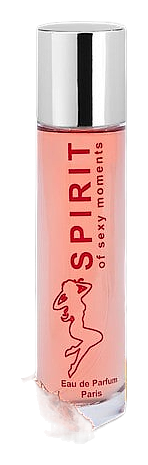
    Spirit of Sexy Moments by Spirit
    4.0

    Spirit of Sexy Moments

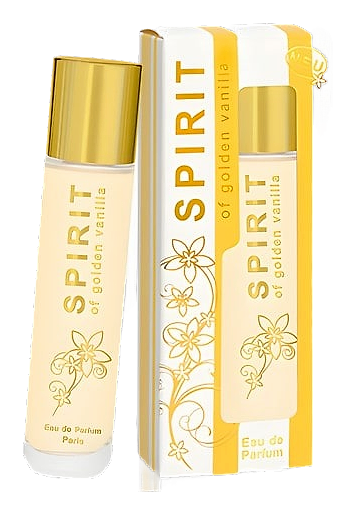
    Spirit of Golden Vanilla by Spirit
    3.9

    Spirit of Golden Vanilla

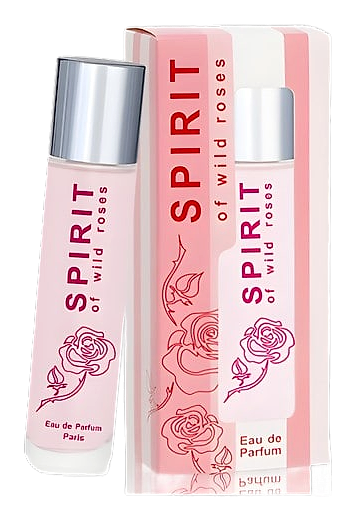
    Spirit of Wild Roses by Spirit
    3.8

    Spirit of Wild Roses

    Spirit of Lovely Flowers by Spirit
    3.8

    Spirit of Lovely Flowers

    Spirit of Joyful Splash by Spirit
    3.7

    Spirit of Joyful Splash

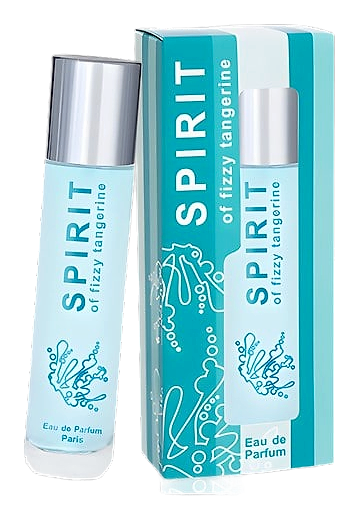
    Spirit of Fizzy Tangerine by Spirit
    3.6

    Spirit of Fizzy Tangerine

    1 of 2

    The Heritage

    The Story of Spirit

    Spirit is a niche fragrance house that builds its catalogue around the "Spirit of …" series. Since the debut of Spirit of Man Mystic in 2011, the brand has released more than a dozen scents that aim to capture fleeting moods, from the soft bloom of Violet Kiss to the warm comfort of Cashmere Musk. Each fragrance is presented in a clear glass bottle with a minimal label, letting the scent speak for itself. The line appeals to collectors who appreciate straightforward storytelling and a balance of natural and synthetic notes, and it has earned a modest but loyal following among online fragrance communities.

    Heritage

    The origins of Spirit trace back to the early 2010s when a small team of fragrance enthusiasts sought to create a line that could be described as both personal and universally relatable. The first public offering, Spirit of Man Mystic, arrived in 2011 and was positioned as a modern interpretation of classic masculine accords, blending citrus, amber, and subtle spice. Two years later, the brand expanded the series with Spirit of Man Intense, a richer version that emphasized deeper woods and a stronger amber heart. By 2015, Spirit introduced its first floral‑focused scent, Spirit of Violet Kiss, which highlighted a violet‑laden heart supported by soft musk. Subsequent releases – Spirit of Cashmere Musk (2017), Spirit of Wild Roses (2019), Spirit of Joyful Splash (2021), Spirit of Fizzy Tangerine (2023) and Spirit of Golden Vanilla (2024) – demonstrated the house’s willingness to explore a broad emotional palette while staying within a cohesive olfactory language. Throughout its development, Spirit has remained independent, avoiding large corporate ownership and maintaining production in small batches to preserve quality. The brand’s modest scale has allowed it to respond quickly to trends in niche perfumery, such as the recent interest in gourmand‑type vanilla compositions and the resurgence of bright, citrus‑driven summer scents. While the exact founding date and corporate structure are not widely documented, the release chronology and consistent visual identity suggest a steady, deliberate growth strategy anchored in the belief that fragrance should be an intimate, everyday experience.

    Craftsmanship

    Production at Spirit takes place in modest facilities that specialize in small‑batch blending. The house sources raw materials from a mix of established European suppliers and ethical farms in regions such as Grasse, France, and the Indian subcontinent. Natural absolutes like cashmere musk and wild rose are combined with high‑purity aroma chemicals such as iso e super and hedione, allowing the perfumers to achieve consistent performance across batches. Each fragrance undergoes a three‑stage testing process: an initial lab evaluation for stability, a blind panel assessment with trained noses, and a final market test with a select group of fragrance enthusiasts. The brand reports that it uses recycled glass for its bottles and opts for aluminum caps to reduce plastic waste. Quality control includes regular GC‑MS analysis to verify the composition of each batch, ensuring that the scent profile matches the original formula. While the brand does not disclose the names of its perfumers, the consistent quality across the diverse "Spirit of …" line suggests a collaborative team that balances artistic intuition with technical precision.

    Design Language

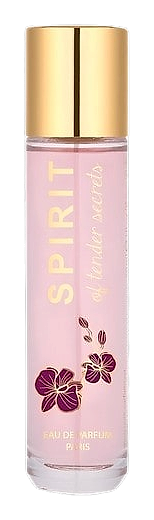
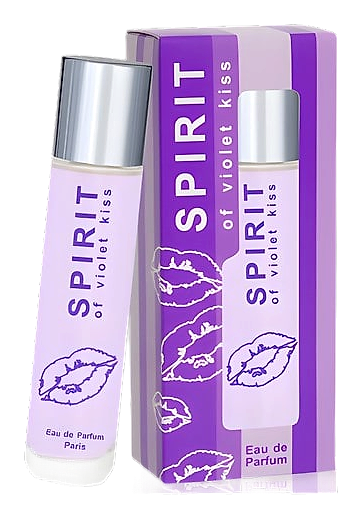
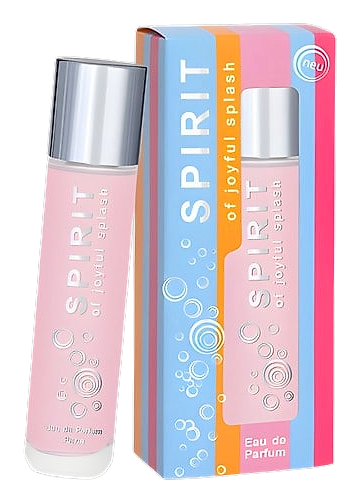
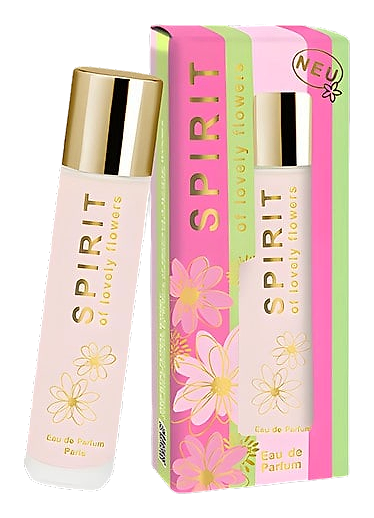
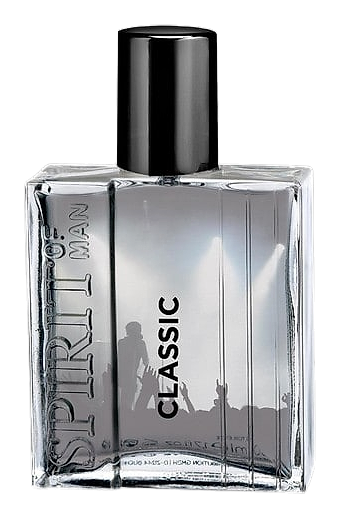
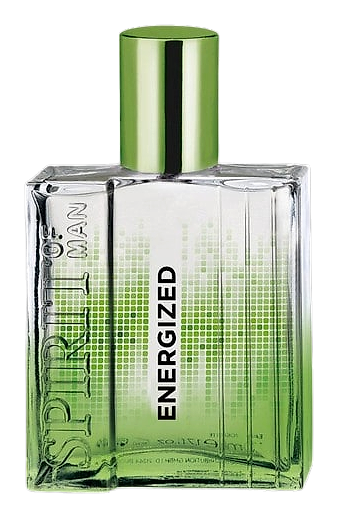
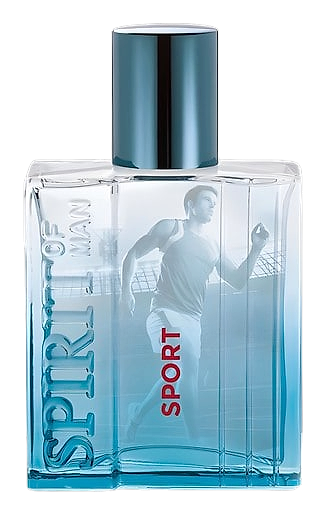
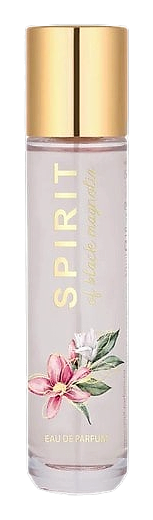
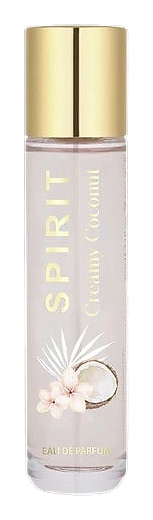
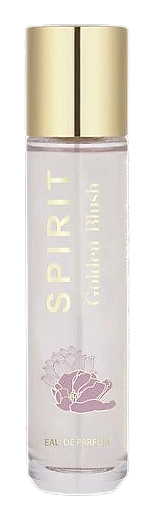
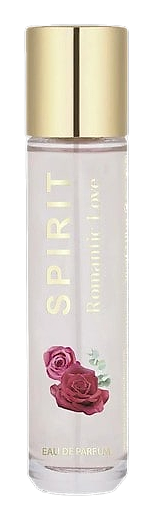
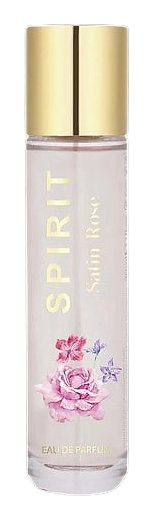
    Spirit’s visual identity is deliberately understated. Bottles are clear, cylindrical, and capped with brushed aluminum, allowing the perfume’s natural color to be the focal point. Labels feature a simple sans‑serif typeface and the name of the scent in lowercase, printed on a matte white background. This minimal packaging reinforces the brand’s philosophy that the fragrance itself should be the star. Marketing imagery often shows everyday scenes – a city street at dusk, a sunlit garden, a cozy living room – rather than elaborate runway settings. The color palette for each scent is derived from its olfactory character: violet‑kiss is paired with soft lavender tones, while golden vanilla uses warm amber hues. Social media posts are curated with clean photography and short, descriptive captions that avoid hyperbole, reflecting the brand’s confidence in the product’s intrinsic appeal. The overall aesthetic conveys a sense of calm confidence, positioning Spirit as a modern, accessible alternative to more ostentatious luxury houses.

    Philosophy

    Spirit’s creative vision centers on the idea that scent can act as a personal soundtrack to daily life. The brand states that each "Spirit of …" fragrance is meant to evoke a specific moment or feeling, whether it is the quiet confidence of a man in a bustling city (Spirit of Man Mystic) or the playful sparkle of a summer afternoon (Spirit of Fizzy Tangerine). Rather than chasing trends, Spirit prioritizes emotional honesty, selecting ingredients that can reliably trigger memory and mood. The house values transparency in its ingredient lists, often highlighting the balance between natural extracts such as violet or rose and modern aroma chemicals that provide stability and longevity. Sustainability is also part of the ethos; packaging is designed for recyclability, and the company works with suppliers who follow responsible harvesting practices. Community feedback plays a role in the development process: limited releases are sometimes adjusted based on comments from fragrance forums, ensuring that the final product resonates with its audience. This collaborative, listener‑first approach reflects a broader belief that perfumery should be approachable, not reserved for an elite few.

    Key Milestones

    2011

    Launch of Spirit of Man Mystic, the brand’s inaugural fragrance

    2013

    Release of Spirit of Man Intense, a richer reinterpretation of the original

    2015

    Introduction of Spirit of Violet Kiss, expanding the line into floral territory

    2017

    Spirit of Cashmere Musk debuts, highlighting soft, skin‑like notes

    2019

    Spirit of Wild Roses launched, featuring a fresh rose heart

    2021

    Spirit of Joyful Splash released, a bright citrus‑aquatic composition

    At a Glance

    Brand profile snapshot

    Origin

    United States

    Collection

    2

    Fragrances released

    Avg Rating

    3.6

    Community sentiment

    Release Rhythm

    2026
    1
    2025
    2
    2024
    1
    2020
    1
    2017
    1
    2013
    2
    2012
    1
    2011
    3

    Did You Know?

    Interesting Facts

    Distinctive details and defining moments that shape the house personality.

    01

    Spirit of Man Mystic was one of the first niche releases to pair citrus top notes with a smoky amber base, a combination that later became popular in the indie perfume scene.

    02

    The brand’s bottles are made from 100 % recycled glass, and the aluminum caps are sourced from post‑consumer material.

    03

    Each fragrance in the "Spirit of …" series is named after an emotion or setting rather than a traditional perfume family, encouraging buyers to choose based on mood.

    04

    Spirit’s online community often participates in blind‑testing events, and feedback from these sessions has directly influenced the formulation of later releases such as Spirit of Golden Vanilla.

    The Artisans

    The Perfumers