The Story
Why it exists.
The beginning
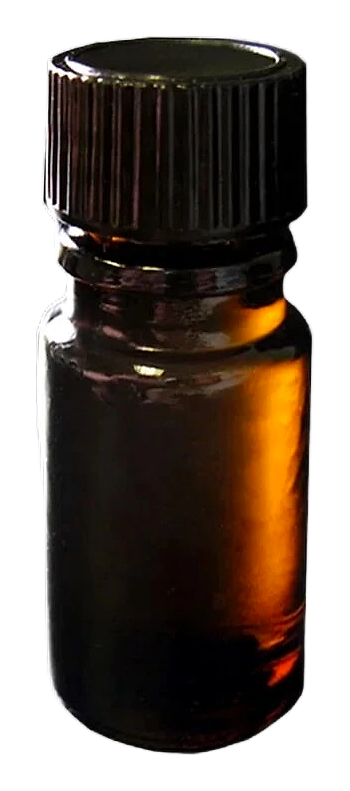
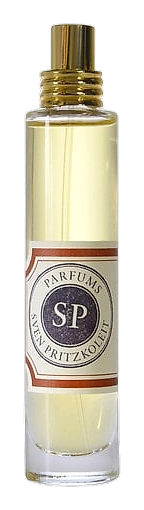
Incense Wood Spirit arrived in 2016 from the bench of Sven Pritzkoleit. Pritzkoleit's path into perfumery sits outside the usual channels, and that difference shows in how his scents behave on skin. The compositions arrive with intention, sometimes confrontational, rarely polite. Incense Wood Spirit sits deep in his catalog as one of his most uncompromising releases. Limited production, the kind of fragrance that doesn't exist to please everyone. It exists to make a specific kind of wearer feel seen. The opening is smoky, almost ceremonial, incense and resin crashing together with a density that demands attention. Beneath that surface, something warmer starts to move, a slow pulse of spice and wood that grounds the brightness. The whole thing reads like architecture rather than decoration.
The composition pulls no punches with its animalic backbone. Civet and castoreum aren't background players here, they're load-bearing walls. The incense notes, myrrh and frankincense both, do the atmospheric work, but the animalics give the composition its pulse, its warmth, its slightly mammalian heartbeat. Woody notes and a whisper of rose keep it from tipping fully feral. The civet brings warmth without soiling, a living heat that you'd recognize instantly if you've ever smelled it in vintage compositions.
The evolution
The first hour is a wallop. Incense and spice arrive loud, almost ceremonial, like walking into a church mid-vespers. Frankincense dominates the opening, sharp and clean, cutting through whatever you wore yesterday. Soon after, the civet starts to surface. Not offensive, not soiled, but unmistakably animal. It warms the composition the way body heat warms a wool coat, slowly, from underneath. The castoreum arrives next, adding that leathery, almost suede-like texture that makes the whole thing feel worn-in rather than applied. The rose comes and goes, a ghost, never fully present but changing the way everything else smells. By the late drydown, the composition has settled into something quiet and dense. The resins sink into the base, leaving smoke and skin in their wake.
Cultural impact
Incense Wood Spirit draws wearers who want their fragrances to have presence, weight, and a point of view. It's not a casual spray. It asks for attention and rewards it. The composition leans on civet, castoreum, myrrh, and frankincense, materials that carry centuries of olfactory history, and it wears them without irony or dilution. Anyone drawn to the heavier end of classic perfumery tends to find something familiar here. The rose softens the edges just enough to keep the whole thing wearable, and the wood notes anchor everything in something grounded and lasting.