The Story
Why it exists.
The beginning
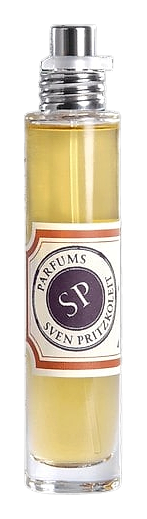
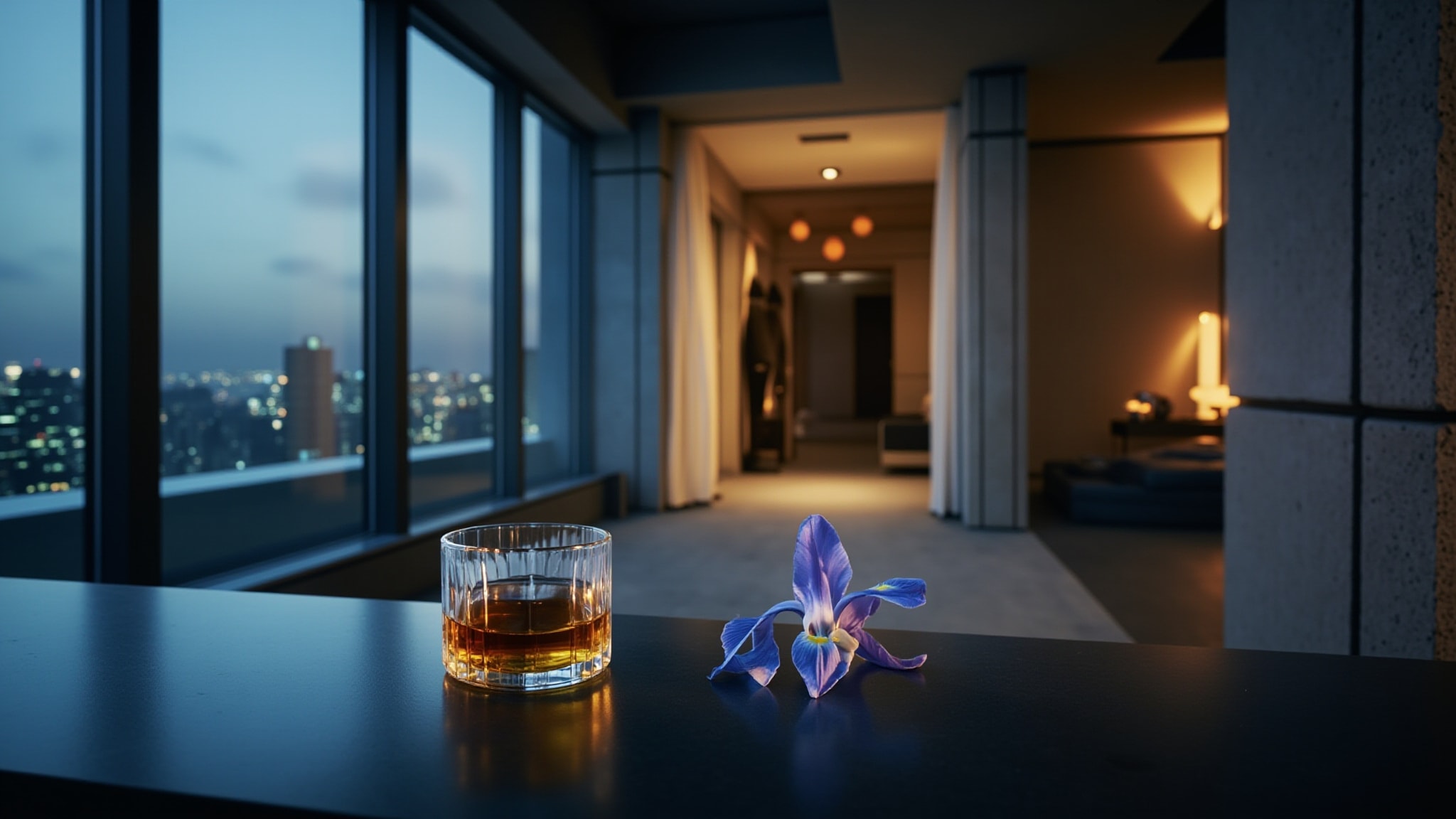
Delirious Iris emerged from Sven Pritzkoleit's interest in making iris work harder than it usually does. The note often plays supporting roles, softening, powdering, bridging. Here it takes center stage with a conviction rooted in years of hands-on experience with fragrance materials. The whiskey and rum in the opening aren't decorative. They're the first sentence of an argument that patchouli finishes. The iris accord itself radiates a cool, metallic shimmer that cuts through the warmth of the spirits, preventing the opening from becoming too heavy. As the alcohol notes recede, the iris deepens, revealing a waxy, almost buttery quality that bridges seamlessly into the heart.
The combination of cactus and violet leaf in the heart is unusual, both bring a green, slightly waxy quality that keeps the iris from becoming purely powdery. Meanwhile, tonka bean threads sweetness through the base without overwhelming it. What could have been a straightforward iris fragrance becomes something with more texture, more resistance. The animalic and earthy accords in the fragrance's profile suggest Pritzkoleit wasn't interested in making iris comfortable. He wanted to make it interesting.
The evolution
The opening arrives bold, rum and whiskey, the kind of warmth that suggests an evening already in progress. This phase doesn't linger. Within twenty minutes, the iris arrives, not delicate but insistent, backed by violet leaf and something waxy from the cactus. The transition isn't gradual. It's a hand-off. The drydown belongs to patchouli and musk, a earthy-animal combination that clings to the skin for hours. The tonka bean appears somewhere in the last act, softening the edges without smoothing them away entirely. On fabric, it holds longer than on skin, patchouli and musk embedded in cloth, detectable the next morning.
Cultural impact
Iris has been a perfumery staple since the 1950s, appearing in countless compositions where it typically softens, powders, or bridges other notes. Delirious Iris takes a different approach by leading with whiskey and rum alongside the iris, creating an unexpected combination that stands apart from traditional iris interpretations. SP Parfums, created by a pharmacist-turned-perfumer, brought an analytical perspective to a category often driven by tradition. The fragrance appeals to those interested in iris as a versatile, complex material rather than simply its well-known powdery facets.