
The Story
Why it exists.
The beginning
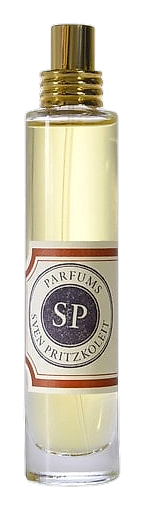
Sven Pritzkoleit spent two decades studying aromatic materials before launching SP Parfums in 2016. He'd been creating perfumes since around 2006, working alone in what he calls a small laboratory, developing each formula start to finish without outside input. Liquorice Vetiver emerged from that long experimental period, a fragrance built around a pairing that most perfumers actively avoid. Both ingredients carry a reputation for being scratchy and polarizing on their own. Together, they amplify rather than soften. The name says exactly what's in the bottle: no marketing camouflage, no softened positioning. Just the two materials that define it, front and center, from first spray to final drydown.
Licorice root and vetiver oil rarely share a bottle. Both materials sit at the edge of comfortable, vetiver for its dry, almost medicinal earthiness, licorice for its sweet anise character that skews medicinal in its own right. Putting them together is the kind of decision that comes from either inexperience or absolute conviction. Pritzkoleit's pharmaceutical background gave him a systematic understanding of how aromatic compounds interact, which may be why he leaned into the tension rather than away from it. The review consensus describes a photorealistic licorice accord with chocolate undertones threading through bone-dry vetiver, this isn't a softened interpretation of either material.
The evolution
The opening announces itself with green, slightly medicinal vetiver. Citruses cut through at the top, but only briefly, the licorice moves in fast, sweet and anise-forward, with a texture that reviewers consistently call realistic rather than abstract. This is not candy-licorice. It's the actual root, pulled from actual earth. Around the mid-stage, the composition shifts. Oakmoss and amber build into the licorice, creating a mossy-chypre density that thickens the air. The chocolate undertones, the detail that keeps appearing in reviews, begin to surface here, sitting just beneath the licorice like a secret. The drydown belongs to vetiver and patchouli, with nagarmotha and labdanum adding a smoky, resinous base that stretches well past the six-hour mark on most skin. What lingers isn't sweet. It's dry, earthy, and close to the skin, the smell of something that stayed.
Cultural impact
Liquorice Vetiver arrived during a period when fragrance enthusiasts were rediscovering vetiver as a central note rather than a supporting element. The combination with liquorice represented a shift toward more unusual gourmand-adjacent interpretations of classic materials. This fragrance appealed to those seeking something that felt both grounded and subtly unconventional, sitting at the intersection of traditional masculine fragrance conventions and emerging preferences for complexity over simplicity. Its reception indicated a growing appetite for fragrances that challenge expectations while remaining wearable.