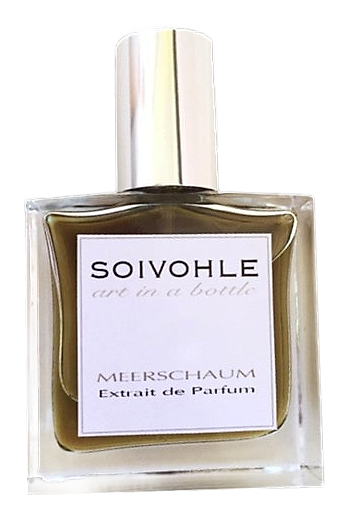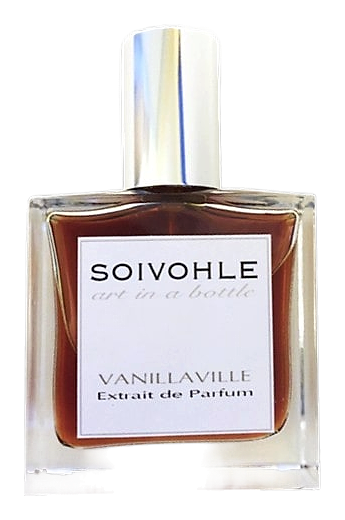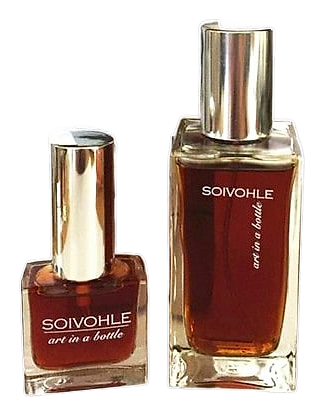
The Story
Why it exists.
The beginning
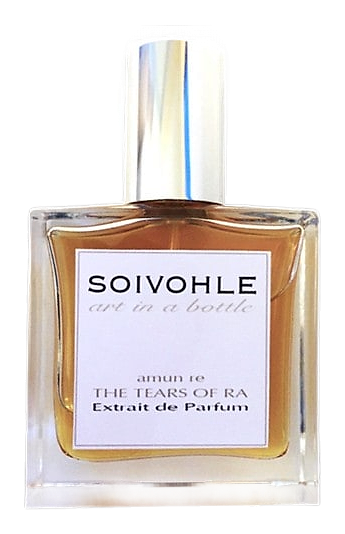
There is no documented launch year or named inspiration behind this composition, so the honest starting point is its contrast: a floral built around herbal brightness rather than lushness. Osmanthus and tuberose bring an unusual, almost sculpted floral character, while basil, mint, ginger, coriander, and cardamom keep the composition moving. Soivohle describes the result as herbal, floral, uplifting, and comforting. Marcco reads less like a perfume asking to be noticed and more like an artwork revealing its angles as you spend time with it. The fragrance belongs to Soivohle, a house whose perfumer is Liz Zorn, and the release sits within a catalog that has built a reputation for unconventional pairings of green, floral, and resinous materials.
The unusual part is the handoff between cool green notes and dense resinous ones. Mint and basil provide a crisp, aromatic edge, while ginger and cardamom introduce heat without making the floral feel heavy. Osmanthus and tuberose sit in the middle of that exchange, floral but not conventionally pretty, followed by vanilla and amber that make the later trail feel warm and close. The exchange between green and resin happens gradually, almost in stages, as if one section of the composition is passing a thread to the next.
The evolution
Marcco opens with a brisk green-spicy impression, where mint, basil, ginger, and coriander create a sense of air moving through herbs. Chamomile and geranium soften the edges, while osmanthus and tuberose bring a floral body that feels more textured than polished. As the fragrance settles, the green character keeps flickering around the warmer base materials. Vanilla, amber, styrax, and Copaiba balsam introduce a slow-building sweetness, while guaiac wood adds a dry woody line and Copaiba contributes a resinous depth that makes the composition feel darker without losing its lift. The result is a slow transformation from sharp aromatic freshness to a soft floral-resin accord.
Cultural impact
Marcco's green, spicy, resinous character places it in a category that appeals to wearers interested in compositions that resist simple floral classification. The fragrance is marketed for women and men, which gives it a flexible position across different wardrobes and occasions. Its combination of herbal brightness, unconventional florals, and resinous base materials makes it relevant for anyone drawn to scents that blend the herbal and the floral into something less expected.
The House
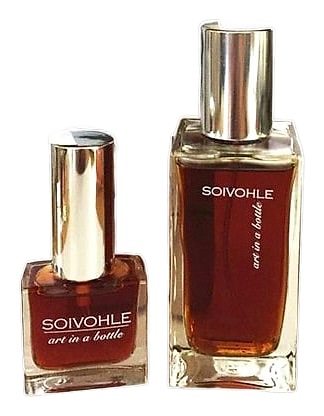
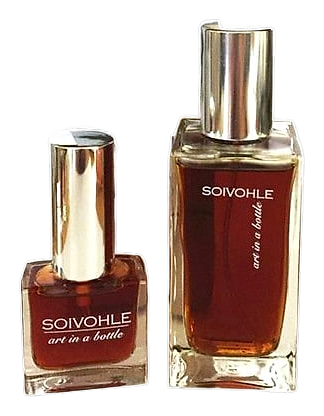
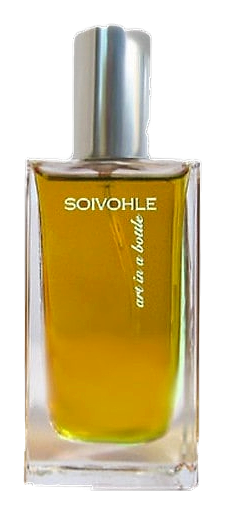
SoivohleSoivohle is an artisan perfume house founded by artist‑turned‑perfumer Liz Zorn. Since 2002 the brand has offered hand‑batched, botanical scents that are cruelty‑free and vegan. Each fragrance is presented as a small work of olfactory art, meant to be explored in intimate doses. Soivohle’s catalog includes titles such as A Rose For Beacon Free, Iris Underground (2017), and Green Oakmoss, each reflecting a balance of modern experimentation and traditional technique.
The Creator
Liz ZornZorn favors natural isolates and raw extracts, often sourcing ingredients from small farms or wild harvests. She builds fragrances in small glass vessels, allowing each addition to settle before the next, a method she describes as “painting with aroma.