The Story
Why it exists.
The beginning
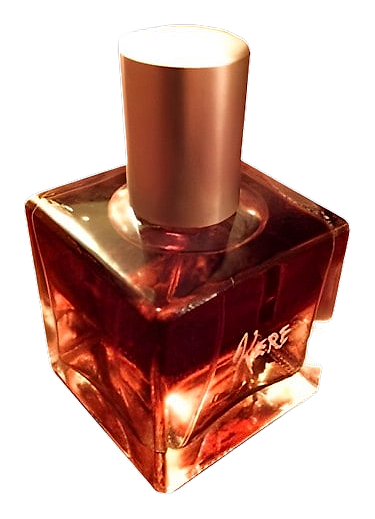
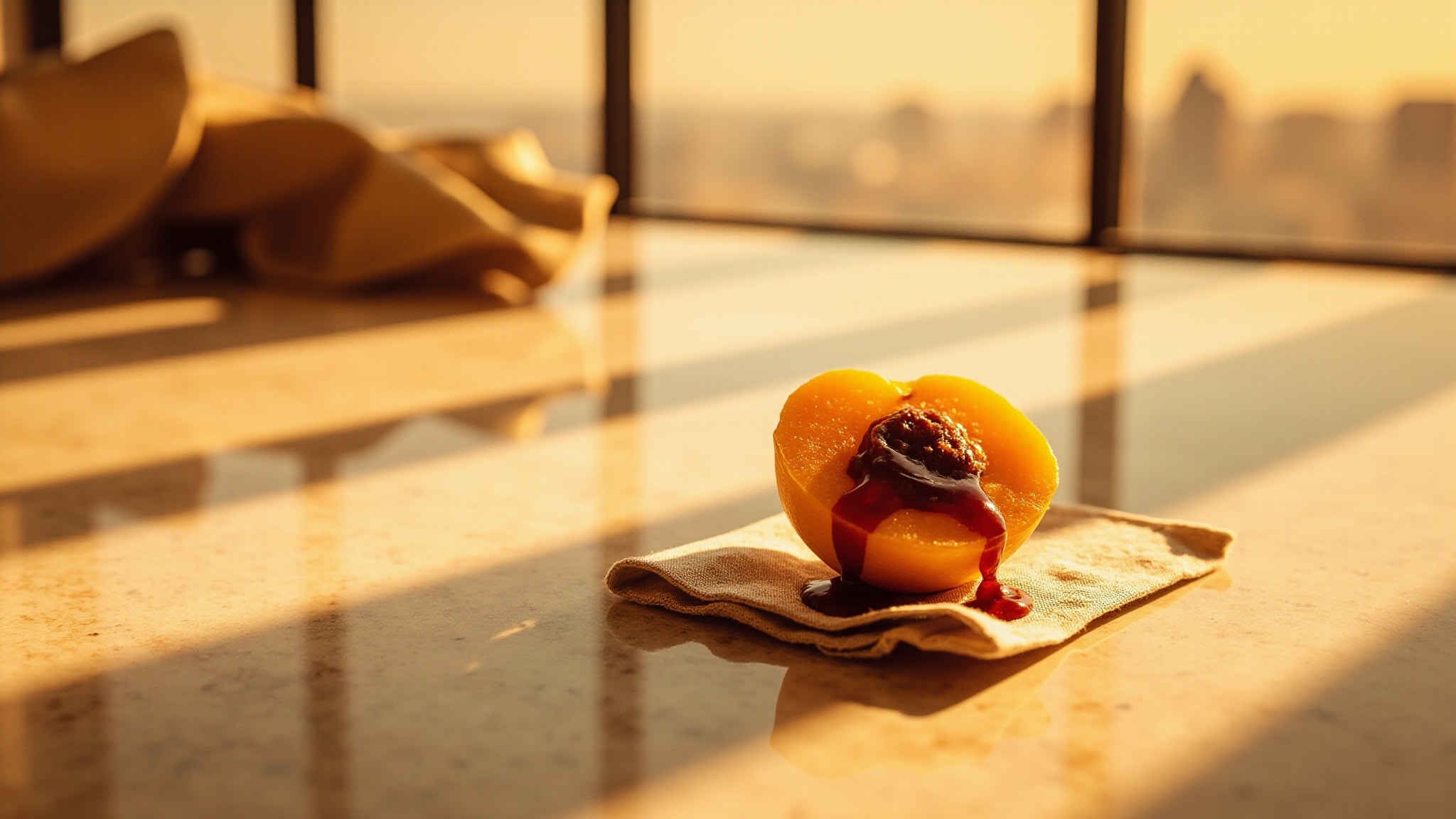
Josh Lobb created Kere in 2011. The name carries an unusual resonance, drawn from a feeling of something found rather than invented. What emerged was a study in contrasts: a perfume built on the tension between sweet fruit and green florals, aldehydic brightness and resinous warmth. Apricot, white chocolate, plum, these could have gone predictable. Instead, Lobb pushed them into unexpected territory with licorice, aldehydes, and a finish of hay and caramel. The apricot arrives soft and slightly tart, almost skin-like rather than overtly fruity. White chocolate lends a waxy, lactonic quality that tempers the stone fruit without veering into confectionery territory.
The aldehydes do unexpected work here. Usually they lift a composition toward sparkle and air. In Kere, they meet licorice, honeysuckle, and hay instead, materials with weight and a faint animalic warmth. The aldehydes don't sterilize the sweetness. They complicate it. White chocolate adds another layer: not confectionery, but waxy, almost lactonic. Together with apricot and plum, it creates a sweetness that doesn't shout. The hay accord grounds everything.
The evolution
The opening arrives bright. Aldehydes cut through the orange and honeysuckle, giving the sweetness an immediate lift. Beneath that brightness, the white chocolate and licorice wait, waxy, dark, present without overwhelming. The apricot comes next, soft and almost candied, followed by plum with its skin-like depth. The heart doesn't explode. It deepens quietly, the fruit becoming richer as the caramel begins to surface. By the drydown, the aldehydes have softened. The white chocolate and apricot fuse into something sticky and warm. Caramel dominates the final hours, with hay and licorice holding on beneath. The apricot lingers too, a faint, slightly fermented sweetness that persists into the next day on fabric.
Cultural impact
Kere appeared in 2011, a period when niche perfumery was still carving out space outside the mainstream. Among collectors, it gained a reputation for its unusual aldehydic-fruity-gourmand structure. The fragrance has since been discontinued, making it increasingly rare to encounter. For those who wore it, the memory lingers: a composition that refused easy categorization, its sweetness tempered by unexpected depth and its quiet presence leaving a lasting impression.