The Story
Why it exists.
The beginning
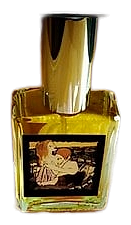
Lavender Honey arrived in 2013 from Monica Skye (also credited as Monica Miller in the community records), the perfumer behind the small American house Skye Botanicals. The brand's whole project is botanical perfumery built around plain, sensory names. Fuzzy Blue Blanket. Snowbird. Amber. Lavender Honey fits that vocabulary perfectly. It tells you what it is before you open the bottle. Monica Skye worked in the early-2010s indie tradition: small batches, direct-to-consumer, natural-leaning materials. The fragrances in the catalog show their maker's hand through ingredient recognizability rather than abstraction. You can smell the chamomile. You can smell the honey absolute. Nothing hides behind a clever marketing name.
The interesting move here is using beeswax as both structural honey-note and skin-warmth anchor. Most fragrances reach for vanilla or tonka to create that golden, close-to-skin quality. Lavender Honey uses beeswax absolute instead, which gives the composition a slightly waxy, slightly animalic edge. It reads less like a gourmand and more like an apothecary jar. The lavender does the expected work, herbal and cooling, but it shares the heart with chamomile, clary sage, and a soft pocket of pink pepper and cardamom. That's where the composition earns its complexity. The spice is never loud.
The evolution
The first fifteen minutes lean herbal and a little sharp. Beeswax and cardamom set a warm-but-not-sweet frame, and the chamomile adds a quiet, almost tea-like bitterness. Honeysuckle and jasmine flicker at the edges, soft enough to register as warmth rather than as floral. By the thirty-minute mark the lavender takes its proper seat in the composition. It's aromatic, slightly cooling, but never enters cologne territory. It sits inside the honey-and-beeswax matrix rather than floating above it. The pink pepper and cardamom have settled into a low hum. Clary sage does its herbal-muscle work underneath. The drydown belongs to the beeswax, vanilla, and labdanum. Tuberose shows up late, lending a creamy, almost narcotic softness. The lavender fades but never fully leaves. What stays on skin into the next morning is a warm, waxy, honey-dusted trail.
Cultural impact
Lavender Honey sits comfortably inside the early-2010s indie perfume scene, where small American houses built direct audiences through blogs, forums, and communities like Reddit's r/Indiemakeupandmore. It reads as the kind of scent someone discovers through a blog recommendation rather than a department-store counter. Wearers who gravitate toward it tend to value material recognizability over projection. It's a fragrance for people who want beeswax and chamomile to smell like themselves, not like an idea of luxury.