The Story
Why it exists.
The beginning
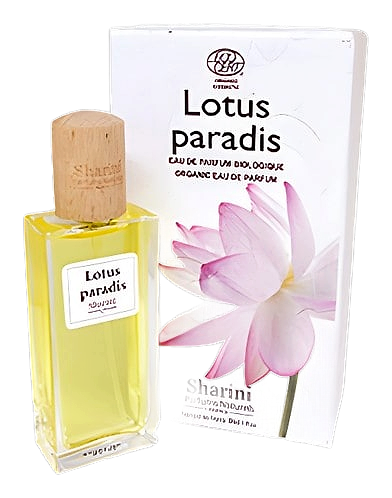
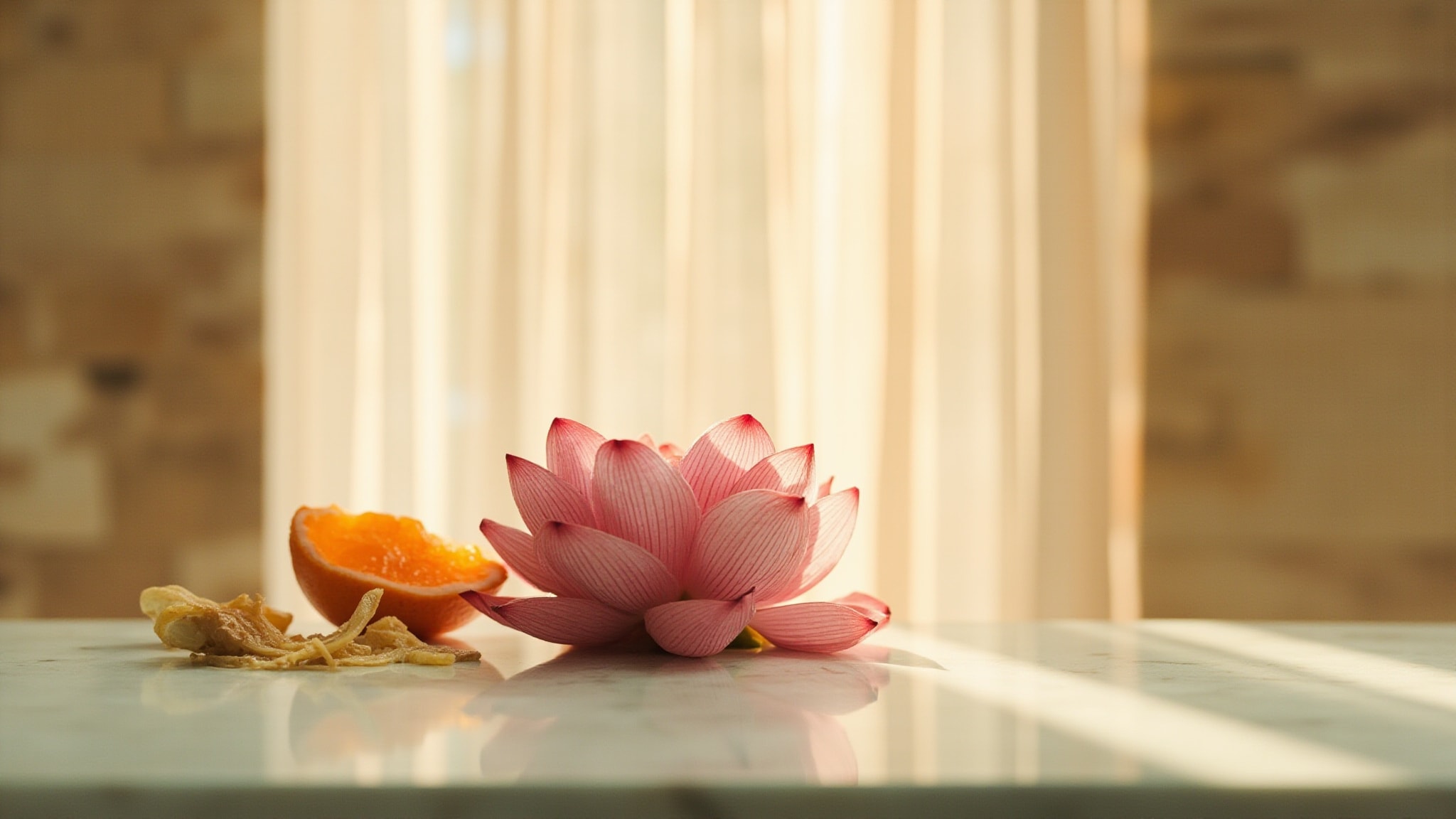
Lotus Paradis was created by Nicholas Jennings. Its name points toward the lotus, a floral material placed at the heart of a composition that also draws from orange blossom and tuberose. The fragrance builds around a deliberate contrast: ginger, bergamot, and grapefruit bring a lively opening, while the floral center softens into cedar, sandalwood, musk, vanilla, and vetiver. The opening notes create brightness and spice before the lotus and orange blossom give the composition a creamy floral character. Tuberose adds a dense, almost powdery texture, while vanilla and musk soften the drydown with warmth. Cedar and sandalwood contribute structure and a smooth woody facet, balanced by the earthy depth of vetiver.
The unusual part is the handoff between materials that usually resist one another. Ginger and grapefruit bring clean heat and fruitiness, but lotus and orange blossom turn the composition creamy rather than simply bright. Tuberose adds a more sensual floral edge, while vetiver keeps the flowers from becoming ornamental. Cedar, sandalwood, musk, and vanilla gather the whole structure into a smooth woody base. It's a familiar floral-woody architecture, but the opening gives it enough friction to feel composed rather than predictable.
The evolution
At first, ginger, bergamot, and grapefruit arrive with a clean, sparkling edge. Bergamot brings a polished brightness, grapefruit adds tart fruit, and ginger places a precise pinch of spice at the center, giving the opening a lively tension rather than a generic citrus burst. As these notes recede, lotus, tuberose, and orange blossom take over. The composition becomes creamy and powdery, with the ginger often reading as a warm trace beneath the florals. The lotus gives the heart a smooth, rounded quality, while orange blossom contributes a soft, fresh floral lift. Tuberose deepens the arrangement with a denser, more intimate texture, making the middle feel polished yet gently enveloping. During the drydown, cedar, sandalwood, musk, vanilla, and vetiver settle the scent into a smooth, lightly woody base.
Cultural impact
Lotus Paradis belongs to a quietly personal register of perfumery. Its appeal lies in a specific kind of polish: ginger, bergamot, and grapefruit open the composition with brightness and a measured hint of spice before lotus, tuberose, and orange blossom unfold into a creamy floral heart. The later notes of cedar, sandalwood, musk, vanilla, and vetiver give the scent a warm, tactile finish, balancing softness with dry woods. This measured progression makes the fragrance rewarding to explore, revealing different facets as the opening settles and the floral center gives way to a close, lingering vanilla-musk warmth.
The House
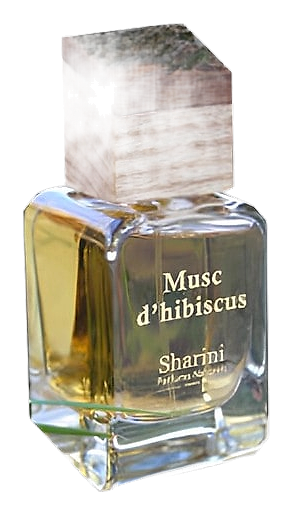
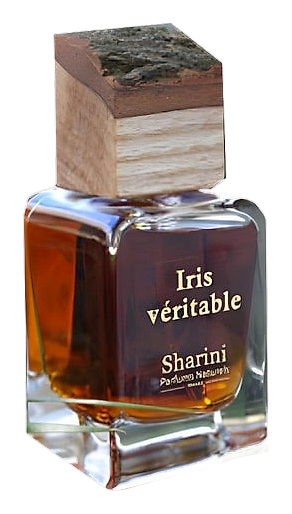
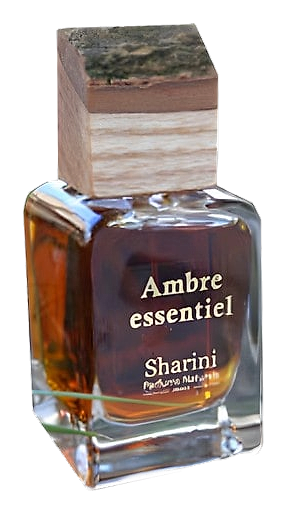
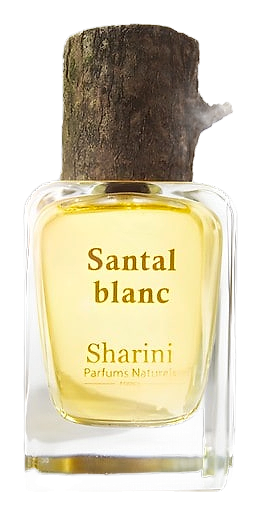
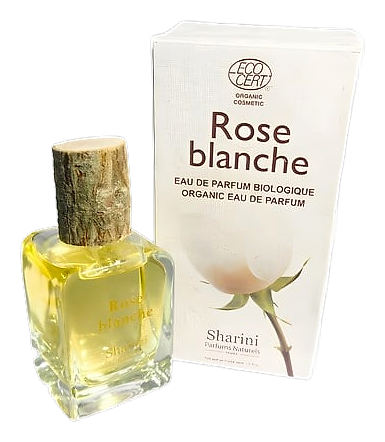
Sharini Parfums NaturelsSharini Parfums Naturels is a small independent perfumery based in Saint-Guilhem-le-Désert, a medieval village in the South of France. The house was founded by Nicholas Jennings, who composes and produces each fragrance himself using exclusively natural raw materials. The brand's catalog centers on a collection of extrait de parfum launched in 2016, with compositions like Reve Polynesian, Ambre Essentiel, Rose Blanche, Iris Veritable, and Lotus Paradis that draw on botanical and floral sources from across the Mediterranean and beyond. Operating from a personal workshop rather than an industrial facility, Sharini positions itself as one of the more quietly distinctive artisan perfumeries to emerge from the Languedoc region in recent years.
The Creator
Nicholas JenningsJennings favors organic and natural materials, creating fragrances in small batches from carefully selected aromatics. Traditional incense informs his palette, bringing an emphasis on nuanced textures and the slow evolution of plant, resin and wood notes.