The Story
Why it exists.
The beginning
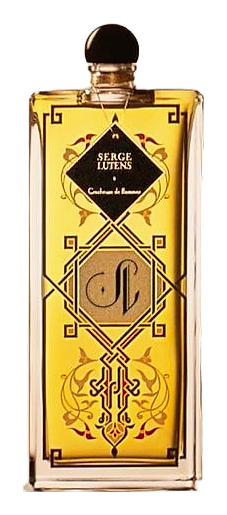
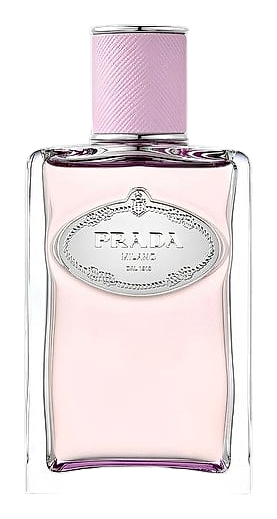
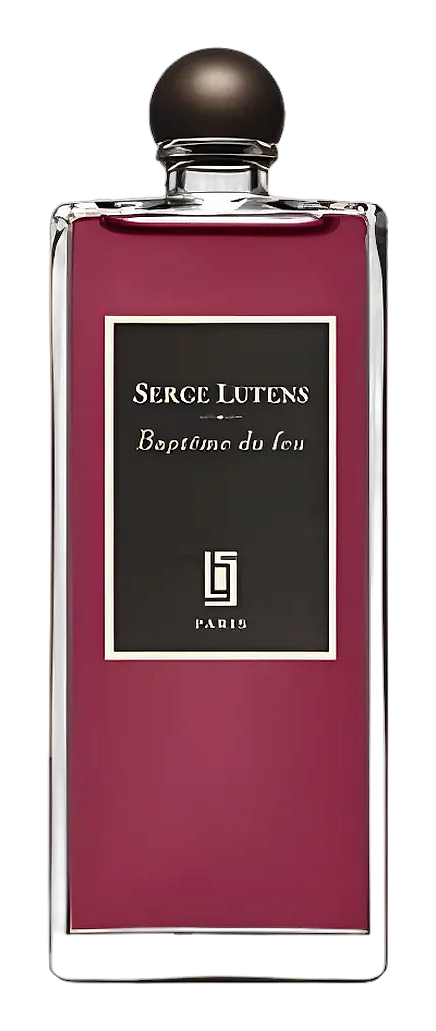
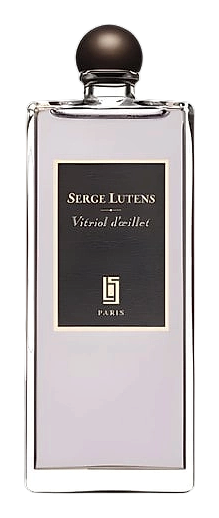
Vitriol: historically, a caustic compound. A substance that burns. Serge Lutens named this fragrance accordingly. This is not the soft, powdery carnation of garden florals, this is the version that bites back. Released in 2011, Vitriol d'œillet arrived in the Lutens catalog as a counterpoint to the gentler Infusion d'Oeillet from Prada. Where that interpretation offered carnation's quiet elegance, Lutens chose to emphasize its thorns.
Working with Christopher Sheldrake, Lutens built the composition around a deliberate tension, warm and cool, floral and spice. Carnation's natural spiciness is amplified by clove and pink pepper, while ylang-ylang introduces a creamy counterweight. The result is a warm spicy floral that resists easy categorization, neither fully Oriental nor purely floral. That tension between opposing notes is what makes it unmistakably a Serge Lutens fragrance.
The evolution
The opening announces itself with force. Pink pepper, clove, and a trace of paprika arrive together, a sharp, almost aggressive burst that can catch you off guard if you're expecting carnation to emerge gently. Many find this initial confrontation the fragrance's most memorable phase. Within minutes, the florals begin to surface, and the sharp edges begin to soften. Carnation takes over the heart, fuller and warmer, supported by ylang-ylang's cream and a subtle presence of lily and nutmeg. The middle phase is where the fragrance earns its reputation, the warm floral warmth that Lutens does better than almost anyone. As the drydown approaches, the florals recede and the composition settles. The spice doesn't disappear, it fades into something quieter, powdery, and intimate. Carnation and clove linger closest to the skin, warm and restrained. On most skin types, this fragrance lasts a full workday, though on drier skin the fade can be faster or take on a slightly medicinal quality in the late stages.
Cultural impact
Vitriol d'œillet has found its audience among those who see fragrance as autobiography rather than social currency. The reception is divided, fitting for a Serge Lutens fragrance, but those who connect with it tend to connect deeply. Wearers describe it as the scent of someone who understands that elegance and edge are not opposites.