The Story
Why it exists.
The beginning
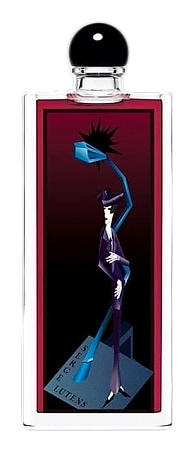
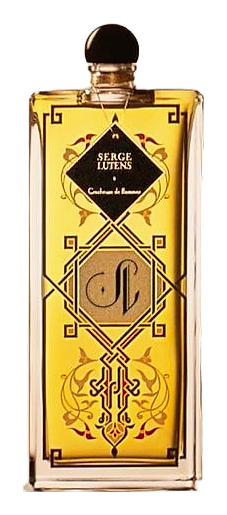
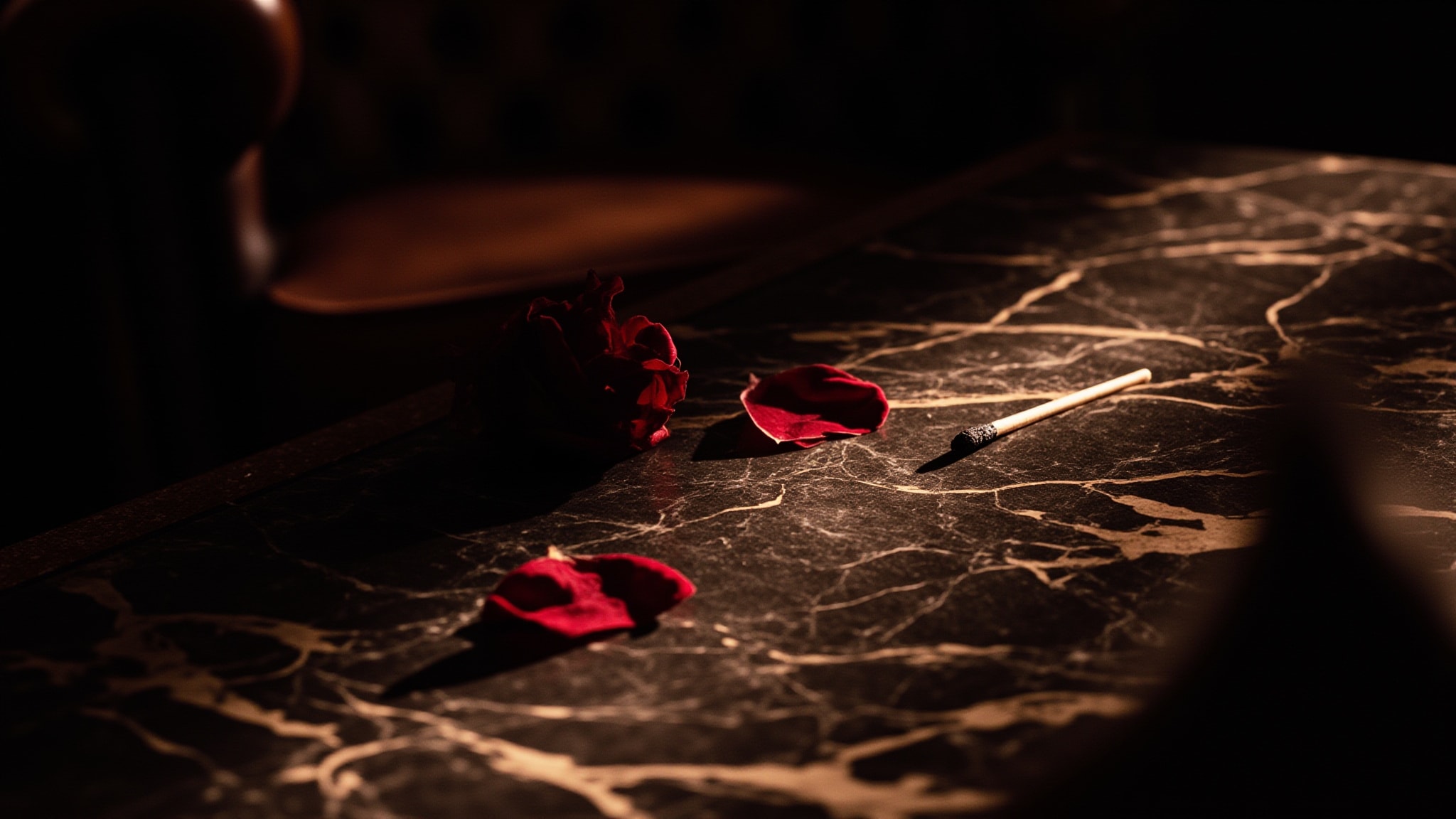
Cracheuse de flammes, the flame-spitter, takes its name from the woman who doesn't ask permission. Serge Lutens and Christopher Sheldrake built this around a Damask rose that refuses to be merely beautiful. It's floral, yes, but tempered by Russian leather and lifted by musk into something that lingers where it wasn't invited. Released in 2025 as part of the Royaume des Lumières collection, it revisits the Section d'Or lineage with sharpened intent. The name itself is the concept: someone who holds the match, who knows the damage she can do, and does it anyway.
What makes this composition unusual is the way the leather doesn't hide beneath the rose, it interlaces. Russian leather carries a certain coldness, a mineral quality that prevents the florals from becoming decorative. The musk doesn't sweeten the deal; it deepens the animalic register. Together, these three materials create a scent that feels more like armor than perfume. Three notes. Far fewer than most compositions use. Far more than most compositions achieve.
The evolution
The opening is pure Damask, bright, almost sharp, with the clean bite of freshly cut stems. Within minutes, the leather arrives, not as a base but as a counterweight. The rose doesn't disappear; it settles into the leather the way color settles into fabric. The drydown is where it earns its name: a low, persistent warmth that doesn't flicker out. There's a lingering quality to this composition that rewards patience, the rose and leather slowly deepen, intertwining in a way that feels both natural and deliberate, as if the materials have always belonged together and are simply rediscovering their connection.
Cultural impact
Serge Lutens has long occupied a singular position in fragrance culture, presenting perfumes as confrontational art rather than mere luxury goods. Cracheuse de flammes, released within the Royaume des Lumières line, continues this tradition of provocation, challenging wearers with its bold rose and leather combination that refuses to be merely decorative or safe. The work presents fragrance as something that demands engagement rather than passive appreciation, inviting the wearer into a sensory proposition that doesn't apologize for its intensity or complexity.