The Story
Why it exists.
The beginning
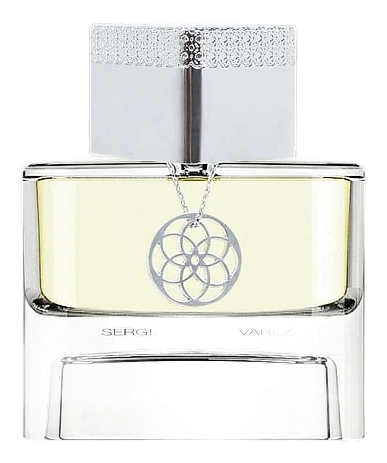
Rouge No Limit arrived in 2016 from Serge Louis Alvarez. No named perfumer is disclosed for the release, but the composition itself makes its intent clear. Incense and saffron create a dark, aromatic opening, combining resinous smoke with a metallic, warmly spiced accent. Jasmine and artemisia introduce white floral brightness and a fresh herbal edge, preventing the opening from feeling entirely shadowed. The base builds an opulent trail of vanilla, sandalwood, oud, Haitian vetiver, guaiac wood, musk, and tonka bean. Together, the materials move from dry smoke to polished spice, then into softened wood and warm sweetness, giving the fragrance a rich progression rather than a flat, single-note character.
The striking part is the collision of smoke and softness. Incense gives the opening gravity, saffron adds a metallic spice, and jasmine keeps the composition from becoming one-dimensional. Artemisia brings an herbal edge into the heart, sharpening the floral brightness with a cool, aromatic quality. Below them, vanilla and tonka bean supply warmth and rounded sweetness, while sandalwood, oud, guaiac wood, and Haitian vetiver turn the base woody and smoky. Musk rounds the structure without stripping away its depth.
The evolution
The opening begins with incense and saffron, a dry meeting of smoke and spice. It feels immediate and ceremonial, with saffron lending a polished metallic flash to the darker incense. As the first minutes pass, jasmine rises into white floral brightness, but artemisia keeps it from turning airy. The heart becomes a tense balance of glowing petals, aromatic herbs, and residual smoke. Then the base arrives in full: vanilla and tonka bean soften the wood, while sandalwood, oud, Haitian vetiver, and guaiac wood add depth, dry grain, and a faint mineral smoke. Musk smooths the edges without erasing the contrast. As the scent settles closer to the skin, it leaves a warm, woody trace that feels like smoke caught in velvet.
Cultural impact
Rouge No Limit brings the visual charge of a red name to a composition defined by strong contrasts. Its incense-and-saffron opening is dark and aromatic, followed by the luminous presence of jasmine and the herbal clarity of artemisia. The base develops into an oriental woody trail of vanilla, sandalwood, oud, Haitian vetiver, guaiac wood, musk, and tonka bean. Warm sweetness softens the smoke and spice, while the woods give the fragrance depth and structure. The result is a scent suited to those drawn to perfumery as a form of self-styling, balancing seductive warmth with a distinctly smoky, refined character.