
The Story
Why it exists.
The beginning
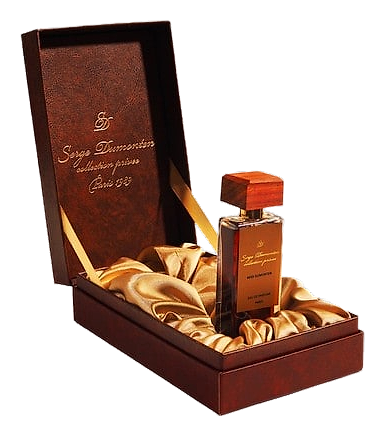
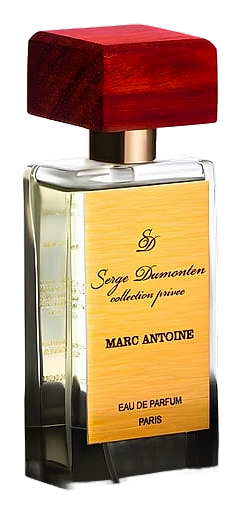
Marc Antoine arrived in 1997, a year after Serge Dumonten's house emerged, and belongs to a name-led world built around figures from French arts and culture. That context gives the fragrance a distinctly personal, almost theatrical frame without giving its notes away. Its declared Aromatic Fougere accord points to a clean aromatic idea, while the floral heart keeps the result from becoming merely tidy. The result is a study in polished contrast, built for someone who likes elegance with a little edge.
What makes Marc Antoine worth examining is the handoff from cool blue lotus to orange blossom, jasmine, tuberose, and frangipani. The first note gives the composition its composure; the heart adds white heat and texture, especially through tuberose's fuller floral character. White grape and white musk then bring a clean, softly polished finish. It is an aromatic fougere shape with the floral volume turned up, a little less predictable than the category's usual clean swagger.
The evolution
Marc Antoine begins with blue lotus, a cool aquatic floral note that gives the opening a glassy, almost weightless lift. The heart follows with orange blossom, jasmine, tuberose, and frangipani, bringing warmer white petals and a more sensual body. As those flowers settle, white grape adds a pale fruitiness while white musk creates the final clean, soft-focus finish. The arc moves from cool and polished to creamy and quietly intimate. It stays near the skin, leaving a neat floral trace rather than a loud room-filling statement, and its understated elegance is respected by enthusiasts.
Cultural impact
Marc Antoine sits in Serge Dumonten's early, name-led catalogue, where fragrance titles carry a sense of personal and cultural reference. Its aromatic fougere profile places it in a polished masculine tradition, while the pronounced white-flower heart gives it a more expressive, romantic register than a purely utilitarian clean scent.