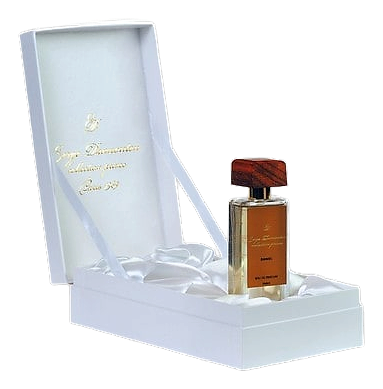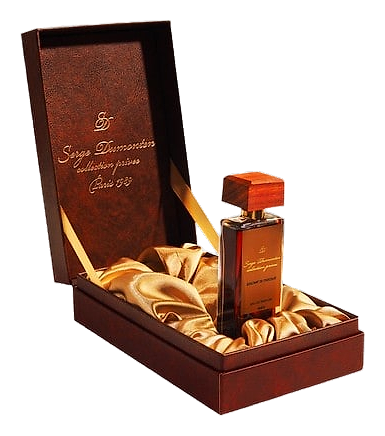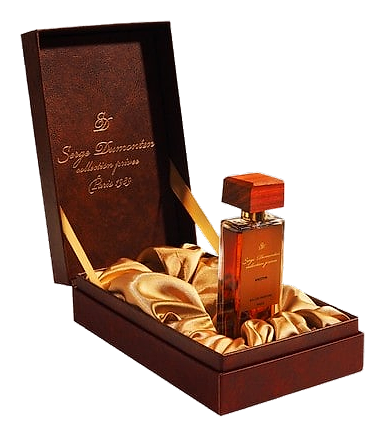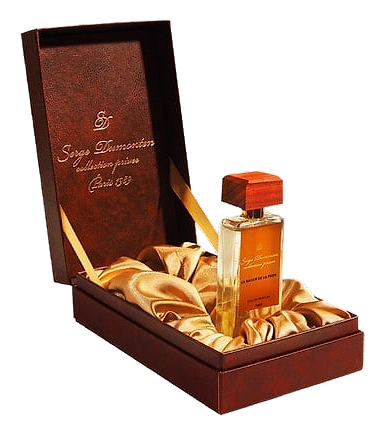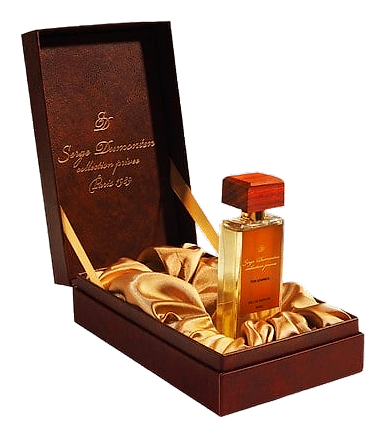

The Story
Why it exists.
The beginning
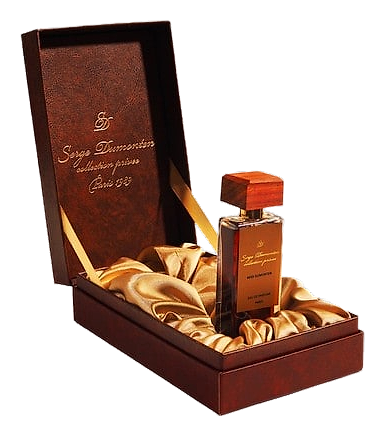
Ton Sommeil arrived in 1989 from Serge Dumonten, and the composition reads exactly like its mood suggests: drowsy, sunkissed, slightly unreal. The accord opens with a soft, almond-like sweetness that carries through the heart and never really lets go, lifting gently on green and herbal threads before settling into a warm, powdery base. Heliotrope and tuberose braid through the center, lending a creamy floral density that softens the almond's brighter edges into something almost narcotic. The drydown pulls you toward vanilla, tonka, and a quiet resinous hum, the kind of trail that lingers on a coat collar long after the wearer has left the room.
What makes Ton Sommeil structurally interesting is the collision of gourmand weight and floral lift. Caramel, honey, tonka bean, and dark chocolate anchor the composition in edible territory, the kind of notes that can easily flatten a fragrance into pure dessert. But tuberose and rose push back from above, and heliotrope adds a powdery, almond-tinged bridge that keeps everything from sliding into cloying sweetness. The cinnamon and amber give it warmth without forcing the temperature too high. It's a deliberate balancing act: rich enough to feel substantial, airy enough to wear past the first hour without becoming exhausting.
The evolution
The opening is a caramel-honey burst, almost confectionery, sticky and immediate. Almond appears within minutes, giving the sweetness a marzipan edge that softens the sugar into something more dimensional. Heliotrope rises next, powdery and slightly medicinal, lending the floral heart a blurred, vintage quality. Tuberose and rose come through quietly, never dominating, more like a memory of flowers than fresh-cut stems. Cinnamon warms the whole composition as the hours pass. By the third or fourth hour, the dark chocolate and tonka bean take over, the caramel receding into a warm amber skin-scent. The drydown is where Ton Sommeil earns its longevity, settling into a soft, nutty, amber-powder trail that lingers on clothes and hair well past the workday. Moderate sillage means it stays personal, close, the kind of scent someone catches leaning in rather than across a room.
Cultural impact
Ton Sommeil arrived in 1989, and its restraint reads as a deliberate choice rather than a limitation. Where many gourmand-leaning releases push sweetness to the foreground, this one lets heliotrope and tuberose keep that sweetness in check, dusting the almond and vanilla accords with a powdered floral haze that softens every edge. The result feels composed and unhurried, closer to a meditation than a statement. Wearers tend to reach for it in colder months, when the warm base notes and creamy florals feel less indulgent and more necessary, the kind of scent that earns its place in a rotation rather than chasing trends.
The House
Serge DumontenSerge Dumonten occupies a distinctive space in contemporary perfumery, presenting a collection of bold, narrative-driven fragrances that lean into theatricality and emotional resonance. The brand's portfolio spans from provocative names like Black Narcotique and Prince of Darkness to gentler expressions found in Mystic Rose and Wild Cherry (2023), suggesting a creator drawn to contrast and emotional extremes. The house offers both women's lines (Mademoiselle Dumonten, Miss Dumonten, 2015) andunisex work, maintaining a consistent thread of confident, statement-making fragrance design.
The Creator
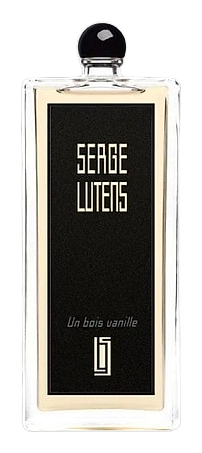
Serge DumontenLutens gravitates toward notes others avoid: immortelle's curry warmth, castoreum's animal皮, iris's cold metallic shimmer, rose's darkest petals. His style defies seasonal logic, favoring complexity that reveals itself slowly over the skin rather than announcing itself loudly.