Serge Dumonten
Serge Lutens entered this world in Lille, Northern France, in March 1942. His earliest memory, he has said, was separation from his mother at just weeks old, an absence that would echo through everything he created. At fourteen, he left school and walked into a hairdressing salon, beginning a career that would eventually span photography, filmmaking, hairstyling, and ultimately, perfume. Christian Dior discovered him working in a Paris salon in the 1960s, inviting him to style the hair and makeup for his collections. This opened doors to Shiseido in 1981, where Lutens reimagined the Japanese beauty house's visual identity and began his parallel journey into fragrance creation. His first perfume, Nombre Noir, arrived in 1982, housed in a bottle dressed in lustrous black on matte black. The fragrance itself proved controversial and was later discontinued, but it established his unconventional approach. From Shiseido's laboratories emerged his iconic Serge Lutens line, eventually becoming independent and housed at the Palais de Tokyo in Paris. He remains one of perfumery's rare polymaths, directing his own fragrance photography, crafting his瓶身 designs, and treating each launch as a complete artistic statement.
The hits
Notable creations
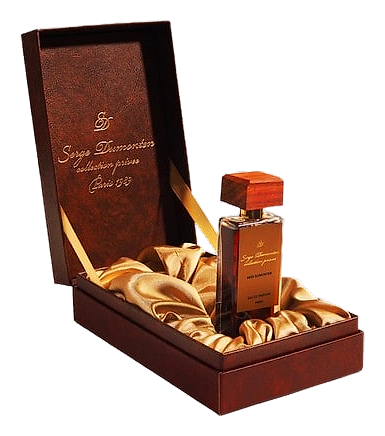
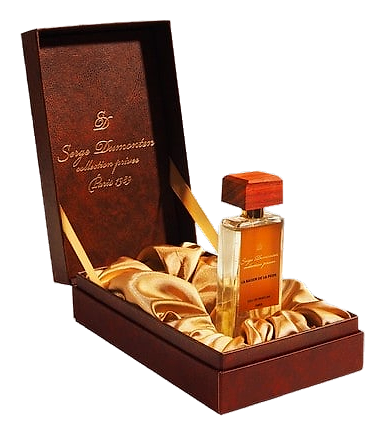
The signature
How Serge composes
Lutens gravitates toward notes others avoid: immortelle's curry warmth, castoreum's animal皮, iris's cold metallic shimmer, rose's darkest petals. His style defies seasonal logic, favoring complexity that reveals itself slowly over the skin rather than announcing itself loudly. He builds fragrances with architectural tension, often starting from a single unusual material and constructing around it. His use of woodsmoke, cumin, and incense became signature long before these became industry trends.aldehydes appear where least expected. The result is often described as gothic, baroque, or severe, but beneath the apparent darkness lies meticulous craftsmanship and an acute understanding of how scent triggers remembrance.
Philosophy
What drives Serge
Lutens approaches perfume as a painter approaches a canvas, layering meaning and sensation rather than simply combining notes. He resists the industry's tendency to soften and homogenize, insisting instead on fragrances that provoke thought and evoke memory. His work often carries an undertone of melancholy, informed by that early wound of separation. He believes perfume should unsettle as much as seduce, that it should tell the truth about desire rather than flatter it. Beauty, for Lutens, exists in opposition and contrast, in the shadow as much as the light. He creates for a wearer who understands that fragrance is not decoration but declaration.
The houses
Maisons Serge composes for
In the same league